



The Universe's Ultimate Speed Limit
Everything you see is thanks to light. But light, while incredibly fast, has a finite speed. It travels through the vacuum of space at approximately 2,99,792 kilometres per second. This is the universe's ultimate speed limit; nothing can travel faster.
While this seems instantaneous in our everyday lives—when you flip a switch, the room lights up immediately—it's a different story when we talk about the vast distances of space. To measure these cosmic scales, astronomers use a unit called a 'light-year'. A light-year isn't a measure of time, but of distance: it's the distance light travels in one year, which is about 9.5 trillion kilometres. Thinking in light-years helps us grasp the sheer scale of the cosmos and the time it takes for information to cross it.
A Postcard From the Past
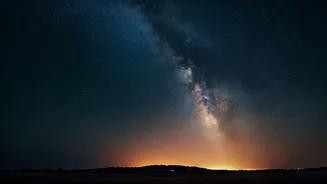
Imagine starlight as a postcard sent from a distant place. The postcard has a message—'I was shining brightly on this date'—but it takes time to arrive in your mailbox. When you finally read it, you're learning about an event that has already happened. Starlight works the same way. The light we see from a star that is 100 light-years away actually left that star 100 years ago. For all we know, that star could have changed dramatically or even exploded in a supernova 50 years ago, but we wouldn't find out for another 50 years. Every single point of light in the night sky, except for planets reflecting our sun's light, is an image from the past.
Our Cosmic Neighbourhood: Minutes and Years
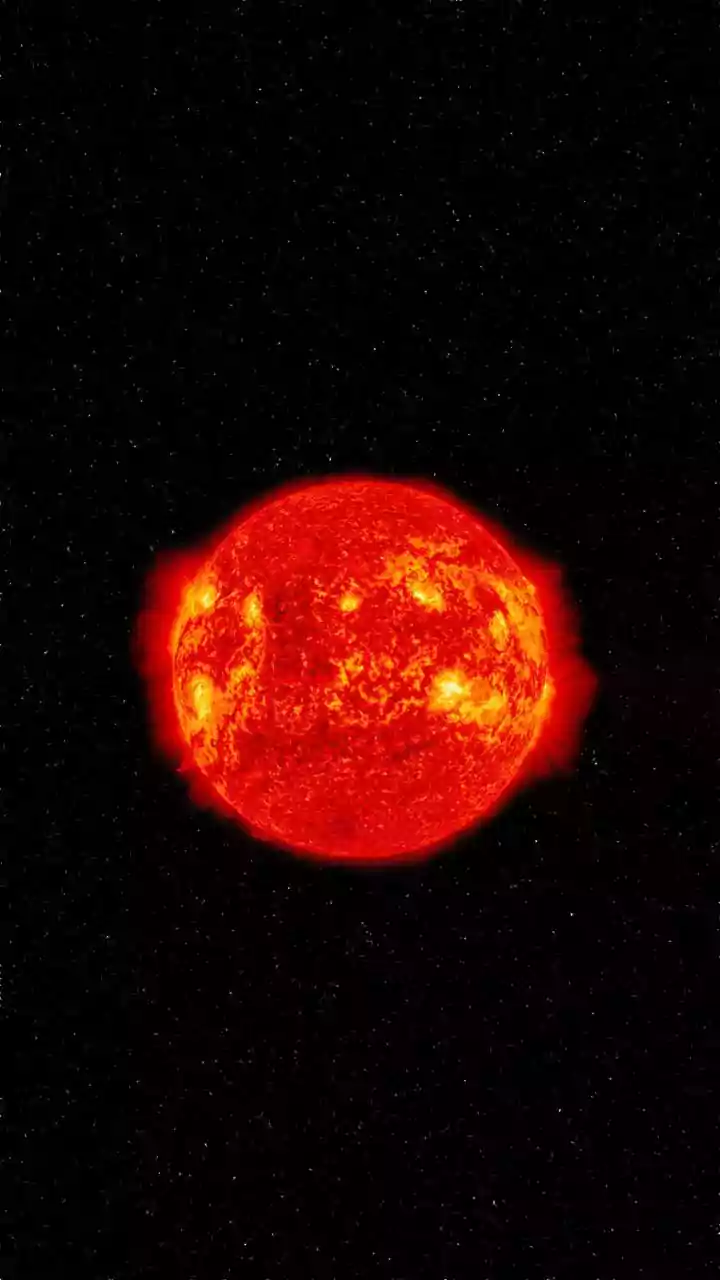
This time-delay effect happens even with objects in our own solar system. The light from our own Sun, the star at the centre of our lives, takes about 8 minutes and 20 seconds to reach Earth. So, if the Sun were to suddenly vanish, we would continue to see it shining in the sky for over eight minutes. The next nearest star to us, Proxima Centauri, is about 4.24 light-years away. The light we see from it tonight left during the term of India's previous government. Sirius, the brightest star in our night sky, is about 8.6 light-years away. Its light is a snapshot from more than eight years ago. These are our closest stellar neighbours, yet their light is still years old by the time it gets to us.
Starlight From Centuries Ago
The headline's mention of 'centuries' is where things get truly fascinating. Many of the famous stars that make up familiar constellations are hundreds of light-years away. Take Polaris, the North Star. It's approximately 433 light-years from Earth. The light we see from Polaris today started its journey around the year 1591, a time when the Mughal emperor Akbar reigned over much of India. The star Betelgeuse in the Orion constellation is about 640 light-years away; its light is from the 14th century. When we look at these stars, we are witnessing light that is older than the Taj Mahal, a true message in a bottle from a bygone era.
Peering into Deep Time
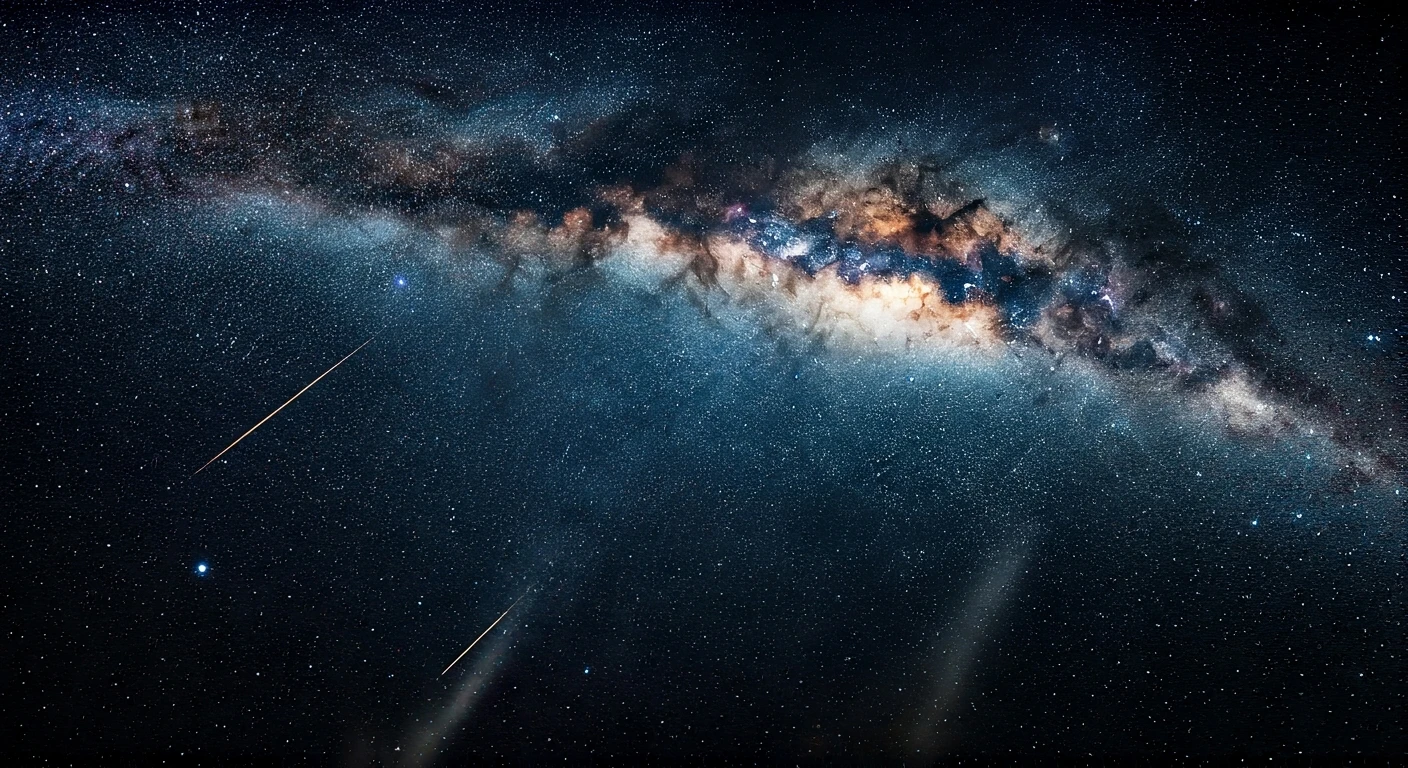
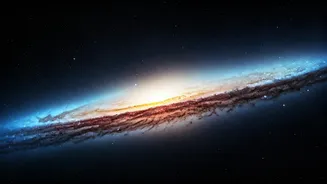
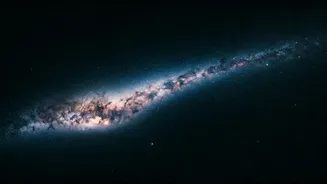
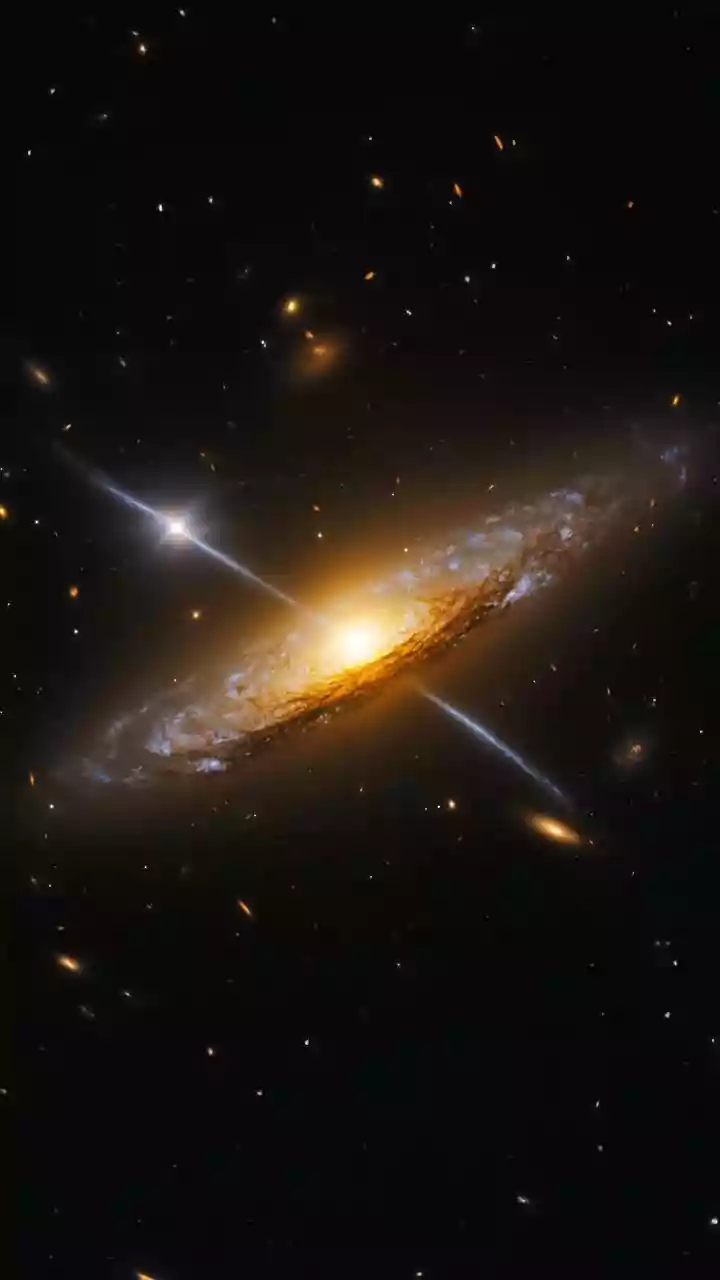
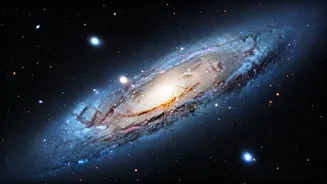
This effect becomes even more profound when we look beyond our own galaxy. The Andromeda Galaxy is the nearest major galaxy to our Milky Way. It is a staggering 2.5 million light-years away. The faint, fuzzy patch of light you might see from a dark location is light that left Andromeda 2.5 million years ago, long before modern humans existed. Telescopes like the Hubble and the James Webb Space Telescope are designed to capture light from even more distant galaxies—some of which are over 13 billion light-years away. This allows astronomers to see what the universe looked like in its infancy, just a few hundred million years after the Big Bang. In this sense, astronomy is a form of archaeology, digging through layers of time using light.