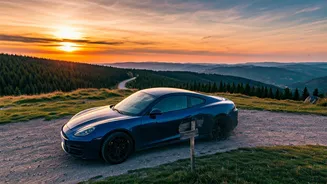




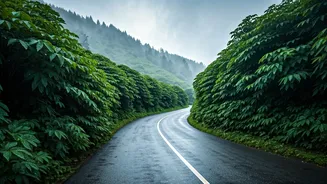




The Rise of the Micro-Cation
The traditional concept of a long, meticulously planned annual vacation is being replaced by a more spontaneous and frequent alternative: the micro-cation. While the idea of a trip 'every single month' might be an ideal for many, the underlying trend
is very real. India's Gen Z (those born between 1997 and 2012) are championing this new way of travel. Instead of one two-week break, they are opting for multiple two- or three-day getaways throughout the year. This isn't just about seeing new places; it's a fundamental shift in how they approach work-life balance and mental wellbeing. These short bursts of travel serve as regular resets, breaking the monotony of academic or professional life without requiring significant time off or a massive budget.
Experiences Over Everything
What fuels this desire for constant movement? For Gen Z, the currency of a good life is measured in experiences, not possessions. This generation came of age amidst economic uncertainty and a global pandemic, leading to a strong 'You Only Live Once' (YOLO) mindset. They prioritise collecting memories over collecting things. A short road trip to a nearby hill station or a hidden beach offers an immediate, tangible experience that a savings goal for a future luxury item cannot. This philosophy is also a reaction against the 'hustle culture' glorified by the generation before them. Instead of endless grinding, Gen Z seeks sustainable-release valves to prevent burnout, and these frequent, short trips are the perfect prescription.
The Digital Age of Spontaneity
Technology is the great enabler of this trend. Spontaneous travel planning is no longer a logistical nightmare. With a few taps on a smartphone, one can book a budget-friendly stay on OYO or a bunk bed at a Zostel, find a scenic route on Google Maps, and split the fuel cost with friends via UPI. Social media also plays a dual role. Platforms like Instagram and TikTok are not just for posting envy-inducing photos; they are powerful discovery engines. A 15-second Reel of a cascading waterfall just a few hours from the city can spark an entire weekend plan. This digital ecosystem fosters a culture of immediacy, making the journey from 'what if' to 'let's go' shorter than ever.
How They Make It Affordable
The obvious question is: how can a generation often stereotyped as being financially strained afford such frequent travel? The answer lies in smart, strategic budgeting. These aren't luxurious holidays. The focus is on accessibility and shared costs. Carpooling is the norm, instantly dividing the largest transport expense. Accommodation choices lean heavily towards hostels, homestays, and budget hotels over five-star resorts. Food choices often involve exploring local dhabas and street food rather than fine dining. Furthermore, the rise of remote work and flexible schedules allows some to combine work with travel, creating 'workations' where they can log in from a cafe in the mountains, effectively eliminating the need to take leave.
The Weekend Escape Route
Across India, a well-trodden map of Gen Z getaways is emerging. For those in Mumbai and Pune, the winding roads to Lonavala, Khandala, or the coastal town of Alibag are weekend staples. Delhiites frequently escape the city's hustle for the hills of Rishikesh and Kasauli or the heritage forts of Neemrana. In the south, Bangalore's young crowd finds its refuge in the coffee plantations of Coorg, the serene hills of Chikmagalur, or the rock-climbing haven of Hampi. These destinations are popular for a reason: they are typically within a 4-6 hour drive, offering a complete change of scenery without the hassle and expense of flights, making them perfect for a quick Friday-to-Sunday reset.