




Meet the Desk-Friendly Duo
In the world of office greenery, few plants are as forgiving or as popular as the Snake Plant (Dracaena trifasciata) and the Pothos (Epipremnum aureum). Both have earned a reputation for being nearly indestructible, making them perfect companions for the forgetful
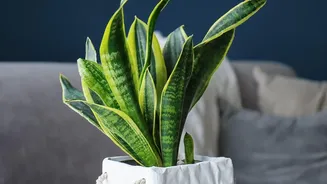
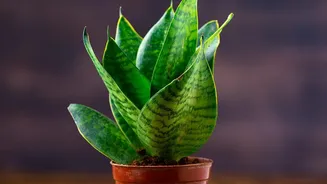
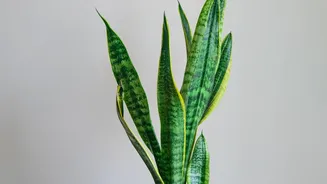
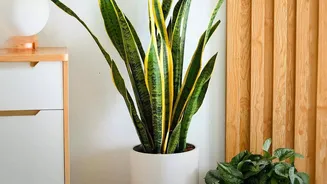
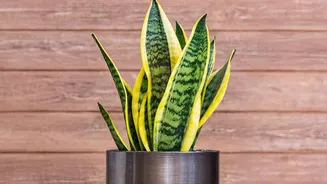
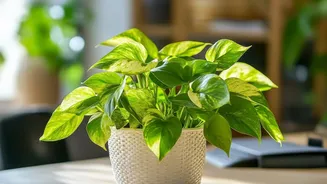
waterer or the desk situated far from a sunny window. The Snake Plant, with its stiff, upright, sword-like leaves, offers a modern, architectural look. Often called mother-in-law's tongue, it grows slowly and is content in a small pot for years, making it an excellent, non-intrusive desk mate. The Pothos, by contrast, is a cheerful trailing vine with heart-shaped leaves. It's a fast grower that looks wonderful spilling from a shelf or hanging basket, adding a dynamic, lush feel to a workspace. Its tendency to visibly droop when thirsty is a helpful, dramatic reminder that it needs a drink.
The Low-Maintenance Promise
What does 'low maintenance' truly mean? For these two plants, it's a license to thrive on a bit of neglect. The Snake Plant is a succulent, meaning it stores water in its leaves and is extremely drought-tolerant. You should only water it when the soil is completely dry, which might be as infrequently as once every few weeks or even once a month, depending on your office environment. It is far more likely to suffer from overwatering than underwatering. Pothos is also forgiving but may require slightly more frequent watering. Both plants are adaptable to various light conditions, from low, indirect light to brighter spots. While they can survive in the low light typical of many offices, even under fluorescent tubes, they will grow faster and show more vibrant colour with a bit more natural light. In very low light, a Pothos might lose some of its variegation, but it will soldier on.
The Air-Purifying Question
A major part of the appeal for both plants is their reputation as air purifiers. This is largely based on a 1989 NASA Clean Air Study, which found that certain houseplants could remove common volatile organic compounds (VOCs) like formaldehyde, benzene, and trichloroethylene from the air. Both Snake Plants and Pothos were included in this research. The Snake Plant is particularly noted for its ability to release oxygen at night. However, it's important to have realistic expectations. The NASA study was conducted in a small, sealed chamber—a very different environment from a typical, ventilated office or home. While the plants do filter toxins, you would need a large number of them to significantly impact the air quality of an entire room. Think of the air purification as a small bonus rather than the primary benefit. The bigger wellness boost likely comes from the stress reduction and improved focus associated with having greenery in your workspace.
Which One Is Right for You?
Choosing between a Snake Plant and a Pothos often comes down to aesthetics and space. If you want a plant with a strong, vertical presence that takes up very little desk footprint, the Snake Plant is an unbeatable choice. Its slow growth means it won't outgrow its designated spot quickly. If you have a shelf to decorate or want a plant that brings a sense of lush, trailing life, the Pothos is perfect. Its faster growth can be very rewarding to watch. Some find Pothos slightly easier to care for since it's a quick grower that can recover well from neglect, while the slower-growing Snake Plant is more susceptible to root rot if overwatered. Both plants are considered toxic to pets if ingested, which is something to consider if your office is pet-friendly.