






The Old Way: A Test of Patience
Anyone who has traveled on Indian Railways is familiar with the routine. Booking a ticket meant navigating a website, and travel meant carrying a printout or a downloaded file, plus a government-issued ID card. For ticket checkers, verifying each passenger
was a manual process. This system, while functional, was prone to long queues at counters, the risk of losing physical documents, and the frustrating experience of dealing with fraudulent bookings by touts, especially for high-demand Tatkal tickets. For young, digitally-native travelers, who manage everything from payments to social lives on their phones, this analogue process often felt outdated and inefficient.
Enter the Digital Framework
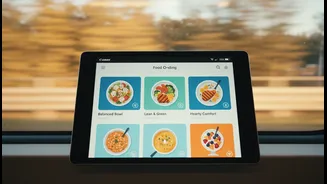
Indian Railways has been rolling out a series of digital upgrades that, taken together, form a new verification framework. This isn't one single app but a collection of interconnected initiatives designed to modernize the travel experience. Key components include the official acceptance of digital IDs like mAadhaar, the launch of 'super-apps' like RailOne and SwaRail that combine all services, and stricter Aadhaar-based verification for booking tickets, particularly during peak windows. These platforms aim to create a single, secure digital touchpoint for everything from booking and verification to ordering food and lodging complaints.
The Convenience of Your Smartphone
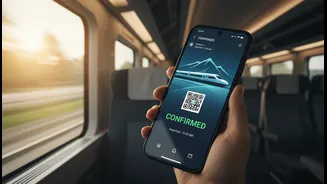
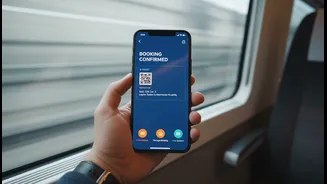
For young travelers, the most celebrated benefit is convenience. The new system means your phone is your ticket and your ID. Instead of fumbling for papers, you can show your ticket on an official app like IRCTC Rail Connect or RailOne. The acceptance of mAadhaar, which can be verified via a QR code scan even when offline, eliminates the need to carry a physical Aadhaar card. Furthermore, new super-apps consolidate services that were previously scattered across multiple platforms. Users can now book reserved and unreserved tickets, check PNR status, and track their train all within one application, often using a single login with biometric options for security.
Tackling Touts and Ensuring Fairness
A major policy win, especially for those scrambling for last-minute tickets, is the crackdown on misuse of the system. By making Aadhaar-based OTP verification mandatory for Tatkal bookings and for new users during initial booking periods, Railways has made it much harder for touts and bots to hoard tickets. This has reportedly increased the availability of confirmed Tatkal tickets for genuine passengers. While it adds an extra step for users, the younger demographic, accustomed to KYC norms for digital services, largely sees this as a necessary measure for a fairer, more transparent system.
A Glimpse into a Digital Future
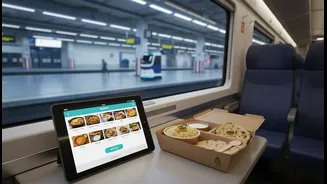
This digital framework extends beyond just ticketing. QR codes are now being used on food packets to ensure traceability and hygiene, allowing passengers to verify where and when their meal was prepared. Staff and authorised vendors are also being issued QR-enabled ID cards to prevent unauthorised selling on trains. While still in early stages, there are also plans for facial recognition technology to enhance security at stations. These initiatives signal a broader vision for a tech-driven, passenger-focused railway network. For young Indians, this move isn't just about convenience; it's a sign that one of the country's oldest institutions is finally speaking their digital language.