



The perfect nature photograph often promises pristine wilderness and quiet contemplation. But as viral social media posts turn remote destinations into crowded hotspots, that ideal is becoming harder to find, a trend now reaching Finnish Lapland.
The Price of Popularity
Finnish
Lapland, once a remote wonderland, is now grappling with the challenges of 'overtourism'. Rovaniemi, the self-proclaimed ‘official hometown of Santa Claus’, now welcomes record numbers of visitors, with tourism growing so rapidly that some locals and officials feel it's no longer under control. The city is reportedly operating at full capacity, with new flight routes opening and development expanding into formerly green areas to accommodate the influx. This phenomenon, often dubbed the 'Instagram effect', is not unique to Finland. Across the globe, social media has the power to turn stunning, secluded natural wonders into 'selfie traps', where an overwhelming number of visitors can degrade the environment and disrupt the very tranquility they came to see. For a nature photographer, arriving at a bucket-list location only to find a queue is a creative and professional frustration.
The Search for an Authentic Shot
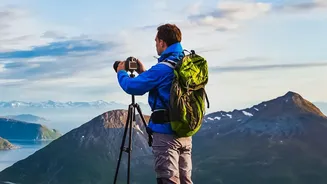
The move away from crowded locations is about more than just avoiding people in the frame. For many serious photographers, the goal is to capture something unique and authentic, a perspective that hasn't been shared thousands of times online. In a saturated market, originality is key. Crowded spots often lead to photographers capturing the same iconic compositions from the same vantage points. In contrast, quieter parks offer the freedom to explore and find new angles without pressure. Furthermore, solitude provides tangible benefits. Photographers in less-visited areas don't have to contend with convoys of vehicles at wildlife sightings, allowing them the time and peace to compose their shots and witness undisturbed animal behaviour. This patient, respectful approach not only results in more authentic images but also fosters a deeper connection with the natural world, which is often the primary motivation for being there in the first place.
Europe's Hidden Photographic Gems
While Finland's popular spots deal with congestion, the rest of Europe holds countless alternatives for those willing to venture off the beaten path. These parks offer dramatic landscapes and rich biodiversity without the crowds. In Slovenia, Triglav National Park provides a tranquil alpine expanse of glacial lakes and rolling hills, a peaceful alternative to the more famous Alps. Romania’s Retezat National Park, one of the country's first, has largely resisted overdevelopment, offering a genuine wilderness experience with its dramatic granite peaks and over 80 glacial lakes. For a different kind of quiet, Šumava National Park in Czechia, known as the 'green roof of Europe', is a vast forested region of ancient peat bogs and serene trails where one might spot a Eurasian lynx. In Austria, the densely forested Kalkalpen National Park remains relatively unknown despite its striking beauty, offering photographers a true sense of discovery.
A World of Quiet
This trend extends far beyond Europe, as photographers globally seek out the road less travelled. North America is home to many vast national parks that remain overlooked in favour of icons like Yellowstone and Zion. Theodore Roosevelt National Park in North Dakota, for instance, offers stunning badlands scenery and plentiful wildlife, including bison and wild horses, with far fewer visitors. In southern Texas, the sheer isolation of Big Bend National Park is what preserves its tranquility. Its rugged landscape combines mountains, canyons, and desert, creating a diverse ecosystem for both landscape and wildlife photography. Similarly, Alaska's Glacier Bay National Park offers a striking mix of marine and land animals, from whales and puffins to bears and wolverines, providing a less-crowded alternative to the state's more famous Denali National Park.
Shoot, Post, and Protect
The quest for quiet spots has created a new ethical dilemma for the modern photographer. The very act of capturing and sharing a beautiful, untouched location on social media can inadvertently trigger the next wave of overtourism that ruins it. The use of geotags can lead followers directly to sensitive habitats, disturbing wildlife and damaging fragile ecosystems. This has led to a growing movement within the photography community to promote more responsible practices. Many experienced photographers now deliberately avoid sharing the precise locations of their most unique finds. The emerging consensus is that a photographer's responsibility extends beyond simply taking a picture. It now includes protecting the subject, whether that means keeping a respectful distance from wildlife, staying on marked trails, or being thoughtful about what information is shared online. The goal is to ensure these quiet places remain for others to discover, not just to consume.