





Embrace the Power of Probiotics
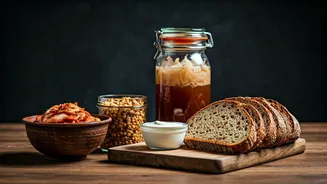
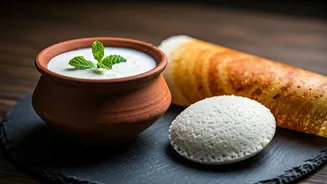
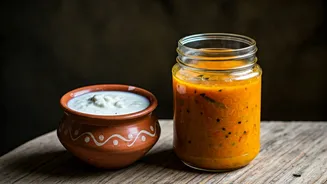
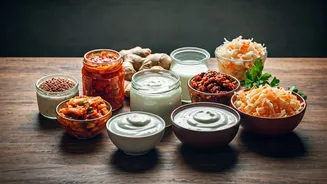
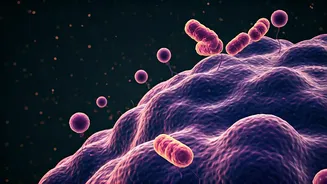
Probiotics are beneficial live bacteria that support a healthy gut microbiome, and the Indian kitchen is a natural source. The most common is dahi (curd), a staple in countless households. A bowl of homemade curd is packed with billions of beneficial bacteria like
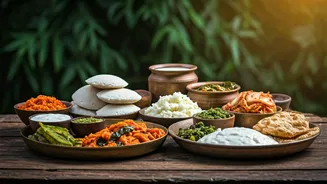
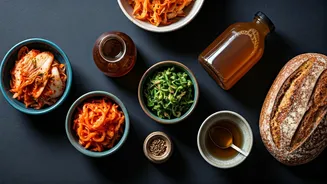
Lactobacillus. These probiotics help improve digestion, reduce bloating, and strengthen the gut lining. Beyond dahi, buttermilk (chaas) is a lighter but equally potent digestive aid, especially when seasoned with cumin and mint. Fermented foods like idli, dosa, and dhokla batter also contribute to a healthy gut. The fermentation process not only introduces probiotics but also pre-digests nutrients, making them easier for your body to absorb.
Make Fibre Your Best Friend
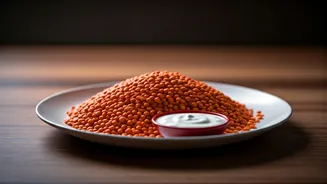
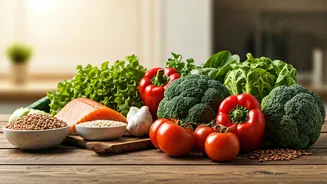
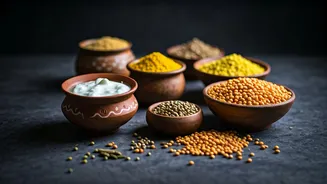
Prebiotics are types of fibre that feed the good bacteria in your gut, and Indian meals are rich with them. Lentils and pulses (dals, chana, rajma) are fundamental to this. They are loaded with soluble fibre and resistant starch, which nourish the microbes that produce anti-inflammatory compounds. Millets such as ragi, jowar, and bajra are other fibre powerhouses. Their insoluble fibre promotes regular bowel movements and acts as a prebiotic, helping beneficial bacteria like Bifidobacteria and Lactobacillus to thrive. Even something as simple as cooked and cooled rice, used in dishes like curd rice, develops resistant starch that your gut microbes love.
Spice Up Your Digestive Health
Indian spices are more than just flavour agents; many have medicinal properties that benefit the gut. Turmeric (haldi) contains curcumin, a powerful compound known to reduce gut inflammation. Ginger (adrak) is a well-known remedy for nausea and indigestion, as it helps the stomach empty faster and can soothe discomfort. Cumin (jeera) aids digestion and has antimicrobial properties that can help keep harmful gut bacteria in check. Other staples like fenugreek (methi) and ajwain (carom seeds) have also been traditionally used to ease gas and bloating, making the spice box a true gut health toolkit.
Don't Forget Onions and Garlic
Often the starting point of many Indian dishes, onions and garlic are potent prebiotics. They are rich in inulin and fructooligosaccharides (FOS), which act as fuel for beneficial gut bacteria, particularly Lactobacillus and Bifidobacteria. By regularly including these aromatics in your tadkas, sabzis, and curries, you are consistently feeding the good microbes that are essential for maintaining a balanced and resilient gut ecosystem. Their role goes beyond flavour, forming the foundation of a diet that actively supports digestive wellness from the very first step of cooking.
How to Put It All Together
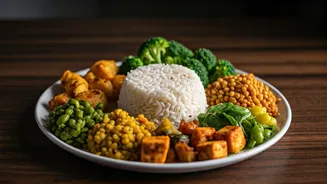
Creating a gut-friendly meal is about smart combinations. A simple dal, a seasonal vegetable sabzi cooked with turmeric and ginger, a side of dahi, and a portion of millet-based roti or brown rice creates a plate that is balanced with probiotics and prebiotics. A moong dal khichdi is another classic comfort food that is incredibly easy to digest and soothing for the gut. Starting your day with a fermented food like idli or ending it with a glass of chaas can easily incorporate these principles into your daily routine. The key is consistency and variety, ensuring your gut microbiome is well-fed and diverse.