
The Gentle Art of the Slow Steep
At its heart, slow steeping—often called cold brewing—is exactly what it sounds like. Instead of shocking tea leaves with hot water and then rapidly cooling the liquid, this method involves immersing tea leaves and other ingredients in cold water and letting
them infuse slowly in the refrigerator. The process is a testament to patience, typically taking anywhere from 8 to 12 hours. While hot water brewing is a rapid, sometimes aggressive extraction, cold water works more gently. It coaxes out the flavour compounds over a long period, fundamentally changing the chemical profile of the final drink. This isn't about speed; it's about unlocking a deeper, more refined expression of the ingredients without the harshness that heat can sometimes introduce.
A Symphony of Natural Botanicals
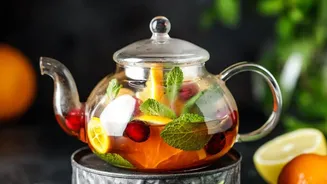
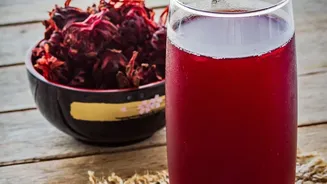
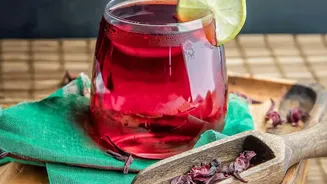
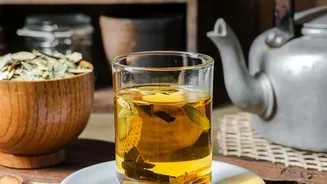
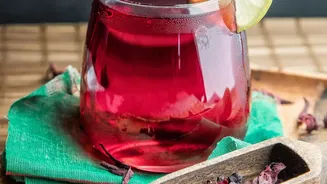
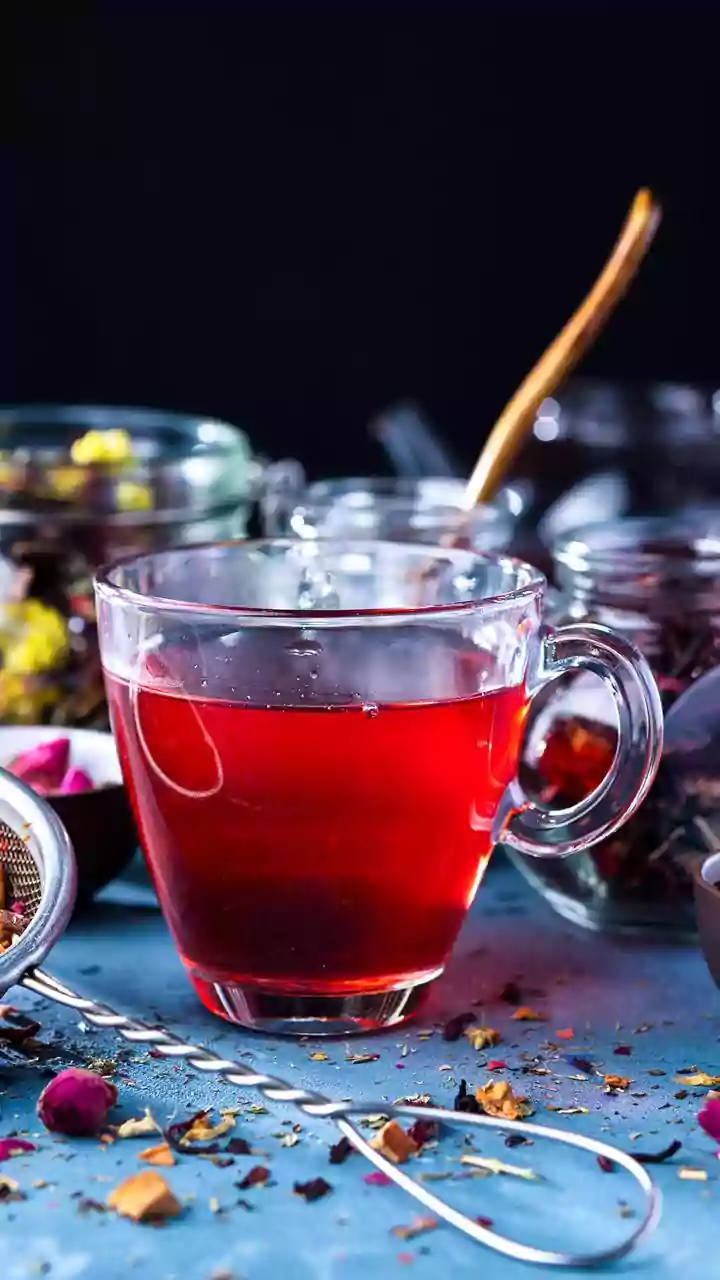
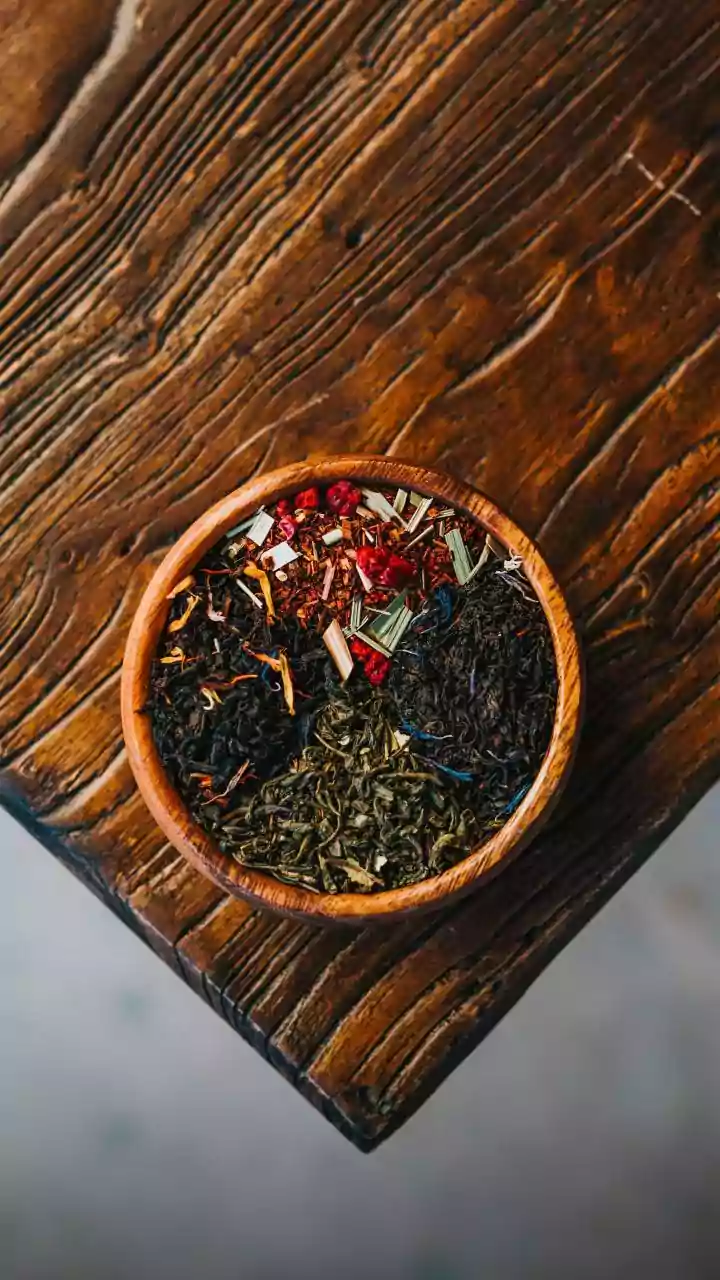
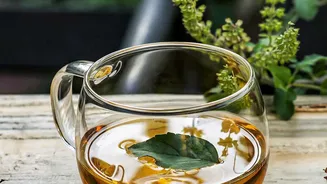
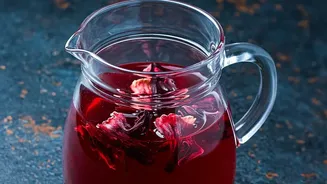
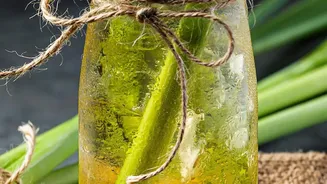
The term "botanicals" simply refers to ingredients derived from plants, and in slow-steeped teas, they play a starring role. Beyond traditional tea leaves, brewers are using a fragrant palette of herbs, flowers, fruits, and spices. Think combinations like hibiscus with rose petals, green tea with fresh mint and cucumber, or black tea infused with citrus peels and ginger. The gentle nature of cold brewing is particularly kind to these delicate additions. Volatile aromatic oils, which give ingredients like lavender, lemon, and mint their characteristic scents, can easily evaporate in hot water. Cold steeping helps to capture and preserve these delicate aromas, resulting in a drink that is not just flavourful but also incredibly fragrant. This method allows the subtle nuances of each botanical to shine through, creating a layered and complex beverage.
The Contrast: What’s in Artificial Syrups?
The alternative, and still the most common way to get a flavoured iced tea quickly, is through a pump of syrup. Found in many cafes and fast-food chains, these syrups offer convenience but often at a cost to flavour and quality. The ingredient list for many commercial tea syrups is typically headed by high-fructose corn syrup or pure cane sugar. Following the sugar are often water, citric acid for tartness, preservatives like sodium benzoate to extend shelf life, and a mix of "natural and artificial flavors." While these syrups deliver a consistent and intensely sweet product, that sweetness can be one-dimensional. It tends to mask the actual flavour of the tea rather than complement it, creating a sugary drink with a hint of tea flavour, rather than a tea enhanced with sweetness.
A Smoother, More Nuanced Flavour
So why go to all the trouble of waiting hours for a cup of tea? The primary reason is taste. The aggressive heat of hot water brewing extracts tannins from tea leaves very quickly. Tannins are the polyphenols responsible for the bitter, astringent, or dry sensation you might feel in your mouth from an over-steeped cup of hot tea. Because tannins are less soluble in cold water, a slow-steeped tea has significantly fewer of them. The result is a drink that is remarkably smooth, naturally sweeter, and less bitter, often eliminating the need for any added sugar at all. This process also tends to extract slightly less caffeine compared to a hot brew, offering a gentler energy boost. The final product is a clean, vibrant tea that showcases the true character of its leaves and botanicals.