

The Gut-Brain Superhighway
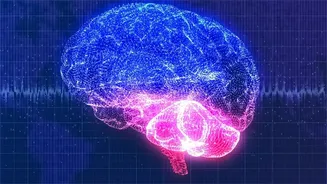
You may have heard of the 'gut-brain axis', a term scientists use to describe the two-way communication network between your digestive system and your brain. This connection is facilitated by millions of nerve cells and the trillions of bacteria living
in your gut, known as the gut microbiome. These tiny organisms play a massive role in your overall well-being. They help produce key mood-regulating neurotransmitters, including about 90% of the body's serotonin, often called the 'feel-good' chemical. When your gut bacteria are balanced and thriving, they support emotional stability and cognitive functions like focus and memory. An imbalance, however, can contribute to brain fog, difficulty concentrating, and mood swings.
The Probiotic Power of Fermentation
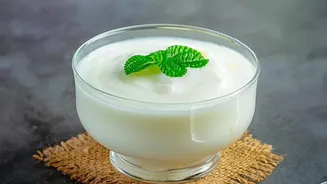
So, how do you keep your gut microbiome happy? The answer lies in probiotics—live, beneficial bacteria that help maintain a healthy balance in your digestive tract. While you can take supplements, one of the best sources of probiotics is fermented food. For centuries, Indian cuisine has harnessed the power of fermentation, not just to preserve food but to enhance its nutritional value and digestibility. This traditional wisdom is now being validated by modern science, which shows that incorporating fermented foods into your diet is an effective way to support gut health, boost immunity, and even influence mental well-being.
Your Breakfast for a Better Brain
South Indian staples like idli and dosa are prime examples of gut-friendly superfoods. Made from a batter of rice and urad dal that is left to ferment overnight, these dishes are teeming with naturally occurring probiotics. The fermentation process not only creates their signature fluffy texture and tangy flavour but also pre-digests the carbohydrates and proteins, making them incredibly easy on your digestive system. Starting your day with a plate of soft idlis or a crisp dosa provides your gut with a healthy dose of beneficial bacteria, setting the stage for better digestion, nutrient absorption, and sustained focus throughout the morning.
The Snack That Supports Serotonin
From Gujarat, the savoury, spongy snack known as dhokla is another fermented powerhouse. Traditionally made from a fermented batter of gram flour (besan) or rice and chickpeas, dhokla is steamed, not fried, making it a light and healthy option. The fermentation enhances the bioavailability of nutrients and populates the batter with probiotics. It's important to seek out traditionally prepared dhokla, as instant versions made with leavening agents like baking soda won't provide the same probiotic benefits. As a protein-rich and easily digestible snack, it can help stabilise energy levels and support the gut functions that contribute to a positive mood.
Drink Your Way to a Good Mood
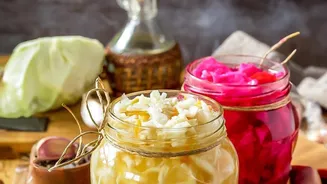
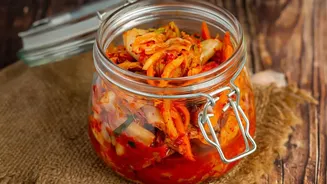
Beyond solid foods, traditional Indian beverages offer potent probiotic benefits. Kanji, a tangy North Indian drink, is a perfect example. Typically made by fermenting black carrots or beetroot with water, salt, and mustard seeds, Kanji is a seasonal tonic packed with antioxidants and beneficial bacteria that aid digestion and help cleanse the gut. Similarly, homemade pickles (achaar), when prepared through natural fermentation rather than with vinegar, can be a great source of probiotics. Including a small portion of these fermented foods in your daily diet introduces microbial diversity, which is key to a robust and resilient gut microbiome.