


The Monsoon's Enduring Legacy
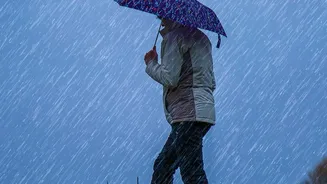
The Southwest Monsoon, which drenches the subcontinent from June to September, does more than just water the crops; it sets the stage for the entire winter tourism season. The performance of the monsoon—whether it was heavy, average, or weak—has a direct
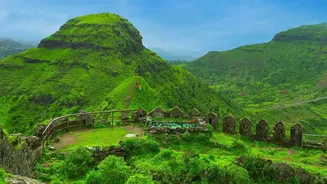
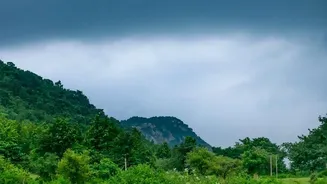
and lingering impact on everything from the scenery you’ll enjoy to the feasibility of your itinerary. A strong monsoon can replenish lakes and bless the land with lush greenery that lasts well into winter. However, extremely heavy rains can also damage infrastructure, particularly roads in fragile mountainous regions, with consequences that are still felt months later.
Himalayan Heights and Winter Snow
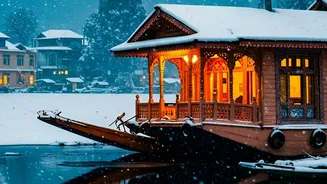
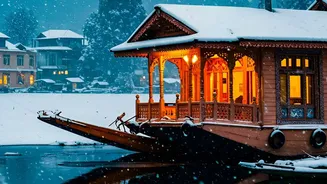
For those dreaming of a white winter in the Himalayas, the monsoon is a key predictor. A vigorous and prolonged monsoon season often correlates with a colder, wetter weather pattern that can lead to earlier and heavier snowfall in high-altitude destinations like Himachal Pradesh, Uttarakhand, and Kashmir. This is fantastic news for skiing enthusiasts heading to places like Gulmarg or Auli. On the other hand, it can also mean a higher risk of road closures on crucial mountain passes. Heavy rains saturate the soil, increasing the chances of landslides even before the snow arrives, and early snow can make access to remote valleys challenging. Travellers planning a Himalayan winter trip should build buffer days into their itineraries and stay updated on local road conditions, as routes can become impassable.
Desert States in Full Bloom
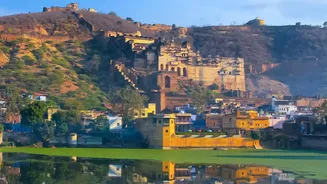
Contrary to its arid image, Rajasthan transforms dramatically after a good monsoon, and the effects are still visible in winter. Moderate to heavy rains fill the state’s famous lakes, particularly in Udaipur, creating the picture-perfect reflections the city is known for. The Aravalli Hills, often dry and brown, take on a surprising green hue that persists into the cooler months. A healthy monsoon means the landscapes you travel through will be more vibrant, from blooming mustard fields to fuller water bodies that attract migratory birds. For photographers and nature lovers, a post-monsoon winter trip to Rajasthan can offer a visual richness that a dry year simply cannot match.
Southern Waterways and Waterfalls
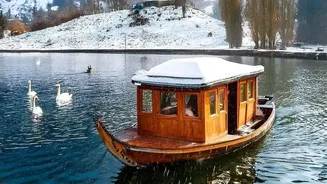
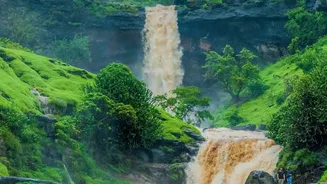
In the south, the monsoon's influence is all about water. A strong rainy season is essential for the health of Kerala’s backwaters. It recharges the network of canals and lakes, ensuring water levels are high enough for an idyllic houseboat cruise through Alleppey or Kumarakom. A weak monsoon can mean lower water levels and a less immersive experience. Further, the spectacular waterfalls of the Western Ghats, such as Jog Falls in Karnataka or Dudhsagar in Goa, depend on monsoon runoff to maintain their grandeur into the winter. A visit between October and December, following a robust monsoon, is often the best time to see these cascades in their full, thundering glory before they diminish in the drier months ahead.
Planning for the Unpredictable
While the monsoon gives us strong clues, it’s not a perfect crystal ball. Infrastructure damage is a real concern after a season of particularly intense rainfall. Roads in mountainous regions are the most vulnerable, with risks of landslides and washouts that can take weeks or months to repair. Before finalizing bookings, especially for remote or high-altitude destinations, it is wise to check for recent reports on road accessibility and local conditions. Flexibility is your greatest asset. An awareness of the monsoon's recent behaviour allows you to choose your destination wisely, anticipate potential challenges, and ultimately have a more prepared and rewarding winter holiday.