



The Cat-Cow stretch is a foundational yoga movement known for its gentle ability to awaken the spine. For beginners, however, even this simple pose can feel awkward. This guide offers easy modifications to help you find comfort and confidence.
Understanding the Classic Cat-Cow
Cat-Cow,
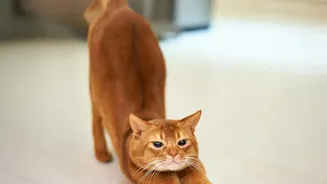
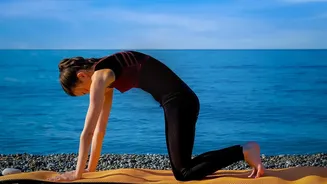
or Marjaryasana-Bitilasana, is not one pose but a gentle, flowing sequence of two. It begins in a tabletop position on your hands and knees. On an inhale, you drop your belly, lift your chest, and look forward into Cow Pose (Bitilasana). On an exhale, you round your spine toward the ceiling, tuck your chin, and press the floor away in Cat Pose (Marjaryasana). This fluid motion, synchronized with your breath, is often used at the beginning of a yoga class to warm up the body and connect breath to movement.
The Core Benefits of the Movement
Practicing Cat-Cow regularly offers significant benefits, especially for those who spend long hours sitting. The primary advantage is improved spinal flexibility and mobility, which helps reduce stiffness and can improve posture over time. The gentle movement also activates and strengthens core muscles in your belly and lower back. Furthermore, it can relieve tension in the back, neck, and shoulders, while the mindful connection of movement and breath helps calm the mind and reduce stress. Some also find it aids digestion by gently massaging the abdominal organs.
Setting Up Your Foundation Correctly
Proper alignment is key to a safe practice. Start on your hands and knees in a 'tabletop' position. Your wrists should be directly under your shoulders and your knees directly under your hips, about hip-width apart. Spread your fingers wide to distribute your weight evenly and avoid putting too much pressure on the heel of your hand. Keep your elbows soft with a slight bend, and let your gaze fall to the floor just ahead of your hands to maintain a long, neutral neck.
Modification for Sensitive Knees
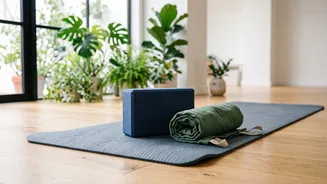
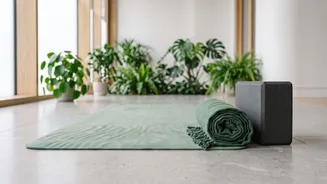
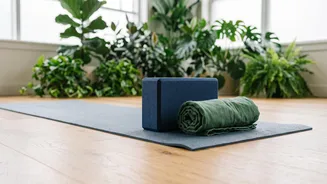
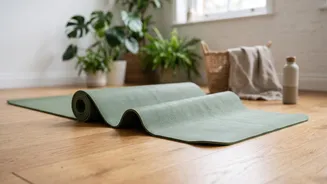
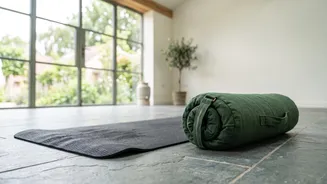
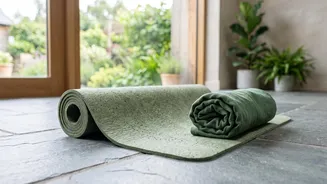
One of the most common complaints for beginners in this pose is knee discomfort. The solution is simple: add cushioning. Placing a folded blanket, towel, or a double-folded yoga mat under your knees can provide immediate relief and allow you to focus on the spinal movement without pain. Make sure the support is firm enough to be effective but soft enough to be comfortable throughout the duration of the pose.
Modifications for Wrist Pain
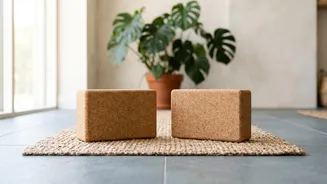
Weight-bearing on the hands can be challenging for those with wrist sensitivity. To alleviate this, you have several options. First, you can make fists with your hands and rest on your knuckles, which keeps the wrists straight and neutral. Another effective modification is to place yoga blocks under your hands, which can reduce the sharp angle of extension in the wrists. For a completely wrist-free alternative, you can come down onto your forearms, placing your elbows directly under your shoulders, and perform the same spinal movements.
The Seated Chair Variation
For those who find it difficult to be on the floor, or for a great stretch at your office desk, the seated Cat-Cow is a perfect alternative. Sit on a firm chair with both feet flat on the floor. Place your hands on your thighs or knees. As you inhale, gently arch your back, lift your chest, and draw your shoulders back for Cow pose. As you exhale, round your spine and tuck your chin toward your chest for Cat pose. This variation offers the same spinal mobility benefits without any pressure on the knees or wrists.
Common Mistakes to Avoid
To get the most out of Cat-Cow, avoid a few common pitfalls. Many beginners move too quickly; the goal is to sync the movement with a slow, deliberate breath. Another mistake is initiating the movement from the head and neck. Instead, let the motion start from your pelvis and ripple up your spine. Avoid craning your neck too far back in Cow Pose; keep your neck long and your gaze slightly forward. Finally, be sure not to lock your elbows or collapse into your shoulders; actively press the floor away to keep the pose engaged and supportive.