




Why Your Sweat Matters
For years, athletes and fitness enthusiasts have treated sweat as a simple sign of a good workout. But it’s much more than just water. Your sweat is a complex fluid carrying away key electrolytes, with sodium being one of the most important. Everyone's
sweat is different; the amount of sodium you lose can vary dramatically from person to person. This loss directly impacts your performance. Sodium is crucial for maintaining fluid balance, nerve function, and muscle contractions. Losing too much without replacing it can lead to muscle cramps, fatigue, dizziness, and a significant drop in performance. In extreme cases, a severe imbalance can cause a dangerous condition called hyponatremia.
Introducing Wearable Sweat Sensors
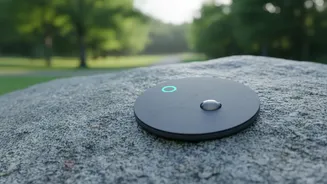
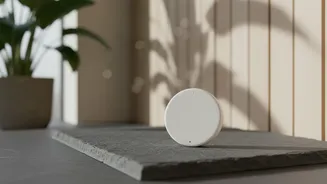
Enter the next wave of fitness technology: wearable sweat sensors. These are typically small, single-use patches or reusable pods that stick to your skin. Brands like Nix Biosensors, Flowbio, and hDrop are pioneering this space. Using technologies like microfluidics and electrochemical analysis, these devices capture and analyse your sweat in real time. The sensor wicks a tiny sample of sweat through microscopic channels and measures the concentration of electrolytes, primarily sodium. This data is then sent via Bluetooth to a companion app on your phone or smartwatch, giving you a live look at what your body is losing.
From Guesswork to Precision Hydration
For decades, hydration has been a guessing game based on thirst or generic guidelines. Sweat sensors change that by offering personalised, actionable data. Knowing your real-time sodium loss allows you to tailor your hydration strategy on the fly. For example, if the sensor shows you're a 'salty sweater' losing high amounts of sodium, your app might recommend a specific electrolyte drink over plain water. This helps prevent the performance decline associated with electrolyte depletion. A 2015 study highlighted that athletes who properly replaced the sodium lost in their sweat completed a middle-distance triathlon an average of 26 minutes faster than those who didn’t. This tech moves you from reactive hydration (drinking when you're already thirsty) to proactive refuelling based on your unique physiology.
Who Are These Sensors For?
While this technology was initially focused on elite endurance athletes like marathon runners and professional cyclists, it's becoming more accessible for a wider audience. Anyone serious about their performance in endurance activities, or even those who work out in hot and humid conditions in India, can benefit. If you've ever struggled with cramping during long runs, felt light-headed during a tough workout, or noticed white, salty streaks on your clothes or skin post-exercise, you are a prime candidate for this technology. Some systems, like SweatID, are even designed for group settings, allowing a coach to monitor the hydration needs of an entire team simultaneously.
The Future of Personalised Fuelling
Real-time sodium tracking is just the beginning. Researchers are already developing sensors that can monitor other biomarkers in sweat, such as glucose, lactate, and potassium. Imagine a future where your wearable not only tells you to drink an electrolyte mix but also advises you when to consume a carbohydrate gel based on your real-time energy expenditure. While the technology is still evolving and lab tests remain the gold standard for precision, the convenience and real-world application of these sensors offer a powerful new tool for anyone looking to gain a competitive edge or simply have a better, stronger workout. They represent a significant step towards truly personalised health and fitness monitoring.