






The Current Forecast
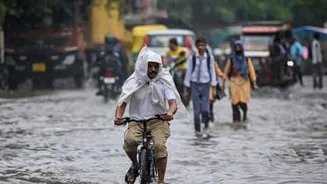
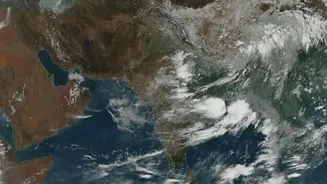
Weather officials are signaling a potential weakening of monsoon activity over the next fortnight, primarily affecting India's western, southern, and central regions. While July saw a strong revival of rainfall in some areas, the India Meteorological
Department (IMD) has projected that August is likely to receive below-normal rainfall, considered less than 94% of the long-period average. This follows a season that began with a significant rainfall deficit in June. As of early August, the cumulative seasonal rainfall for the country was already 12% below average, with the deficit expected to widen by the end of the month.
The El Niño Effect
A primary cause for this suppressed monsoon is the strengthening of El Niño conditions over the Pacific Ocean. El Niño is a climate pattern characterized by the unusual warming of surface waters in the central and eastern equatorial Pacific. This change disrupts global atmospheric circulation, and for India, it typically results in weaker monsoon winds and drier conditions. Historically, most of India's drought years have coincided with El Niño events. Forecasters noted the formation of weak El Niño conditions in June, which have since intensified to a moderate strength, acting as a major force suppressing rainfall across the country.
Regions on High Alert
The impact of the weakened monsoon is not uniform, with specific regions facing a higher risk of deficient rainfall. Forecasts indicate that western and southern states could see a significant rainfall deficit in the latter half of August. In early August, substantial rainfall deficiencies were already recorded in sixteen meteorological subdivisions. These included states like Bihar, Assam, Meghalaya, and Coastal Andhra Pradesh, which were reporting deficits between 20% and 38%. Even after heavy rains in July helped reduce the national deficit, almost half of the country's districts were still experiencing deficient or largely deficient rainfall, highlighting the uneven distribution.
Impact on Agriculture
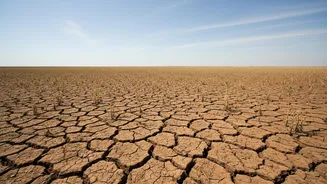
A weaker monsoon poses a direct threat to India's agricultural sector, which provides a livelihood for nearly half the population. The June-September rains are critical for the Kharif sowing season, which includes vital crops like rice, cotton, soybeans, and pulses. Poor rainfall reduces soil moisture, delays sowing, and can lead to lower crop yields, especially in the nearly 50% of Indian farmland that lacks irrigation. The dry spell threatens newly planted crops whose roots have not yet penetrated deep into the soil, making them vulnerable. A poor harvest reduces agricultural output, which can lead to lower farmer incomes and increased rural distress.
Wider Economic Consequences
The ripple effects of a poor monsoon extend beyond the fields. Reduced farm incomes can dampen rural demand for goods like tractors, two-wheelers, and other consumer products. A shortfall in agricultural production often leads to higher food prices and contributes to overall inflation, a key concern for economic policymakers. Furthermore, the monsoon is vital for replenishing reservoirs, which support drinking water supplies, irrigation, and hydroelectric power generation. Deficient rains can strain water resources, impacting both urban and rural populations and potentially leading to a need for increased government support measures.