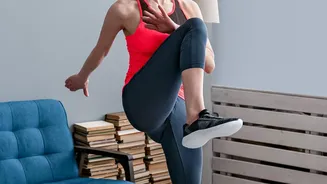



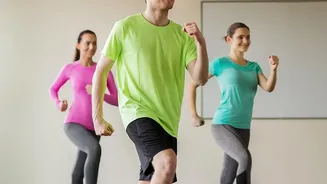

In the search for simple, effective exercises that don't require a gym, one move stands out for its power and practicality. The walking lunge is more than just a leg workout; it is a masterclass in building strength you can actually use.
First, What Is Functional Strength?
Functional strength
is essentially strength that prepares your body for real-life activities. Think about carrying groceries, climbing a flight of stairs, lifting a heavy box, or playing with your kids. These actions require multiple muscle groups and joints to work together in a coordinated way. Unlike traditional weight training that might isolate a single muscle, functional exercises like lunges train your body as an integrated system, improving strength, coordination, and stability all at once. The goal is to make everyday movements feel easier and reduce the risk of injury.
Enter the Walking Lunge
The walking lunge is a dynamic exercise that perfectly mimics the pattern of human movement, like an exaggerated walking or running stride. It involves stepping forward into a lunge, then instead of pushing back to the start, you bring your back leg forward to transition directly into the next lunge. This continuous forward motion makes it a challenging and highly effective movement. It targets the entire lower body, including the quadriceps, hamstrings, glutes, and calves, while also engaging your core muscles to keep you balanced and upright.
How to Perform a Walking Lunge Correctly
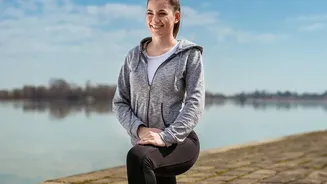
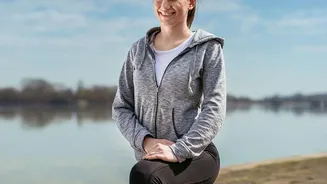
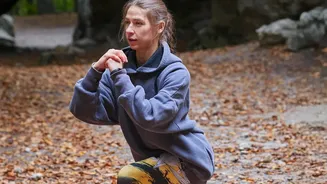
Proper form is crucial to maximise benefits and prevent injury. Start by standing tall with your feet hip-width apart and your core engaged. Take a comfortable step forward with your right leg. As your foot lands, lower your hips until both knees are bent at approximately a 90-degree angle. Your front thigh should be parallel to the ground, and your back knee should hover just above it. Ensure your front knee stays aligned with your foot and doesn't extend past your toes. Drive through your right heel to stand up, bringing your left foot forward to step into the next lunge. Continue alternating legs as you 'walk' forward.
The Outdoor Advantage
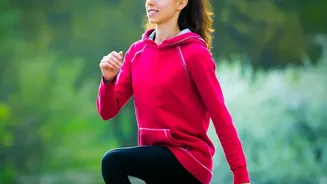
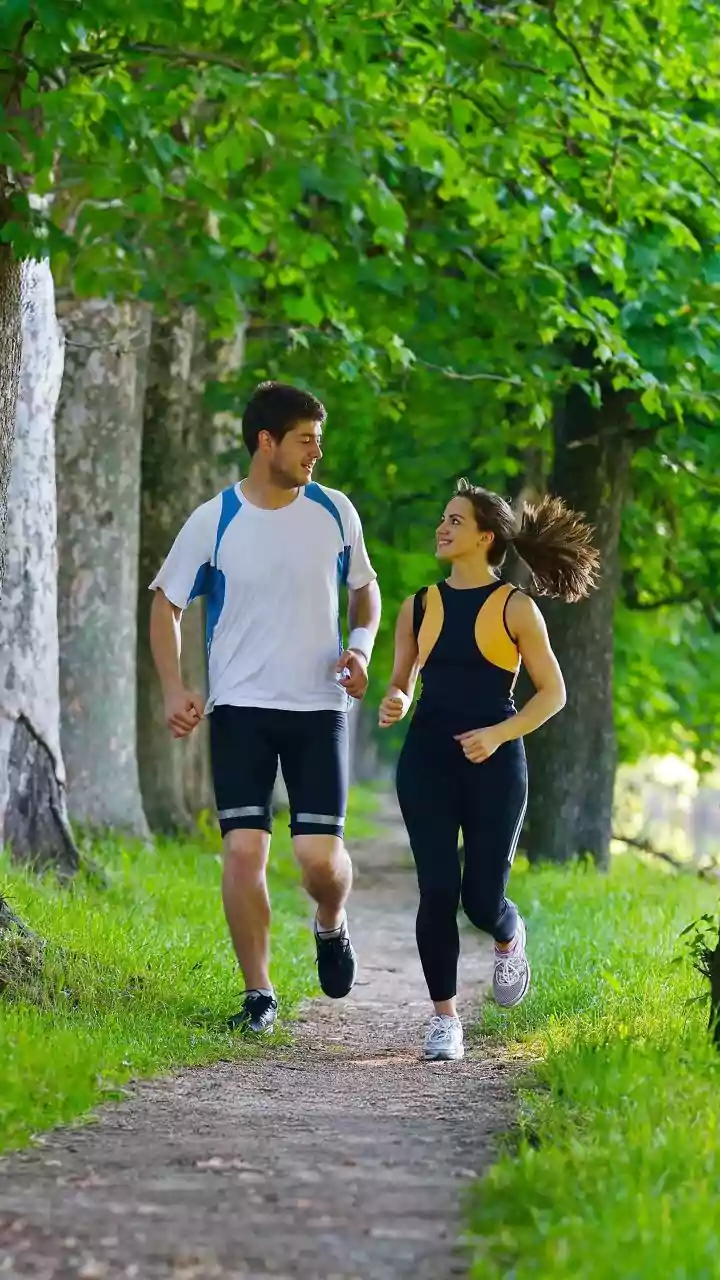
Taking your walking lunges outside adds another layer of benefit. Exercising outdoors has been shown to improve mood, reduce stress, and increase feelings of revitalisation. The fresh air and natural light provide a mental boost that you just can't get indoors. Furthermore, performing lunges on slightly uneven natural terrain, like a grassy park, challenges your stabiliser muscles even more, enhancing your balance and coordination. It transforms a great exercise into a holistic experience for both body and mind. Best of all, it's completely free and accessible.
Making it Work for You
The beauty of the walking lunge is its scalability. If you're a beginner, you can start with stationary lunges to master the form before adding the walking component. You can also reduce the depth of the lunge. For a greater challenge, you can hold dumbbells in each hand or a kettlebell in the 'goblet' position against your chest. Other variations to explore include reverse lunges, which are often gentler on the knees, or curtsy lunges, which target the glutes and hips from a different angle. A good starting point is to aim for three sets of 10–12 lunges per leg.