





The Unkillable Snake Plant
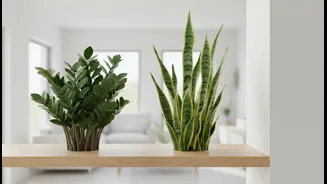
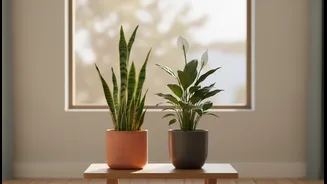
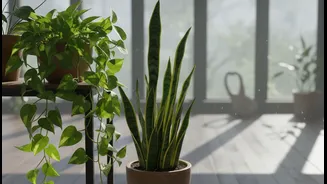
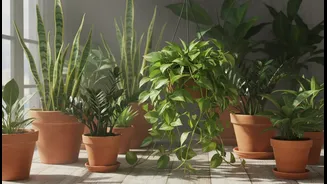
Known for its resilience, the Snake Plant (Sansevieria trifasciata) is a champion for beginner plant parents. Its striking, upright leaves make a modern statement in any room. It’s highly adaptable, tolerating both low light and infrequent watering, which
is a major advantage during the monsoon. The biggest risk during the rainy season is overwatering, as high humidity means the soil stays moist for longer. To keep it happy, reduce your watering schedule significantly, watering only when the soil is completely dry to the touch. Ensure your pot has excellent drainage to prevent root rot, a common issue in damp weather. A terracotta pot is an excellent choice as it allows the soil to dry out faster.
The Hardy ZZ Plant
The ZZ Plant (Zamioculcas zamiifolia) is another nearly indestructible option, celebrated for its glossy, dark green leaves. It's extremely drought-tolerant because it stores water in its underground rhizomes, making it perfect for those who tend to forget to water their plants. The ZZ plant thrives in high humidity and can handle low-light conditions, making it an ideal companion for the rainy season. Like the snake plant, overwatering is its main enemy, especially when humidity is high. Allow the soil to dry out completely between waterings. Good air circulation can also help manage the effects of a perpetually humid environment.
The Versatile Money Plant (Pothos)
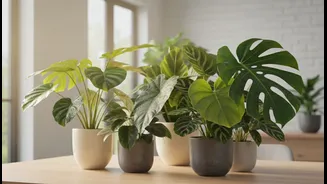
A staple in many Indian households, the Money Plant, or Pothos (Epipremnum aureum), is a fast-growing vine that flourishes during the monsoon. It loves the high humidity that the rainy season brings. This forgiving plant is great at communicating its needs; its leaves will start to droop slightly when it's thirsty. However, during the monsoon, you'll find you need to water it far less often. Check that the top few inches of soil are dry before giving it a drink. Pothos does well in bright, indirect light but tolerates lower light levels, which is perfect for overcast days. Its trailing vines can brighten up any shelf or hanging basket.
The Air-Purifying Spider Plant
The Spider Plant (Chlorophytum comosum) is famous for its air-purifying qualities and the charming baby “spiderettes” that dangle from the mother plant. It enjoys the bright, indirect light typical of cloudy monsoon days and appreciates moderate humidity. The key to success with spider plants during this season is to avoid waterlogging. Their thick, tuberous roots store water, which makes them susceptible to root rot if the soil stays constantly soaked from rain or overwatering. It's best to keep them in a shaded balcony or indoors near a window where they are protected from heavy downpours. Use a well-draining soil mix and water only when the top inch of soil feels dry.
The Colourful Aglaonema
Aglaonema, also known as the Chinese Evergreen, is prized for its vibrant, patterned leaves that come in shades of pink, red, and silver. It’s an excellent choice for adding a splash of colour to your home on a gloomy day. This tropical plant thrives in the high humidity and low-to-moderate light conditions that are characteristic of the monsoon. It requires minimal watering and is generally a low-fuss plant. Let the soil dry out partially between waterings and ensure good drainage to prevent any issues. Its ability to flourish in shaded, humid environments makes it one of the best decorative indoor plants for the season.
The Elegant Peace Lily
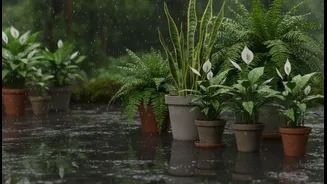
With its glossy green leaves and beautiful white flowers, the Peace Lily (Spathiphyllum) brings a touch of elegance to any indoor space. It is a plant that genuinely loves a moist, humid environment, making it well-suited for the Indian monsoon. It’s also known for being a great air purifier. Peace Lilies prefer indirect light and will even tolerate low-light corners of your home. They are quite dramatic and will droop when they need water, taking the guesswork out of your watering routine. Given the high ambient moisture during the rains, you'll need to water less frequently, but they do appreciate consistently moist—not waterlogged—soil.