








A Return to the Roots
Beyond the familiar comfort of turmeric lattes, a deeper, more nuanced movement is taking hold in India's vibrant café and gastropub scene. Chefs and restaurateurs are digging into the country's vast and diverse culinary backyard, unearthing forgotten
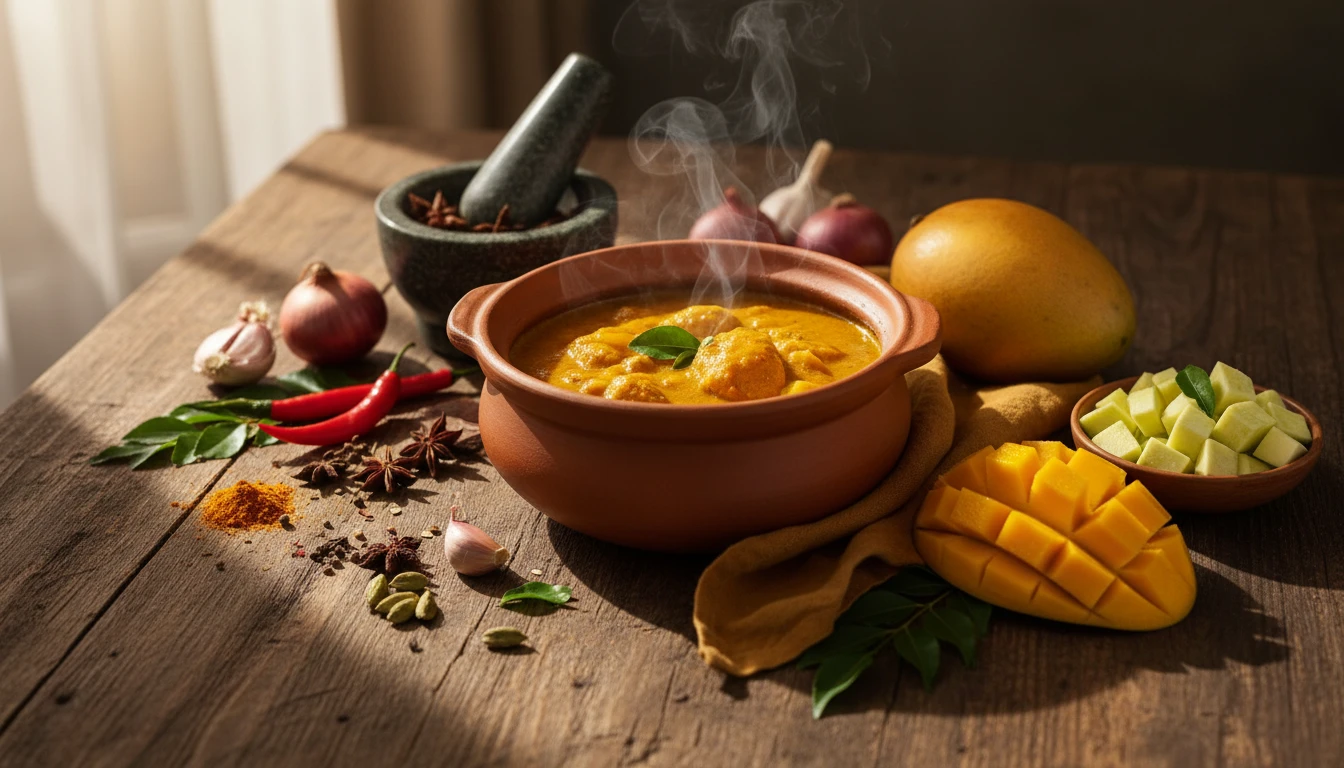
spices and hyper-local ingredients to craft menus that tell a story. This isn't just about adding a dash of 'Indianness'; it's a focused exploration of regional heritage, bringing the specific tastes of a grandmother’s kitchen to a modern, urban audience. The trend reflects a growing consumer desire for authenticity and connection, moving beyond generic fusion to celebrate the true diversity of Indian flavours.
The Spice Rack, Reimagined
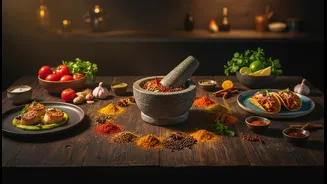
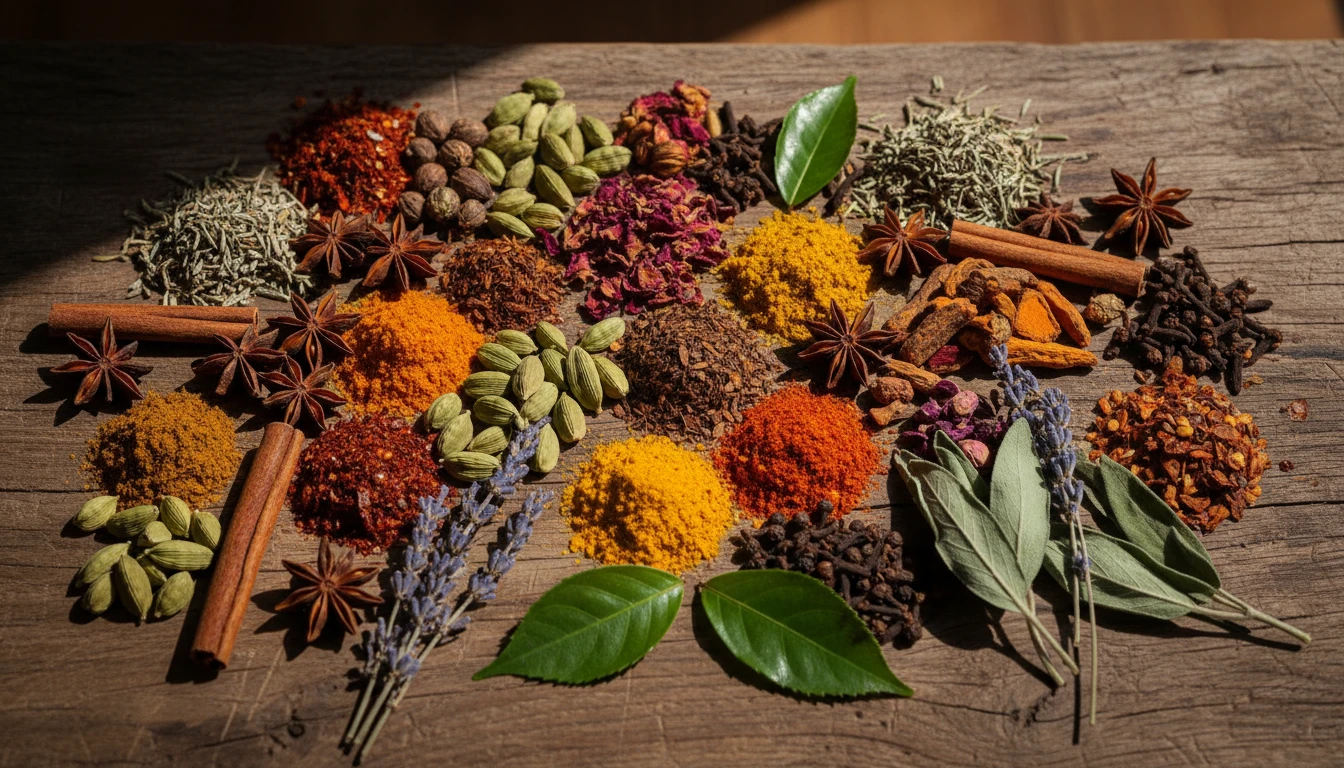
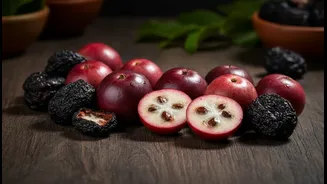
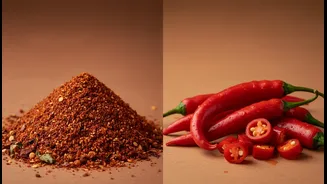
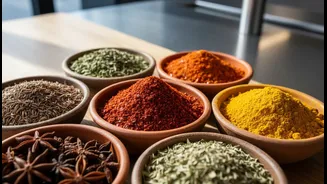
This movement champions spices that have long been absent from commercial kitchens. Ingredients like 'kalpasi' (stone flower), a lichen with a unique, earthy flavour from Maharashtra and South India, are appearing in marinades and stews. 'Radhuni', a Bengali secret resembling wild celery seed, is lending its subtle, nutty aroma to more than just traditional dishes. In the North East, the formidable 'Bhut Jolokia' or ghost pepper is being used with precision, adding a fiery kick to everything from sauces to cocktails. Even familiar spices are being used in new contexts, with chefs exploring single-origin variants of pepper and turmeric to deliver more complex flavour profiles.
The 'Gondhoraj' Revolution
Perhaps no single ingredient encapsulates this trend better than the 'Gondhoraj lebu', Bengal's 'king of aroma' lime. Known more for its intoxicating floral fragrance than its juice, this citrus is having a major moment. Once confined to Bengali households to perfume a simple dal, it is now the star ingredient in everything from Gondhoraj gimlets and mojitos to fragrant chicken appetisers, steamed fish, and even cheesecakes. Its ability to elevate a dish with pure aroma, without overwhelming acidity, makes it a versatile tool for chefs looking to create a memorable sensory experience.
More Than Just a Meal
This culinary shift is driven by a new generation of chefs and consumers who see food as an expression of identity. Chefs like Prateek Sadhu, Varun Totlani, and Manish Mehrotra are championing this ingredient-first philosophy, building direct relationships with farmers and foragers to source the best local produce. For them, using a rare local chilli or a foraged herb is not a gimmick; it’s about preserving biodiversity, supporting local communities, and celebrating the authentic stories behind the food. This narrative of provenance and purpose is resonating deeply with diners, who are increasingly curious about where their food comes from.
The New Taste of Modern India
What's emerging is a new definition of 'modern Indian' food. It is moving away from the heavy, cream-based curries that once dominated and towards lighter, fresher, and more regionally specific preparations. This trend is visible not just in fine-dining establishments but in the accessible, everyday spaces of cafés and gastropubs, where a cocktail might be infused with curry leaves or a plate of fries comes with a tangy kokum dip. It’s a flavour evolution that is both innovative and deeply rooted in tradition, offering a taste that is at once surprising and comfortingly familiar.