





Inside the Sleep Sanctuary
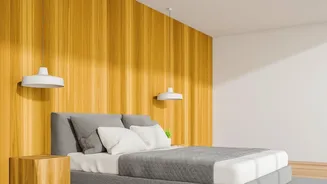
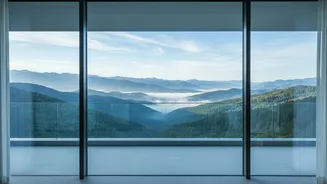
Forget mints on the pillow. The new frontier of hospitality is the 'circadian reset cabin,' a high-tech cocoon engineered for optimal sleep. These rooms go far beyond standard blackout curtains and quiet hours. Inside, you'll find dynamic lighting systems
that mimic the natural progression of the sun, glowing with warm hues in the evening to encourage melatonin production and brightening gently in the morning for a cortisol-driven awakening. Many feature advanced climate control that subtly cools the body during the night, smart mattresses that adjust to your movements, and curated soundscapes to mask disturbances and calm the nervous system. The goal is to create a sensory environment completely aligned with the body's natural 24-hour cycle, removing the disruptive cues of modern life.
The Science of Your Body Clock
Your circadian rhythm is the internal 24-hour clock that governs everything from your sleep-wake cycle to your metabolism and hormone release. This clock is primarily regulated by light exposure. Sunlight in the morning signals alertness, while darkness at night triggers the release of the sleep hormone melatonin. Modern life, however, wages a constant war on this delicate rhythm. Late-night screen time, irregular work schedules, and artificial lighting all send confusing signals to the brain, disrupting sleep quality and leading to feelings of fatigue. The technology inside these cabins is designed to counteract that confusion, reinforcing the body's natural cues for sleep and wakefulness in a controlled, immersive setting.
Why Millennials Are Booking In
The rise of 'sleep tourism' isn't accidental—it's a direct response to a burnt-out generation. Millennials, in particular, report high levels of stress and are increasingly using paid time off not for adventure, but simply to catch up on rest. This demographic is leading a shift away from jam-packed itineraries and toward 'sleepcations,' where the primary goal is to relax and recharge. Having grown up in a digital-first world, they are both hyper-aware of wellness trends and often the most affected by digital overload. For this group, a vacation that offers a tangible health benefit like better sleep feels more valuable than a simple escape, aligning with a broader preference for purposeful, restorative travel.
A Reset, Not a Permanent Fix
Can a two-night stay truly fix your sleep for the long term? Experts are cautiously optimistic but stress that consistency is key. A weekend in a high-tech cabin can't undo years of poor sleep habits. However, these experiences are best viewed as an immersive education. By demonstrating the profound effect of a properly aligned environment, they teach guests what optimal sleep feels like and can inspire them to adopt better habits at home. Many resorts supplement the experience with personalized coaching or take-home tips on managing light exposure, meal timing, and creating a sleep-friendly bedroom. The stay acts as a powerful catalyst, demonstrating the principles of sleep hygiene in a way that reading an article never could.