




Every December, the hills near Kohima come alive with warrior chants, vibrant fabrics, and the aroma of smoked meats. This is the Hornbill Festival, Nagaland's grand cultural showcase, and here’s how to experience it in 2026.
Kisama: A Window into Naga Life
Just 12 kilometres south of
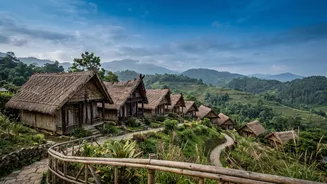
Nagaland's capital, Kohima, lies the Naga Heritage Village, also known as Kisama. This unique open-air museum was established by the state government to preserve and showcase the diverse cultures of Nagaland's tribes. The village's name itself, Kisama, is a portmanteau of the two villages that donated the land: Kigwema and Phesama. The site is designed to resemble a traditional Naga village, featuring 17 morungs, or traditional youth dormitories, each representing one of the state's major ethnic groups. These structures are built in the distinct architectural style of each tribe, offering visitors a tangible walk through the region's rich heritage all in one place. While it’s a fascinating destination year-round, Kisama truly comes alive for ten days every winter when it hosts the state's most famous event.
The 'Festival of Festivals' Explained
The Hornbill Festival, held annually from December 1st to 10th, is rightly called the 'Festival of Festivals'. Started in the year 2000 by the Nagaland government, its primary aim was to encourage inter-tribal interaction and to protect and project the state's rich cultural legacy. The event is named after the great Indian hornbill, a bird revered in the folklore of most Naga tribes as a symbol of valour and unity. It serves as a single platform where all of Nagaland's tribes can share their songs, dances, food, and customs, not just with each other but with the world. This annual gathering helps reinforce Nagaland's unique identity and offers visitors an unparalleled, immersive cultural experience.
What to Expect at Hornbill 2026
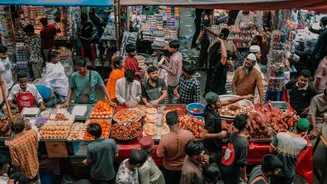
The Hornbill Festival 2026 is confirmed for December 1 to 10. Mornings at Kisama's main arena are a riot of colour and sound, typically starting around 9 AM. You can witness powerful cultural performances, from warrior dances and folk songs to traditional games like Naga wrestling and archery. In the afternoons, wander through the morungs where you can interact with elders, see craftspeople at work, and be invited to try 'zutho', a local rice beer. Food is a major highlight, with each tribe's stall offering unique delicacies. Expect to find dishes like smoked pork with bamboo shoot, spicy chutneys made with the infamous Naga king chilli, and various preparations of axone (fermented soybean). In the evenings, the action shifts to Kohima and other venues for the Hornbill International Rock Contest, night carnivals, and fashion shows.
Planning Your Trip
Getting to the festival requires some planning. The nearest airport and major railway station are in Dimapur, which is about 70 kilometres from Kohima. From Dimapur, it's a scenic but often busy 2–3 hour taxi ride to the capital. Since Hornbill is Nagaland's peak tourist season, it is crucial to book flights and accommodation months in advance. Hotels in Kohima and homestays in nearby villages like Kigwema fill up fast. Remember that Indian citizens from outside Nagaland require an Inner Line Permit (ILP), which can be applied for online. The weather in December is cool and crisp, so pack warm layers, especially for the evenings. Comfortable walking shoes are a must for exploring the sprawling heritage village.