








The Unpredictable Nature of Monsoon
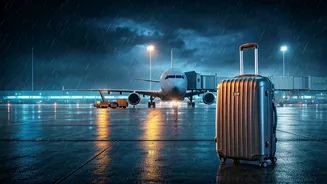
The Indian monsoon transforms the country, but it also brings a host of potential travel disruptions. Heavy rains can lead to sudden flight delays or cancellations due to poor visibility. On the ground, waterlogging can snarl city traffic, while landslides
in hilly regions can block roads for hours or even days. Train routes may also be diverted or suspended. This is not a time for rigid itineraries. The key to a successful monsoon trip is to embrace this fluidity. Travellers who plan with buffer time and accept that plans might change are better equipped to handle the season’s challenges and enjoy its unique charm.
Decoding Flexible Flight Fares
Airlines in India are increasingly offering tiered fare structures that cater to different needs. For monsoon travel, opting for a 'flexi' or 'classic' fare is a wise investment, even if it costs slightly more than a basic or 'lite' fare. These flexible tickets often allow you to change your travel dates with minimal or no penalty, a crucial benefit if a sudden downpour upends your schedule. Before booking, read the fare rules carefully. Understand the difference between a cancellation refund and a credit for future travel. Booking directly with airlines can sometimes offer more clarity and control over these flexible options.
Securing Risk-Free Accommodation
Just as with flights, hotel bookings need a safety net. Many booking platforms and hotel chains now prominently feature 'free cancellation' policies. This is your best friend during monsoon travel. Look for options that allow you to cancel without penalty until 24 or 48 hours before your check-in date. This gives you the freedom to alter your plans if a road is blocked or a flight is rescheduled. Always double-check the fine print, as some hotels have non-refundable policies for bookings during peak periods or long weekends, which can sometimes fall within the monsoon season.
Smart Planning for Ground Transport
Your journey doesn't end at the airport or train station. For road trips, especially to popular monsoon destinations like the Western Ghats, booking a cab can be smarter than self-driving through unfamiliar, rain-slicked roads. Some cab services now offer flexible one-way bookings that allow for last-minute route changes without significant penalties. If you are booking a cab, it's wise to book a few days in advance but choose a platform that allows for free rescheduling, as weather can almost certainly alter your plans. Always check the weather forecast not just for your destination, but for the entire route you plan to take.
The Essential Safety Net: Travel Insurance
Travel insurance is often overlooked for domestic trips, but it's invaluable during the monsoon. A good policy can provide financial protection if you need to cancel your trip entirely due to weather events. More importantly, it can cover non-refundable expenses for flights and hotels if your journey is interrupted or delayed. When choosing a policy, look specifically for coverage related to trip disruptions caused by natural calamities or weather. This small investment provides peace of mind, ensuring that an unexpected turn in the weather doesn't lead to a significant financial loss.