



A New Milestone in Urban Transit
On November 2, a staggering 1.6 million passengers travelled on the Delhi Metro’s driverless trains, marking a new single-day record for the automated corridors. This impressive figure, achieved during the hectic pre-Diwali period, meant that approximately
one in every five commuters on the entire network that day was riding on a train without a driver. The total network ridership has been surging, with figures crossing 8 million passenger boardings on the same day, driven by pollution-control measures on vehicles and the festive rush. This specific record on the automated lines, however, highlights the growing capacity and public acceptance of this cutting-edge technology.
The Engine of Automation: Pink and Magenta Lines
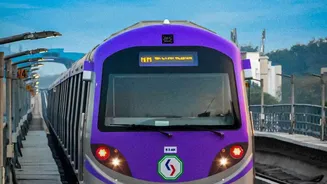
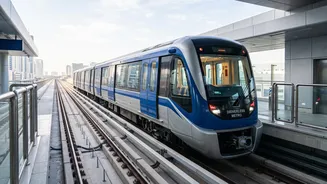
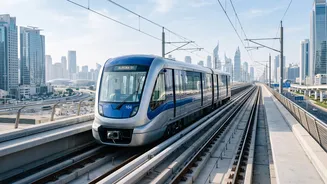
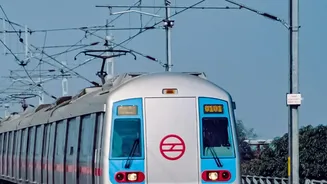
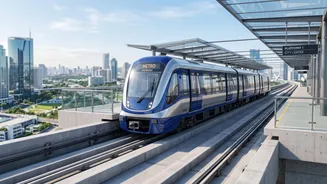
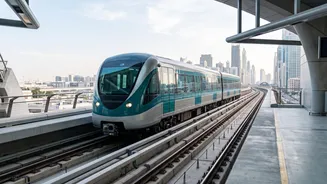
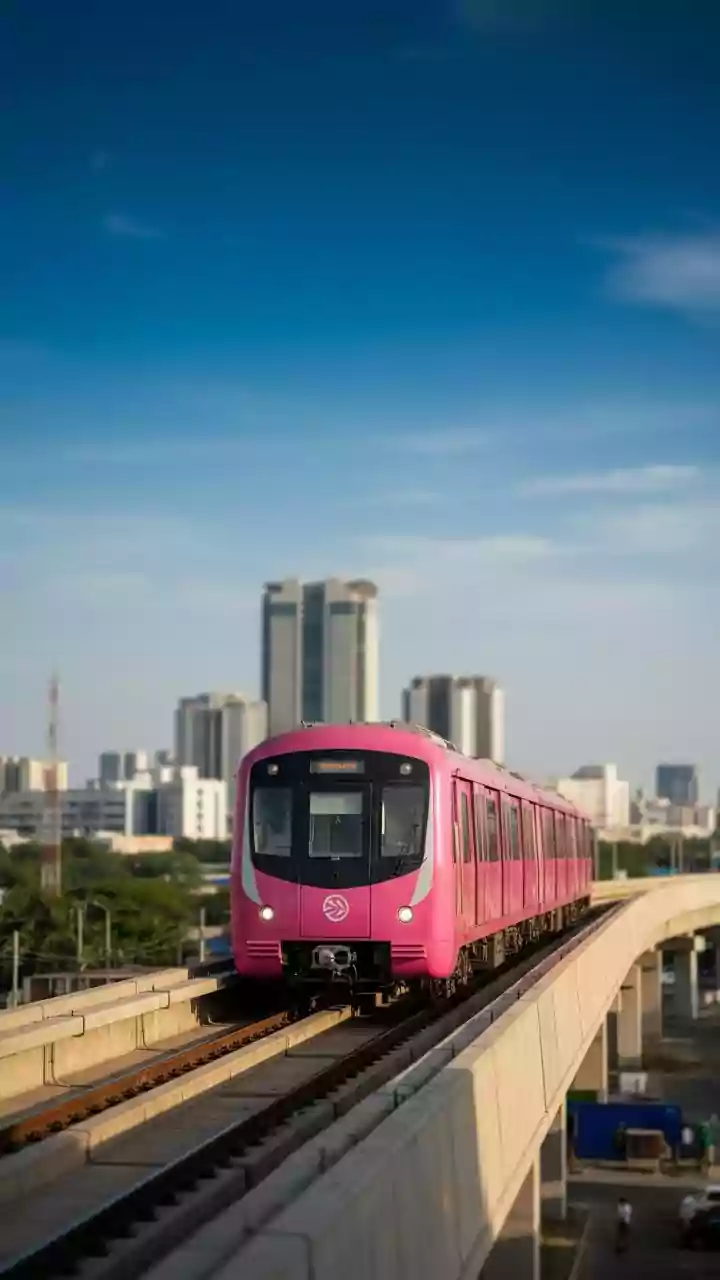
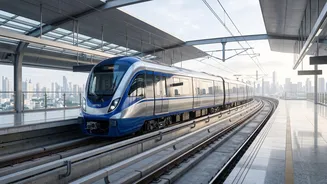
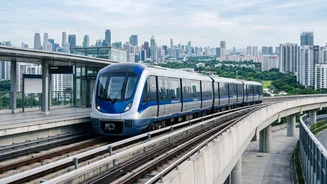
This ridership milestone was achieved exclusively on the two lines equipped for Unattended Train Operation (UTO): the Pink and Magenta Lines. Together, these lines cover about 120 kilometres, representing nearly 30% of the entire Delhi Metro network. The Delhi Metro Rail Corporation (DMRC) currently operates 100 UTO-enabled trains across these crucial corridors. First introduced on the Magenta Line in December 2020, this technology has since been integrated into the Pink Line, creating one of the world's largest driverless metro networks. These automated systems are designed for high frequency and reliability, which proved essential in managing the recent passenger surge.
What 'Driverless' Really Means
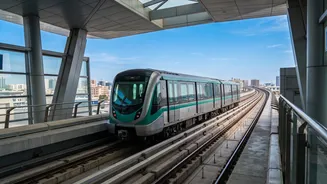
Unattended Train Operation is the highest grade of automation, where trains are controlled entirely by advanced signalling and computer systems. This technology enhances flexibility, allowing the DMRC to deploy services more dynamically in response to demand. According to DMRC Managing Director Vikas Kumar, automation significantly reduces the scope for human error and improves the availability of coaches for service. Each driverless train performs exhaustive self-tests before starting its daily run, a process that has greatly increased the fleet's overall reliability. This level of precision and efficiency is critical for a network that serves millions of commuters daily.
The Diwali Rush and Future-Proofing Delhi
The record before the peak of the Diwali rush serves as a real-world stress test, demonstrating the system's resilience. With vehicle restrictions contributing to higher metro usage, the ability of the driverless lines to absorb a significant share of the passenger load is a testament to their success. This achievement has sparked a wider conversation about the future of urban transport in India, with proponents arguing that other cities with metro systems should consider adopting the driverless model. The DMRC has already laid out plans to expand its driverless network to nearly 200 kilometres in the coming years, further cementing this technology's role in the capital's infrastructure.
Enhancing the Commuter Experience
For the average passenger, the benefits of this technology translate into a more predictable and comfortable journey. Higher frequency means shorter waiting times on platforms. The technology also enables new features, such as the real-time coach occupancy displays recently extended to the Pink Line. This system shows passengers on the platform which coaches are less crowded, allowing them to position themselves accordingly before the train arrives. While some have raised concerns about the high initial costs and the impact on employment, the DMRC has stated that train operators have been redeployed to other crucial roles like station management and crowd control, with no layoffs since 2020.