


The Classic: Sabudana Khichdi
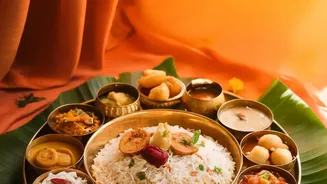
A staple in almost every household during fasting season, Sabudana Khichdi is both comforting and incredibly filling. Made from tapioca pearls, this dish is a fantastic source of carbohydrates, providing a slow release of energy to get you through the
day. The beauty of this dish lies in its simplicity and texture. When prepared correctly, the pearls are perfectly soft and separate, not sticky. It’s typically tossed with roasted peanuts for a delightful crunch, boiled potatoes, and seasoned with rock salt (sendha namak), cumin, and green chillies. A final squeeze of lemon juice brightens up all the flavours, making it a perfectly balanced start to your fasting day.
The Wholesome Pair: Kuttu ki Puri with Aloo Sabzi
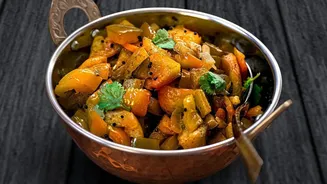
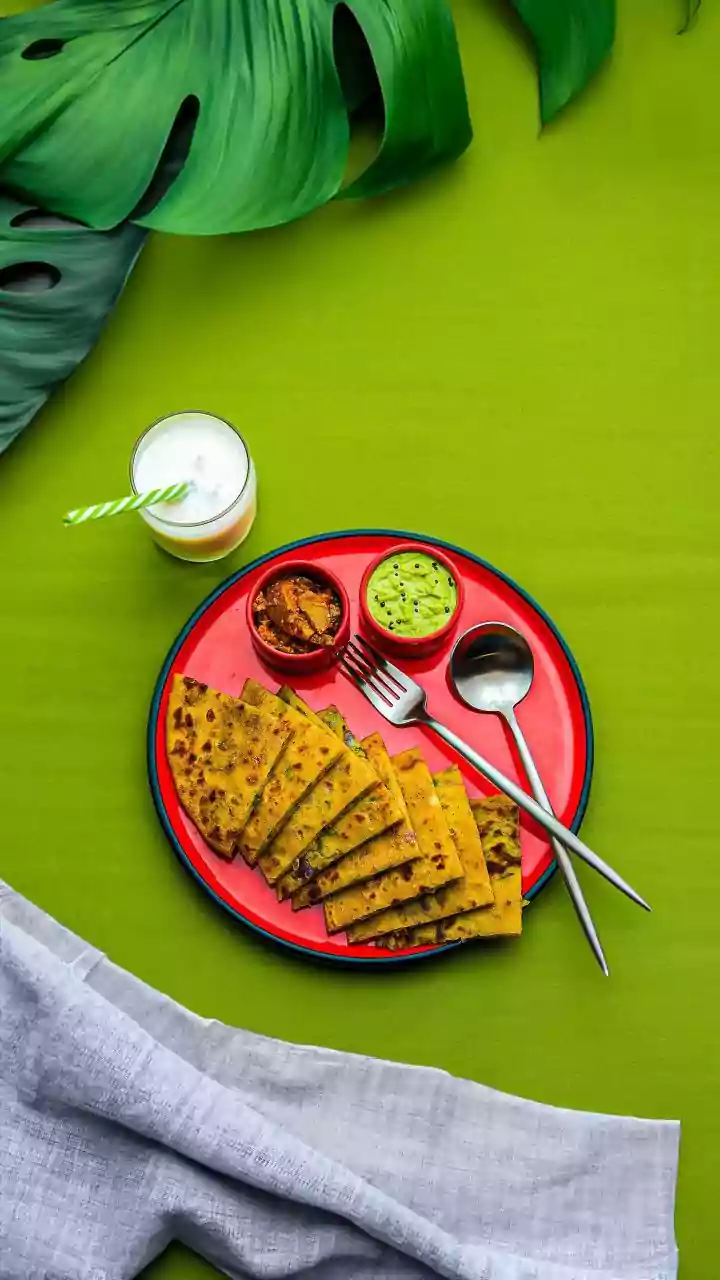
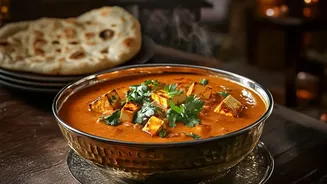
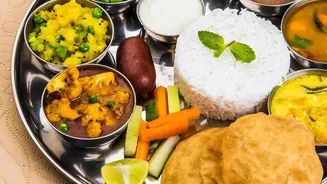
Another beloved fasting combination is the pairing of crispy Kuttu ki Puri with a simple potato curry. Kuttu ka atta, or buckwheat flour, is gluten-free and a popular choice during religious fasts. These puris are deep-fried to a delightful crispness and have a unique, slightly nutty flavour that distinguishes them from regular wheat puris. They are best served hot alongside a comforting bowl of Aloo Sabzi. This curry is prepared without onions or garlic, adhering to 'satvik' principles. The potatoes are typically cooked in a light tomato or water-based gravy, spiced with cumin seeds, green chillies, and sendha namak. It's a hearty meal that feels indulgent yet follows all the rules of vrat.
The Light Choice: Samak Ke Chawal Idli
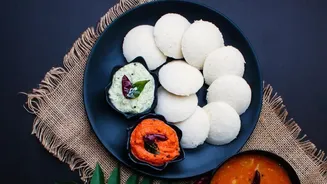
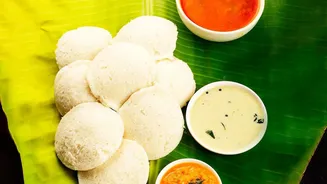
For those who prefer a lighter, steamed breakfast, Samak ke Chawal Idli is an excellent and innovative option. Samak ke chawal, also known as barnyard millet, is not a true grain and is widely permitted during fasting periods. Traditionally used to make khichdi or pulao, this millet can be ground into a batter, often mixed with sabudana, to create soft, fluffy idlis. The process is similar to making regular rice idlis, involving soaking, grinding, and fermenting the batter before steaming. These idlis are very light on the stomach, easy to digest, and pair beautifully with a simple coconut or peanut chutney made with vrat-approved ingredients. It’s a wonderful way to incorporate a South Indian favourite into your Sawan menu.
The Sweet Start: Makhana Kheer
If you have a sweet tooth in the morning, Makhana Kheer is a delicious and nutritious way to begin your day. Makhana, or fox nuts, are packed with nutrients and are considered a superfood, making them an ideal ingredient for fasting. To prepare this kheer, makhana are lightly roasted in ghee until crisp, then simmered in milk until it thickens into a creamy pudding. The dish is delicately sweetened and flavoured with green cardamom powder, with a scattering of sliced almonds and pistachios for added texture and richness. It’s a warm, comforting bowl that provides a feeling of fullness without being too heavy, perfect for a gentle start to a day of prayer and devotion.
The Fresh Boost: Vrat-Friendly Fruit Chaat
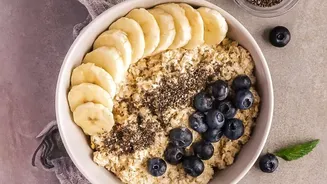
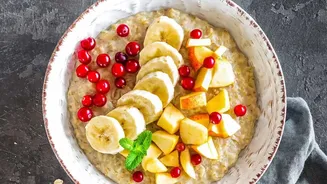
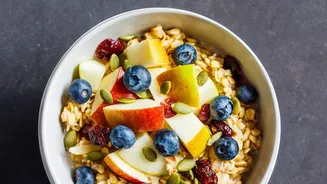
Perhaps the simplest yet most refreshing breakfast is a vibrant bowl of fruit chaat. During Sawan, relying on fresh, seasonal fruits is a great way to stay hydrated and nourished. A chaat can be made with a variety of fruits like apples, bananas, papaya, and pomegranate seeds. To make it vrat-friendly, the dressing is kept minimal and pure. A simple sprinkle of sendha namak and a pinch of black pepper powder is all you need to enhance the natural sweetness of the fruits. A squeeze of lemon juice can add a tangy kick. For an extra boost of energy and crunch, you can also add a handful of roasted peanuts or walnuts. This breakfast is not only quick to prepare but also light, hydrating, and full of essential vitamins.