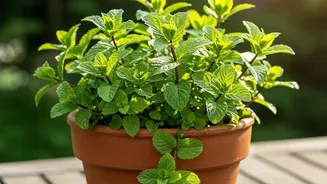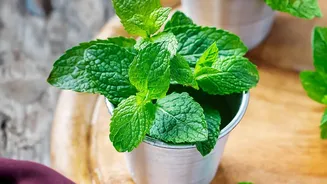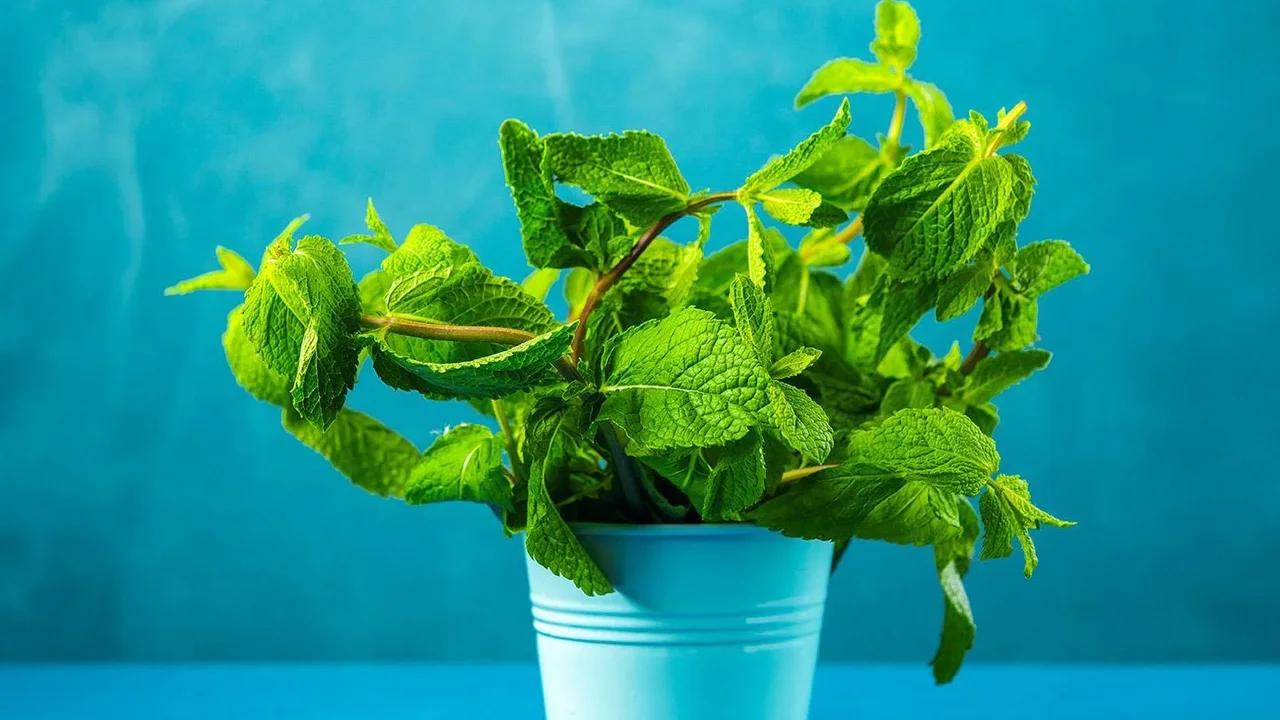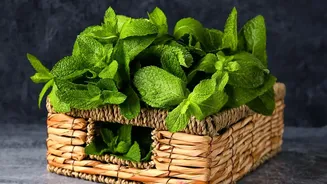


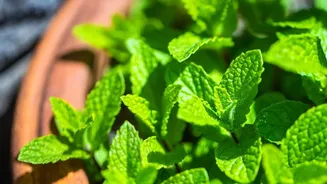
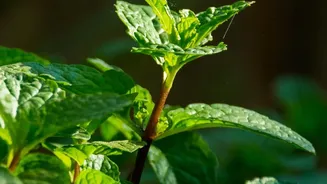
Imagine the fresh, uplifting aroma of mint filling your kitchen. Growing this versatile herb indoors is surprisingly simple and rewards you with a constant supply for your tea, chutneys, and summer drinks. Here’s how to get started.
Choose Your Perfect Mint
Not all mint is created
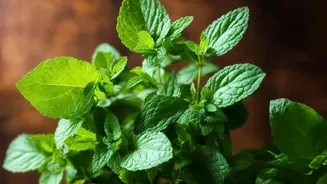
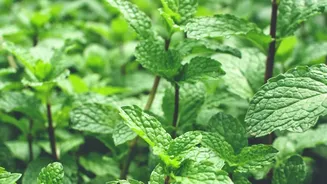
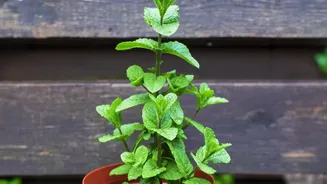
equal. The most common varieties are spearmint (Mentha spicata) and peppermint (Mentha x piperita). Spearmint is the classic choice for savoury dishes and drinks like mojitos, with a milder, sweeter flavour. Peppermint has a higher menthol content, giving it a spicier, more intense cooling taste, perfect for teas and desserts. For something more adventurous, consider chocolate mint, which has notes of dark chocolate, or pineapple mint, which is sweeter and fruitier. The easiest way to start is not from seed, which can be tricky, but by purchasing a small plant from a nursery or even taking a cutting from a friend's established plant. Cuttings can be rooted easily in a glass of water before being planted.
The Right Pot and Soil
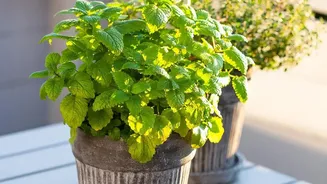
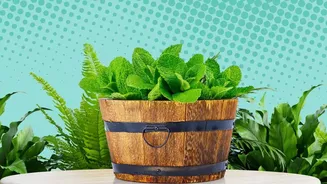
Mint is an aggressive grower known for spreading rapidly via underground runners. To prevent it from taking over, always plant it in its own container. A pot that is at least 10-12 inches in diameter is a good start, as it gives the roots room to expand. The most crucial feature of your pot is drainage holes; mint loves moist soil but will quickly suffer from root rot if it becomes waterlogged. For the soil itself, a high-quality, well-draining potting mix is ideal. You can improve drainage and add nutrients by mixing in some compost, perlite, or coarse sand. This will create a rich, airy environment that holds moisture without becoming soggy.
Finding the Sweet Spot for Light
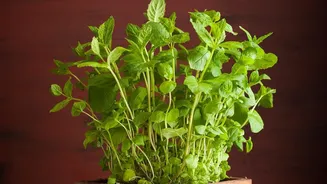
Indoors, light is one of the most important factors for a healthy mint plant. Mint thrives in bright, indirect sunlight. An east-facing window that gets gentle morning sun is perfect. While it can tolerate some full sun, intense direct light, especially during harsh afternoons, can scorch its leaves. If your plant doesn't get several hours of good natural light, it can become 'leggy'—tall and spindly with sparse leaves—and its flavour will be less intense. To ensure even growth, rotate the pot every few days so all sides get access to the light. If you have a particularly dark spot, consider supplementing with a basic LED grow light for 12-14 hours a day.
Watering Wisdom
One of the most common mistakes when growing mint indoors is incorrect watering. Mint prefers consistently moist soil but absolutely hates sitting in water. A good rule of thumb is to water thoroughly whenever the top inch of the soil feels dry to the touch. Check the soil every few days. On hot, sunny days, container plants can dry out quickly and may need daily watering. Always allow excess water to drain out completely from the bottom of the pot and never leave it sitting in a saucer of water, as this can lead to root rot. If the leaves start to wilt, it's often a sign of thirst, but always check the soil first; wilting can also occur if the roots are waterlogged.
Harvesting for Bushier Growth
Regular harvesting is the secret to a full, bushy mint plant. Don’t just pluck individual leaves. Instead, prune the stems. Using a pair of scissors, cut the stems about a third of the way down, just above a pair of leaves. This encourages the plant to branch out from that point, creating two new stems where there was one. Start harvesting once the plant is established and has several stems. Regularly pinching off the growing tips, even if you don’t need the leaves right away, will prevent the plant from becoming leggy and encourage it to produce more foliage. Also, pinch off any flower buds that appear, as flowering can reduce the plant's flavour and energy for leaf production.
Troubleshooting Common Problems
Mint is generally resilient, but indoor conditions can sometimes pose challenges. If your plant's stems are long and the leaves are small and far apart, it needs more light. Yellowing lower leaves often indicate overwatering or poor drainage. Check that the pot isn't waterlogged. Pests like aphids or spider mites can sometimes appear in stagnant indoor air. You can often manage them by wiping the leaves with a damp cloth or using a simple insecticidal soap. Because mint is so vigorous, it can become root-bound in its pot. Every year or two, it’s a good idea to repot it with fresh soil or divide the plant into smaller sections to give it new life.