








1. Jamun (Indian Blackberry)
This quintessential monsoon fruit is a nutritional powerhouse. Jamun is packed with vitamin C and antioxidants that help boost the immune system and fend off common colds. Its antibacterial properties are excellent for digestive health, a common concern
during the rainy season. Additionally, compounds in jamun like jamboline help regulate blood sugar levels, making it a great choice for those with diabetes.
2. Litchi
Juicy and sweet, litchi is more than just a treat. It is an excellent source of vitamin C, a vital nutrient for a strong immune system that helps the body resist common monsoon infections. Rich in antioxidants and with a high water content, litchis also aid in hydration and promote healthy skin, which can be affected by the high humidity. Its fibre content can also help with digestion.
3. Pomegranate (Anar)
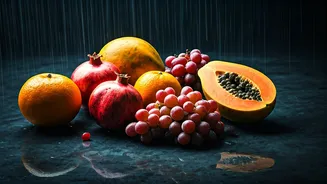
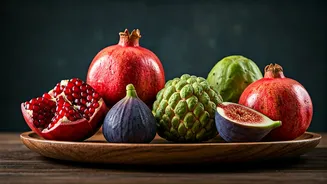
The ruby-red seeds of the pomegranate are loaded with powerful antioxidants, even more than green tea. These compounds, along with a high concentration of vitamins C and E, help bolster your immunity against viral and bacterial infections. Pomegranates are also known to improve hemoglobin levels and support heart health, keeping you energetic during the often gloomy monsoon days.
4. Plums (Aloo Bukhara)
Plums are a fantastic monsoon fruit, known for their high content of antioxidants and vitamin C, which are crucial for a strong immune defence against seasonal illnesses like the flu. They are also an excellent source of dietary fibre and a natural compound called sorbitol, which work together to prevent constipation and promote digestive regularity—a common issue when our systems slow down in the humid weather.
5. Cherries
These small, vibrant fruits are packed with antioxidants like anthocyanins, which reduce inflammation and protect the body from infections. Cherries are particularly effective at protecting against bacterial and viral infections that can affect the digestive system during the monsoon. They are also a natural source of melatonin, which can help regulate sleep cycles for better rest and recovery.
6. Peaches (Aadu)
Another stone fruit that shines during the monsoon, peaches are rich in vitamin C, which stimulates the production of white blood cells to fight off infections. They are also a good source of vitamin A, essential for skin health, and dietary fibre, which supports a healthy digestive tract. Their antioxidant properties further help protect the body from damage caused by free radicals.
7. Pears (Nashpati)
Pears are a nutrient-dense fruit, low in calories but high in fibre and essential immunity-boosting vitamins like C and K. Their high fibre content is gentle on the digestive system, which is often more sensitive during the monsoon. The antioxidants in pears, such as lutein and zeaxanthin, help protect the body's cells from damage, keeping you healthy.
8. Papaya (Papita)
Papaya is a digestive saviour, especially during the monsoon. It contains a unique enzyme called papain, which helps break down proteins and aids digestion, preventing bloating and discomfort. Abundant in vitamin C, A, and antioxidants, it significantly strengthens the immune system and helps maintain glowing skin despite the humid weather.
9. Apples
An apple a day truly helps keep the doctor away, especially during the rains. Apples are packed with dietary fibre and antioxidants. One specific flavonoid found in apples, quercetin, has been shown to boost the immune system and protect against infections. They are a reliable and easily available choice for maintaining good gut health and overall wellness throughout the season.
10. Bananas
Easy to digest and incredibly nourishing, bananas are an ideal monsoon fruit. They are rich in potassium and magnesium, which help maintain electrolyte balance, and their fibre content supports good gut health. Bananas provide a quick and sustained energy boost, making them perfect for combating the fatigue that can accompany the damp weather.