


Why Small is the New Big
Starting a garden can feel overwhelming. This is where the humble balcony pot shines. It offers a controlled, manageable environment. You control the soil, the water, and the sunlight your plant receives. This minimises the risk of common beginner mistakes
like dealing with poor soil quality or rampant weeds. The investment is small, both in terms of money and space, making it a low-pressure entry into a rewarding new hobby. If a plant doesn't make it, the lesson is learned on a small scale, without the heartbreak of a failed venture.
Choosing Your First Pots
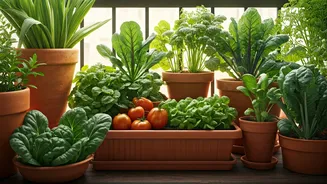
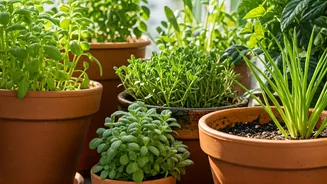
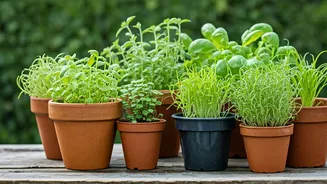
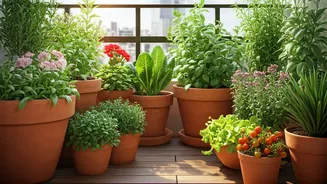
Your pot is your plant’s home. For beginners, terracotta (clay) pots are a fantastic choice. They are porous, which means they allow air and water to move through the sides, preventing the soil from getting waterlogged—a common cause of plant death. Plastic pots are a lighter and cheaper alternative, and they retain moisture longer, meaning you'll water less often. Whichever you choose, ensure it has drainage holes at the bottom. Without drainage, water will pool and rot the roots. Start with medium-sized pots (6-10 inches in diameter) as they offer a good balance of soil volume and manageability.
The Foundation: Soil and Sun
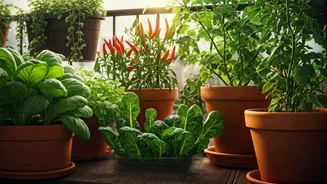
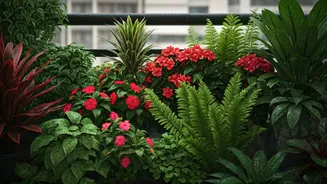
You can't just use soil from a nearby park, as it is too heavy and may contain pests. Instead, buy a good quality potting mix from a local nursery. This is a specially formulated, lightweight mixture. For an even better start, create a mix of equal parts potting soil, cocopeat (which retains moisture), and compost or vermicompost (which provides nutrients). Next, observe your balcony. A south-facing balcony getting 6+ hours of sun is perfect for vegetables like tomatoes and chillies. An east or west-facing balcony with 4-6 hours is great for flowers and many herbs. A north-facing one is ideal for shade-loving plants like ferns and money plants.
Easy-Win Plants for Beginners
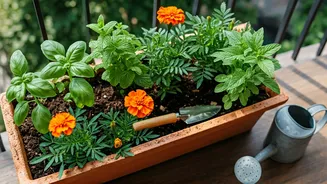
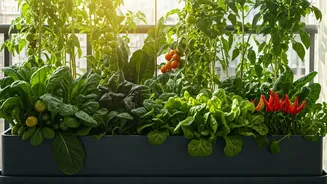
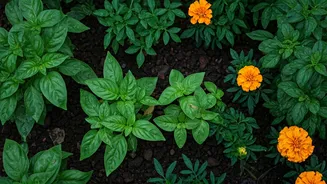
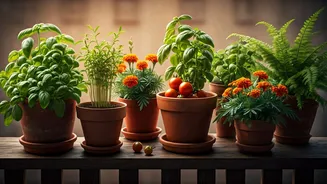
Success builds confidence, so start with plants that are known to be hardy and rewarding. For an Indian balcony, you can’t go wrong with herbs. A pot of Tulsi is not only auspicious but also easy to care for. Mint (pudina) and coriander (dhania) grow quickly and give you fresh ingredients for your kitchen. When it comes to flowers, marigolds (genda) are incredibly resilient and thrive in the sun. For a splash of colour, consider vincas or portulaca. If you want to try vegetables, start with a single cherry tomato or chilli plant. Seeing that first fruit ripen is a moment of pure joy.
The Art of Watering
Overwatering is the number one killer of potted plants. The goal is to keep the soil moist, not soggy. Before watering, stick your finger about an inch into the soil. If it feels dry, it's time to water. If it feels damp, wait another day. When you do water, water thoroughly until you see it running out of the drainage holes at the bottom. This ensures that the entire root system gets a drink. In the peak of summer, you may need to water daily, especially for terracotta pots. During monsoon or cooler weather, you might only need to water every few days. Learning to 'read' your plants and their soil is the most important skill you will develop.