



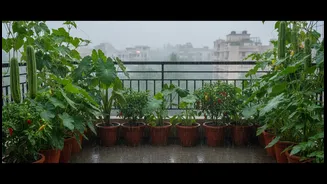


From Concrete Ledge to Kitchen Garden
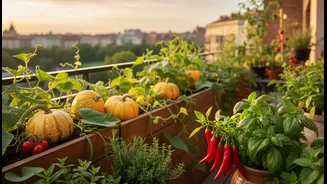
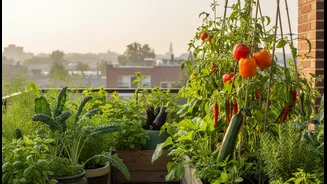
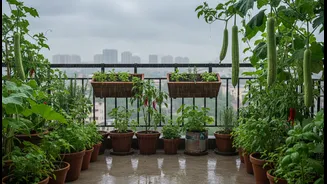
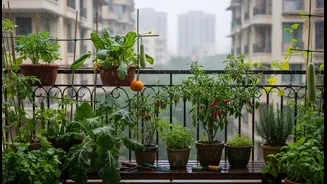
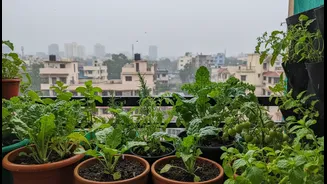
Across India's metropolises, from Mumbai high-rises to Bengaluru apartments, a growing number of people are transforming their balconies, windowsills, and terraces into productive micro-farms. This isn't about decorative ferns and ornamental flowers anymore.
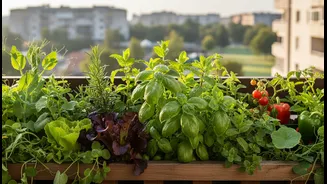
The new urban garden is edible. Fuelled by a desire for fresher, cleaner food and a connection to nature, city dwellers are cultivating everything from common herbs to everyday vegetables, creating a personal supply of produce right outside their kitchen doors. The trend has made gardening accessible, with online retailers now offering beginner-friendly kits, specialised potting mixes, and containers designed for small urban spaces.
The Monsoon's Green Signal
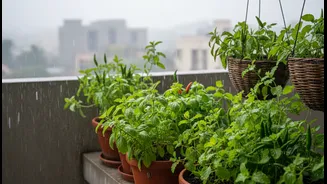
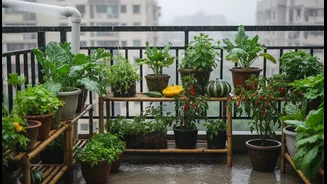
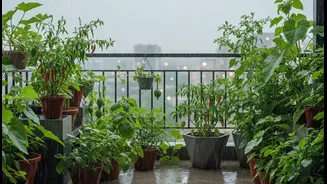
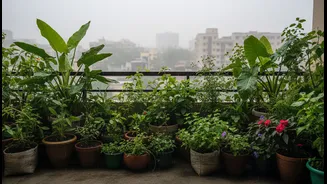
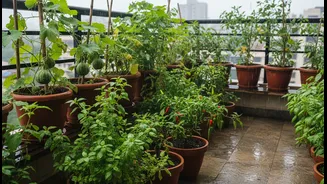
While urban gardening is a year-round activity, the monsoon season acts as a powerful catalyst. The combination of cooler temperatures, increased humidity, and abundant rainwater creates ideal conditions for many plants to thrive. This period sees an explosion of growth, with vegetables like okra (bhindi), chillies, brinjal, and various gourds flourishing. Leafy greens such as spinach and amaranth also grow rapidly, often ready for harvest within weeks. For many aspiring gardeners, the monsoon provides a forgiving entry point. The frequent rains reduce the chore of daily watering, and the climate supports the vigorous growth of climbing vegetables like beans and cucumbers, which make efficient use of vertical space on trellises.
A Hunger for Purity and Trust
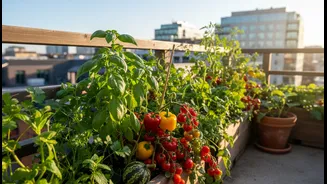
One of the most significant drivers behind the edible balcony trend is a growing concern over food quality. Worries about pesticide residues, artificial ripening agents, and long supply chains have left many consumers questioning the safety of market produce. Growing your own food provides a powerful solution, offering complete control over what goes into the soil and, ultimately, onto your plate. This desire for 'pure' food that is free from unknown chemicals is a recurring theme among urban gardeners. Having a small harvest of tomatoes, chillies, or herbs like tulsi and mint provides not just fresh ingredients, but also peace of mind. It's a tangible way to ensure the food a family consumes is as healthy and natural as possible.
More Than Just Food: Wellness and Connection
The bigger story, however, goes beyond a simple cost-benefit analysis of groceries. For many, tending to plants in a bustling city is a form of therapy. The act of nurturing a plant from seed to harvest offers a mindful, calming routine that provides a welcome escape from the stresses of urban life. Psychologists note that gardening can reduce stress and provide a sense of purpose. It reconnects urban residents with natural cycles often lost in a concrete environment. Furthermore, these green corners are fostering new kinds of community. Neighbours share seeds, exchange tips on WhatsApp groups, and bond over their gardening successes and failures, weaving a new social fabric one balcony at a time.
The Practical Challenges
Of course, a monsoon garden is not without its challenges. The very rains that encourage growth can also lead to problems like waterlogged pots and root rot if drainage is poor. Ensuring pots have adequate drainage holes and are even elevated on stands becomes crucial. The high humidity also creates a breeding ground for fungal diseases like powdery mildew. Gardeners learn to space their plants for better air circulation, use preventative sprays like neem oil, and sometimes, move sensitive plants to sheltered spots during torrential downpours. Pests are another reality, but the community is increasingly turning to natural solutions over chemical pesticides, reinforcing the core goal of producing clean food.