






The Myth of the Muscle-Bound Man
The idea that strength training is exclusively for those wanting to get visibly 'bulky' is one of the most persistent myths in fitness. This stereotype is particularly harmful to women, many of whom avoid lifting weights for fear of developing a physique
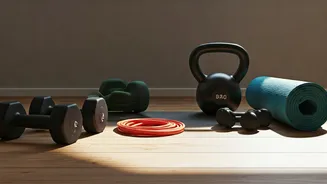
they don't desire. Biologically, however, it's much harder for women to build significant muscle mass due to lower levels of testosterone. When men and women of similar fitness levels engage in the same training programs, their strength gains are nearly equal relative to muscle size. The intimidation factor of the weights area, often seen as a male-dominated space, keeps many people from discovering the wide-ranging benefits of picking up a dumbbell, using a resistance band, or even just using their own bodyweight.
Strength for Everyday Life
Forget the bodybuilding stage and think about your daily routine. This is where functional strength training shines. Its goal is to make everyday activities easier, safer, and more efficient. This type of training involves exercises that mimic real-life movements like squatting, pushing, pulling, and carrying. Think about lifting grocery bags, getting up from a chair, playing with children, or placing a suitcase in an overhead bin—these are all acts of strength. By training these movement patterns, you build practical strength that improves your quality of life, enhances balance and coordination, and significantly reduces your risk of injury. This becomes especially important as we age, helping to maintain independence for longer.
More Than Just Muscle
The benefits of resistance training go far deeper than muscle tissue. It's a powerful tool for overall health. One of its most crucial roles is in building and maintaining bone density, which helps reduce the risk of osteoporosis, a condition that disproportionately affects women as they age. It also improves metabolic health by helping the body regulate blood sugar and improving insulin sensitivity. Furthermore, the positive effects on mental health are significant. Studies show that resistance training can reduce symptoms of anxiety and depression, boost self-esteem, improve sleep quality, and enhance cognitive function. Contracting muscles releases chemical messengers that support brain health, making you not just physically stronger, but mentally more resilient too.
Your Starting Point
Getting started doesn't mean you need to immediately bench press your body weight. The key is to begin where you are and progress gradually. The CDC recommends strength training activities at least two days a week for adults. For beginners, bodyweight exercises are an excellent starting point—think squats, push-ups (even against a wall), and planks. Resistance bands are another affordable and accessible tool. When you feel ready for weights, it's important to choose a weight that challenges your muscles by the end of 8 to 12 repetitions while maintaining good form. It’s not about lifting the heaviest weight possible, but about consistency and challenging yourself appropriately. Don’t be afraid to ask for guidance from a qualified trainer to ensure you're performing movements safely and effectively.