


Plant-Based Proteins Go Mainstream
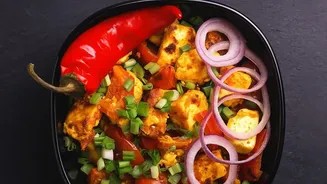
No longer a niche for vegans, plant-based protein is booming among health-conscious Indians. Driven by a rise in flexitarian diets, urban consumers are seeking protein from sources like soy, peas, and lentils. The India plant protein market was valued
at over USD 1 billion in 2026, showing a significant shift towards alternatives that are seen as sustainable and healthier. This isn't about giving up paneer or chicken entirely, but rather incorporating more plant-forward meals into the week for better health outcomes.
The Gut Health Revolution
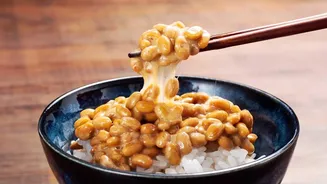
Good health starts in the gut, and Indians are catching on fast. In 2026, there is a massive focus on foods that support a healthy microbiome. Probiotic-rich foods like homemade dahi, kefir, and kombucha are flying off the shelves. There's also a growing interest in prebiotic foods—like garlic, onions, and bananas—which feed good gut bacteria. This trend reflects a move toward preventive wellness and tackling digestive issues through diet.
Return of the Millets
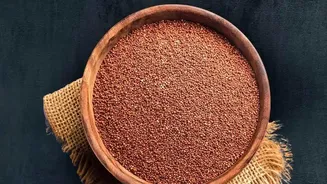
Ancient Indian grains are making a major comeback. Millets like ragi, jowar, and bajra are being celebrated for their high fibre content, low glycemic index, and rich mineral profile. Supported by government initiatives and a renewed consumer interest in traditional superfoods, millets are now found in everything from breakfast cereals and dosa batters to healthy snacks. They are seen as a nutritious, gluten-free alternative to refined wheat and rice.
Functional Beverages Take Over
Indian consumers now expect their drinks to do more than just quench thirst. Functional beverages that offer benefits like immunity support, improved digestion, or enhanced focus are becoming standard. Ayurvedic and herbal infusions with ingredients like turmeric, ashwagandha, and tulsi are particularly popular. The market is shifting away from sugary soft drinks towards options that provide tangible health benefits, from probiotic drinks to plant-based smoothies.
Healthy Snacking is the New Norm
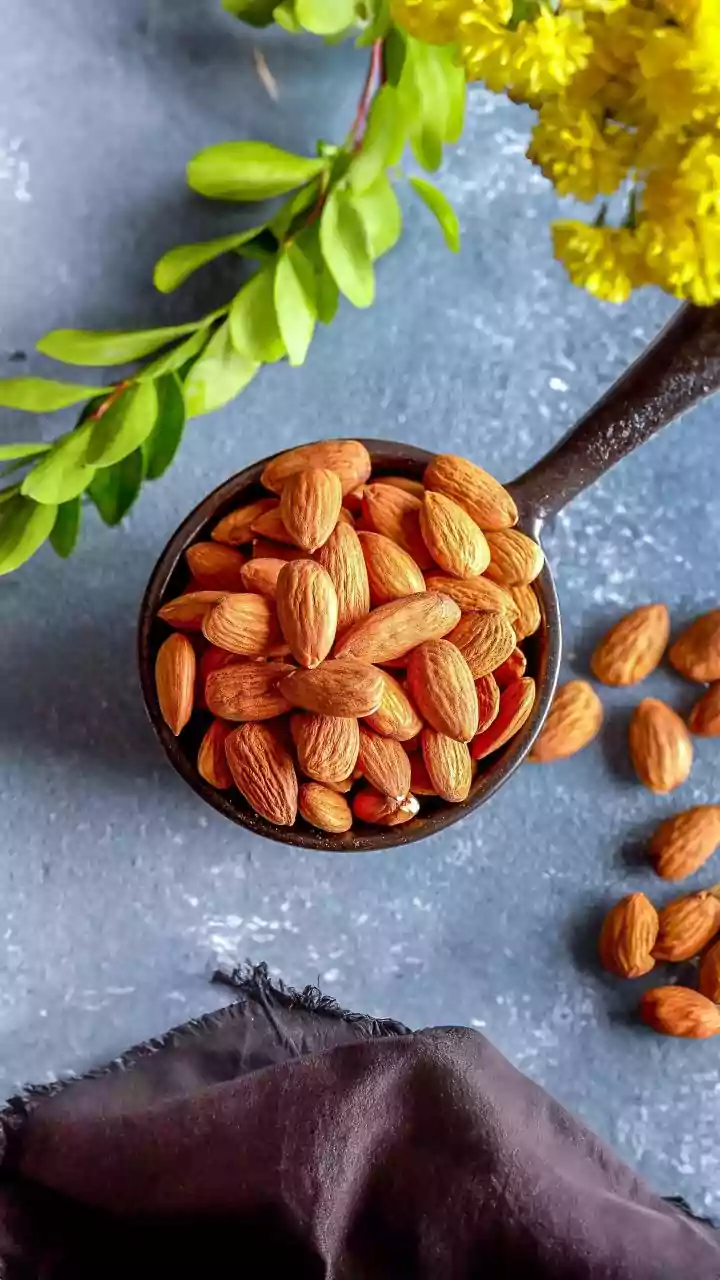
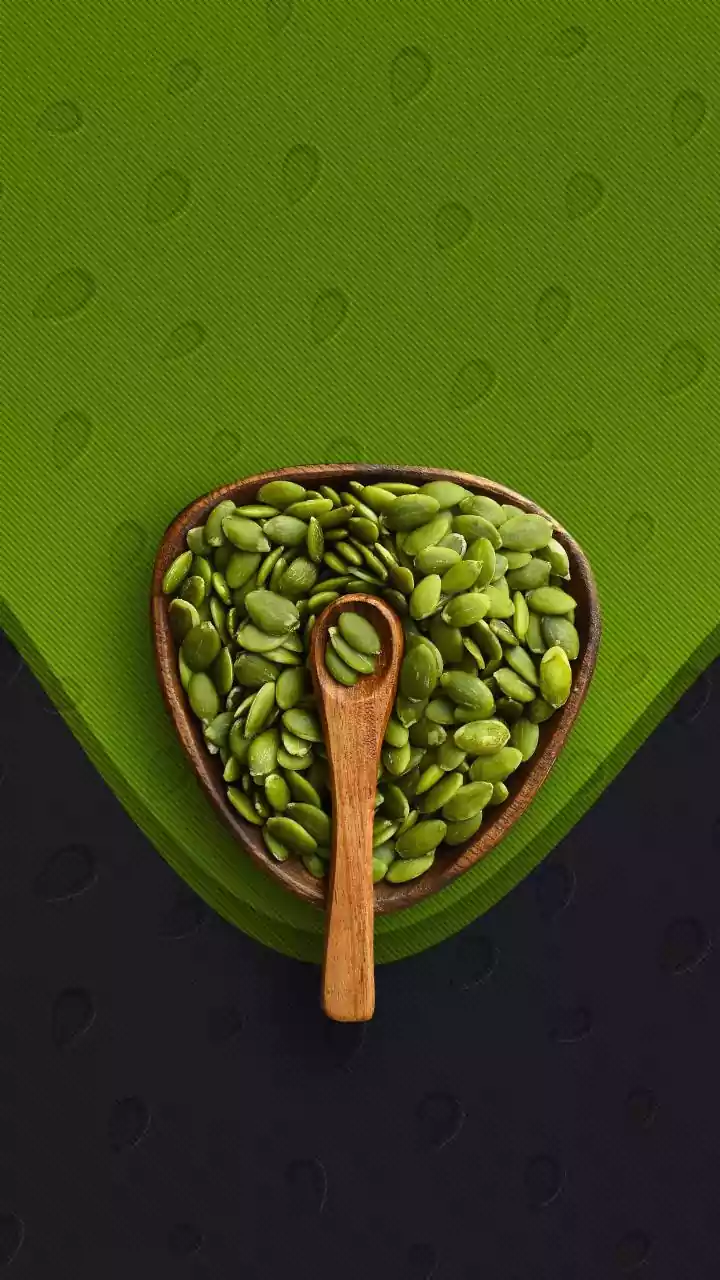
The days of mindless munching on fried snacks are fading. The healthy snacks market in India is projected to grow significantly, with consumers demanding options that are both tasty and nutritious. Roasted makhana (foxnuts), nuts, seeds, and protein bars are replacing traditional namkeen and biscuits. A key driver is the demand for high-protein, low-calorie options that provide functional benefits like sustained energy.
The Clean Label Movement
Shoppers are turning into detectives, carefully reading ingredient lists. The 'clean label' trend is all about transparency and simplicity. Consumers want products with fewer, recognisable ingredients and no artificial colours, flavours, or preservatives. This has pushed brands big and small to reformulate their products, from sauces to cereals, to meet the demand for more natural and less-processed foods.
High-Protein Everything
Protein is the macronutrient of the moment in India. Beyond just protein shakes for gym-goers, there's a huge demand for protein-fortified everyday foods. Think protein-rich breads, biscuits, and even atta. Greek yoghurt, with its higher protein content, is becoming a preferred alternative to traditional sweetened yoghurts. This trend is driven by a growing awareness of protein's role in satiety, muscle health, and overall wellness.
Fibre Gets Its Moment
While protein has been in the spotlight, dietary fibre is emerging as a wellness hero for 2026. Consumers are recognizing the importance of fibre for digestive health, blood sugar management, and feeling full. This has renewed interest in fibre-rich traditional foods like dals, legumes, and vegetables. Brands are also launching fibre-fortified snacks and ready-to-eat products to cater to this growing demand for what some are calling 'holistic metabolic health'.
Conscious Sweeteners
The war on sugar is real. Health-conscious Indians are actively seeking alternatives to refined white sugar. Nut butters are replacing sugary chocolate spreads, and natural sweeteners like jaggery and date syrup are gaining popularity. This extends to beverages as well, with a clear preference for drinks that are unsweetened or have low sugar content. The focus is on enjoying sweetness without the negative health impacts associated with processed sugar.
Sophisticated Non-Alcoholic Drinks
The mocktail has grown up. There's a rising trend of complex, well-crafted non-alcoholic beverages that offer the experience of a cocktail without the alcohol. Bartenders and brands are using house-made ferments like kombucha, high-quality teas, and botanicals to create sophisticated zero-proof drinks. This caters to a growing number of consumers who are sober-curious or simply want a more interesting and healthier option when socialising.