








Embrace the One-Route Philosophy
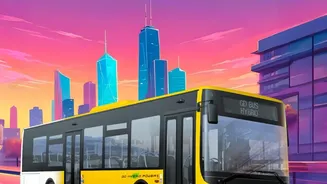
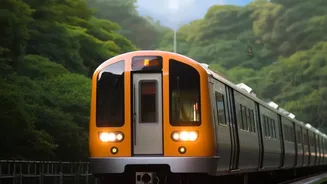
The core idea of a single-route holiday is to ditch the complex, multi-vehicle itineraries and instead, anchor your entire trip to a single, high-frequency transport line. This could be a coastal bus service, a city metro line that hits major attractions,
or a scenic local train. By making one reliable route your backbone, you simplify logistics, reduce decision fatigue, and spend more time exploring. This approach transforms your holiday from a series of logistical challenges into a seamless journey. You'll unpack once or twice, but explore a dozen places, all connected by a familiar thread. The goal is to minimise time spent in transit and maximise immersion in the places you visit.
How to Find Your Anchor Route
Your first step is research. Look for destinations known for excellent public transport or walkability. Cities like Mumbai and Delhi have extensive metro systems that make exploring vast urban areas straightforward. For a coastal vibe, consider Goa or Kerala, where local buses connect numerous beaches and towns along a single stretch of road. Once you have a region in mind, zoom in on the transport maps. Look for routes with frequent service (every 15-30 minutes is ideal), stops near attractions or natural sights, and good safety reputations. Many local transport authorities now have apps or websites to help plan your journey. Look for travel blogs or forums for firsthand accounts of using these routes. A well-chosen anchor route is the foundation of a successful car-free holiday.
Stay Light and Stay Mobile
A car-free holiday is a mobile one. You’ll be walking to bus stops, navigating train stations, and maybe even hopping on a local rickshaw. This is not the time for heavy, oversized luggage. A backpack or a small, wheeled suitcase is your best friend. Pack versatile clothing that can be layered and limit yourself to two pairs of shoes: one for comfortable walking and another for evenings. Use packing cubes to compress your belongings and keep them organised. A lightweight daypack is also essential for carrying water, snacks, a map, and a power bank while you're out exploring for the day. The less you carry, the more freedom you have to spontaneously hop off at an interesting stop or take a scenic detour on foot.
Mastering the Local Transit System
Navigating a new transport system can be intimidating, but a little preparation goes a long way. Before you arrive, find out how tickets are paid for. Is it cash on board, a contactless card, or a mobile app? Many metro systems in India have rechargeable smart cards that offer a small discount on fares. When you arrive, consider buying a multi-day pass if available. Don't be afraid to ask for help. Station attendants, bus conductors, and even fellow passengers are often willing to point you in the right direction. Keep a digital or physical copy of the route map handy. Using public transport isn't just about getting from A to B; it's an authentic travel experience that gives you a glimpse into the daily life of your destination.
Explore Beyond the Main Line
Your anchor route is your skeleton key, but the real gems are often found just off the beaten path. Use your primary bus or train stop as a launchpad for micro-explorations. The best way to do this is on foot. Many Indian cities, like Pondicherry, Kochi, and Gangtok, have incredibly walkable areas rich with history and charm. For slightly longer distances, embrace local last-mile transport. This could be an auto-rickshaw for a quick trip to a specific temple or a rented bicycle to explore a village. In Matheran, Asia's only automobile-free hill station, you can even explore via horseback or hand-pulled rickshaws. This blended approach gives you the efficiency of the main route and the freedom to discover hidden corners.