






The Contenders: What Are HIIT and LISS?
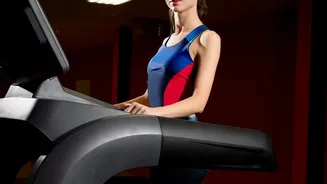
Before picking a side, it's important to understand the basics. HIIT stands for High-Intensity Interval Training. It involves short, all-out bursts of intense exercise followed by brief recovery periods. Think 30 seconds of sprinting, followed by 60 seconds of walking,
repeated for 15-20 minutes. The goal is to push your heart rate to at least 80% of its maximum capacity during the work intervals. On the other side is LISS, or Low-Intensity Steady-State cardio. This is a more traditional form of aerobic exercise where you maintain a consistent, moderate pace for a longer duration, usually 30 minutes or more. Examples include brisk walking, light jogging, swimming, or cycling at a pace where you could still hold a conversation.
The Time-Crunch Factor: Efficiency vs. Duration
For desk-bound employees, time is often the biggest hurdle. This is where HIIT shines. Workouts are incredibly time-efficient, with effective sessions lasting just 15 to 30 minutes. This makes it an ideal choice for squeezing in a workout during a lunch break or before the workday begins. LISS, by contrast, requires a greater time commitment to be effective, with sessions typically lasting 30 to 60 minutes or more. If your schedule is packed, the efficiency of HIIT is a major advantage. However, if you have more flexibility, the longer, less demanding nature of a LISS session might be more appealing.
The Goal: Fat Loss and Calorie Burn
Both methods are effective for fat loss, but they work in different ways. LISS is great at using fat as a primary fuel source during the workout itself. HIIT, on the other hand, burns more total calories in a shorter period and is famous for its “afterburn effect,” scientifically known as Excess Post-Exercise Oxygen Consumption (EPOC). This means your metabolism stays elevated for hours after you've finished exercising as your body works to recover and repair itself, burning extra calories in the process. While the afterburn isn't a magic bullet—it accounts for about 6-15% of the total calories burned—it adds up over time.
Injury Risk and Sustainability
This is a crucial consideration, especially for those new to exercise. LISS is gentle on the joints and nervous system, making it a safer starting point for beginners or individuals with pre-existing injuries. Its low-impact nature means you can do it more frequently with less risk of burnout or injury. HIIT is, by its nature, high-impact and demanding. The intensity can increase the risk of injury if your form isn't correct or if you don't allow for adequate recovery. Experts generally recommend no more than two to three HIIT sessions per week to allow your body time to repair. For many, the lower intensity of LISS makes it a more sustainable long-term habit.
So, Which One Is Right For You?
The best exercise is the one you will actually do consistently. Instead of seeing it as a competition, think about which style fits your personality, schedule, and goals. Choose HIIT if: You are short on time and need maximum efficiency. Your primary goal is to improve athletic performance and cardiovascular capacity quickly. You enjoy pushing your limits and thrive on intensity. Choose LISS if: You are a beginner or returning to exercise after a break. You prefer a lower-impact workout that is easier on your joints. You want to use exercise as a form of active recovery or stress relief. Many people find that the best approach is a combination of both. You can use HIIT for a quick, intense workout two days a week and supplement with longer LISS sessions on other days for active recovery and building endurance.