



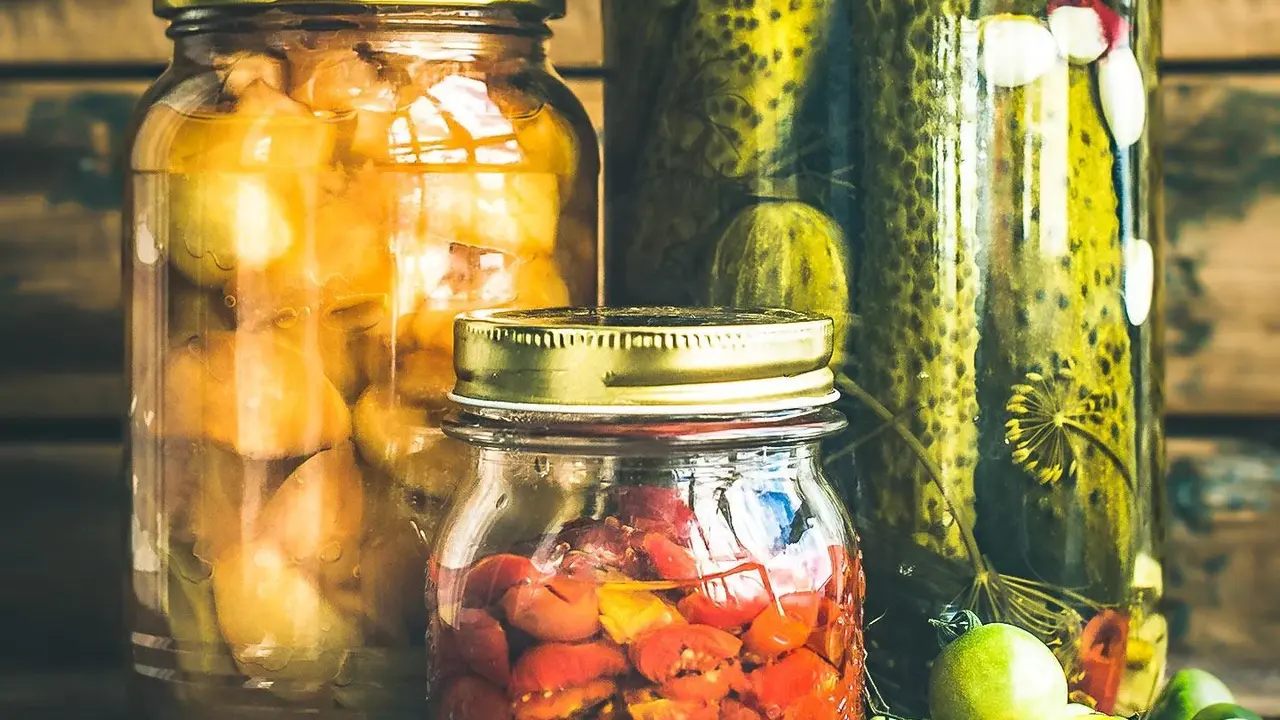

The Gut Health Renaissance
The resurgence of fermentation isn't just about nostalgia; it's driven by science. In an era focused on wellness, gut health has become a top priority. Fermented foods are natural sources of probiotics, the beneficial bacteria that support a healthy digestive
system. Research suggests that a balanced gut microbiome can aid digestion, enhance nutrient absorption, and even support immune function. This shift towards natural, probiotic-rich foods is leading many to trade store-bought supplements for homemade fermented vegetables, which are free from preservatives and full of life.
From Balcony to Countertop
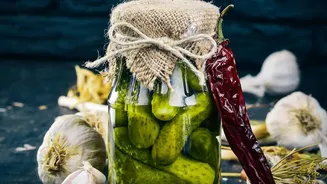
Traditionally, Indian pickling, or making achar, often involved large ceramic jars, copious amounts of oil or salt for preservation, and days or weeks under the sun. This process, while effective, can seem daunting in a modern urban apartment with limited space and time. The reinvention lies in simplification. The new method, known as lacto-fermentation, is perfectly suited for city living. It happens right on your kitchen counter in a simple glass jar, using only vegetables, salt, and water. This moves away from oil-based preservation and focuses on cultivating live, healthy bacteria.
Your Minimalist Fermentation Kit
Getting started with fermentation doesn't require a trip to a specialty store for fancy gadgets. You likely already have everything you need. The essential toolkit is refreshingly simple: a clean glass jar with a lid, fresh vegetables, non-iodised salt, and filtered or unchlorinated water. That's it. Chlorine in tap water can inhibit the growth of the good bacteria you want to encourage, so using filtered or boiled-and-cooled water is a key tip for success. This minimalist approach makes the entire process accessible and removes the intimidation factor that often accompanies traditional food preservation techniques.
A Simple Starter Recipe
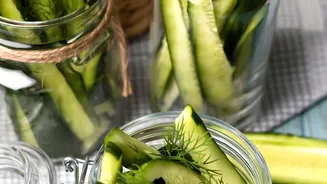
Ready to try? Let’s make a simple batch of fermented carrots and cauliflower. Start by washing and chopping your vegetables into bite-sized pieces. In a separate jug, create a brine by dissolving one tablespoon of non-iodised salt in two cups of filtered water. Pack your vegetables tightly into a clean glass jar, leaving about an inch of space at the top. You can add spices like mustard seeds, turmeric, or ginger slices at this stage. Pour the brine over the vegetables until they are fully submerged. Loosely cover the jar and leave it at room temperature for two to five days. You'll soon see bubbles, a sign that fermentation is underway. Taste it daily, and once it reaches a tanginess you like, seal the jar and move it to the fridge to slow the process.
New Twists on an Old Classic
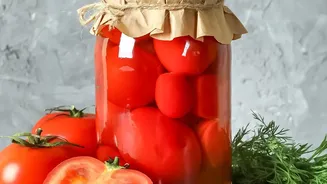
The real fun begins when you start experimenting. Urban kitchens have become labs for flavour. Think beyond traditional gajar-gobhi achar. Try fermenting green beans with dill, radishes with black pepper, or even create a probiotic-rich salsa with tomatoes, onions, and unripe mango. The base technique of lacto-fermentation is a canvas for creativity. Indian spices like cumin, fenugreek, and mustard seeds can be combined with a wide array of vegetables. These modern fermented foods are not just side dishes; they are being used to add a tangy, complex flavour to salads, sandwiches, and grain bowls, fully integrating this ancient practice into the modern diet.