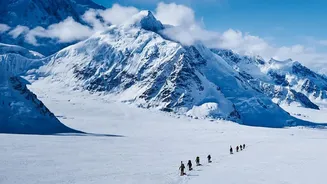

Choosing the Right Trek
Your first step is selecting a trek that matches your fitness and experience level. Winter conditions make every trail more challenging, so it's wise to start with a route graded as 'easy' to 'moderate'. Popular and well-regarded choices for beginners
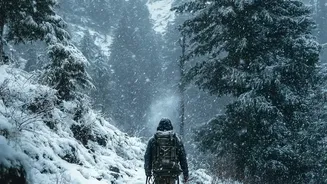
include the Kedarkantha, Brahmatal, Dayara Bugyal, and Kuari Pass treks in Uttarakhand. These treks generally range from 5 to 6 days and reach altitudes of around 12,500 feet. They offer the quintessential Himalayan winter experience—snow-covered forests, frozen lakes, and stunning summit views—without the extreme technical demands of high-pass expeditions. Research treks like Triund in Himachal Pradesh for shorter, 2-3 day options if you're new to trekking entirely.
Physical and Mental Preparation
Don't underestimate the physical demands of walking in the snow at high altitudes. Begin your fitness preparation at least 6-8 weeks before your trek. Focus on cardiovascular exercises like jogging, cycling, or swimming to build stamina for long walking days. Incorporate strength training, especially for your legs and core, to handle uneven terrain while carrying a backpack. Most importantly, prepare your mind. A positive outlook and resilience are crucial when facing cold temperatures and physical exertion. Remember that a winter trek is a marathon, not a sprint. The goal is to enjoy the journey safely.
Mastering the Art of Layering
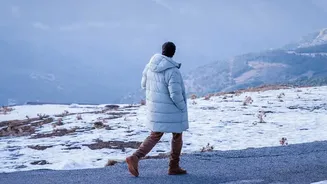
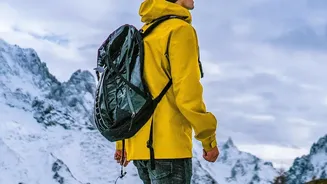
Staying warm and dry is non-negotiable. The key is not to wear one bulky jacket, but to dress in multiple layers that you can add or remove as your body temperature changes. Start with a moisture-wicking base layer (thermals) to keep sweat off your skin. Add a fleece jacket as a mid-layer for insulation. Your outermost layer should be a waterproof and windproof shell jacket to protect you from the elements. Similarly, wear waterproof trek pants over your thermals. Pack at least two to three pairs of woollen socks, a warm woollen cap or balaclava, and two pairs of gloves (a fleece pair and a waterproof outer pair). Good quality, waterproof trekking shoes with high ankle support are essential.
Selecting a Reputable Operator
For a first-timer, trekking with a professional and reputable company is the safest option. A good operator provides experienced guides, handles logistics, and has established safety protocols. When choosing, verify their credentials. Check if they are registered with the Ministry of Tourism or a recognized body like the Adventure Tour Operators Association of India (ATOAI). Ask about the qualifications of their trek leaders—they should be certified in first aid and ideally have mountaineering certifications. Ensure their safety equipment includes oxygen cylinders, a comprehensive first-aid kit, and a pulse oximeter for monitoring blood oxygen levels. Read reviews and don't let low cost be your only deciding factor; safety and experience are worth the investment.
Staying Safe on the Snowy Trail
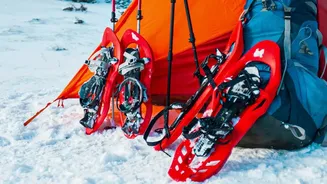
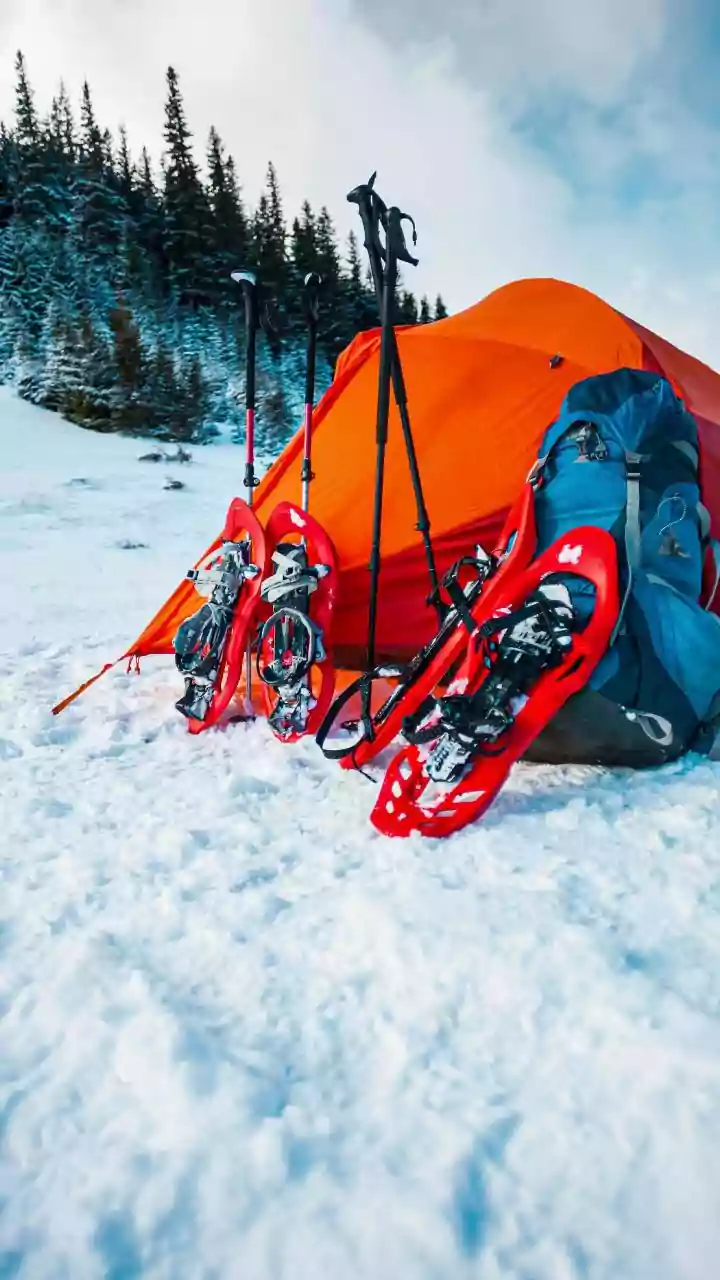
Once you're on the trek, your safety depends on smart decisions. The biggest risk at high altitude is Acute Mountain Sickness (AMS). Symptoms include headache, nausea, dizziness, and loss of appetite. If you feel any of these, inform your guide immediately. The primary treatment is to rest and not ascend further; if symptoms worsen, immediate descent is required. Prevention is key: walk slowly ('climb high, sleep low' is the mantra), stay hydrated by drinking plenty of water, and avoid alcohol. Listen to your body and your guide. Using trekking poles can help with stability on snowy or icy patches, and UV-protection sunglasses are crucial to prevent snow blindness.