





Paw Care: Your First Line of Defence
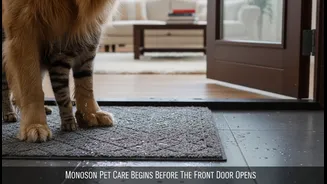
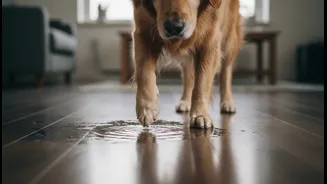
Your pet's paws are in constant contact with wet, muddy surfaces, making them vulnerable to infections. Puddles can harbour harmful bacteria and parasites that lead to nasty skin issues. Make it a rule to clean and dry your pet’s paws thoroughly after
every walk. Use lukewarm water and a soft cloth, paying close attention to the area between the toes where moisture can get trapped and cause fungal growth. Inspect their paw pads for any cuts or redness. A good wipe-down prevents them from tracking dirt into the house and protects their health.
A Dry and Cosy Den
Just as clean paws are essential, a dry sleeping area is non-negotiable. Damp bedding is a breeding ground for fungi and bacteria, which can cause skin infections and a musty odour. High humidity can also aggravate joint pain in older pets. Ensure their bed is in a well-ventilated part of the house, away from leaks or damp walls. Wash their bedding more frequently during the monsoon and make sure it is completely dry before use. Providing a clean, dry, and comfortable resting place is crucial for their overall well-being.
Skin and Coat Vigilance
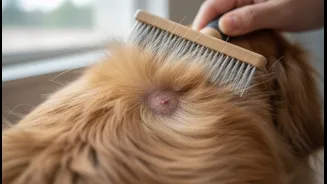
The constant humidity during the monsoon can wreak havoc on your pet's skin and coat. Trapped moisture is a primary cause of fungal and bacterial skin infections, often called 'hot spots'. Symptoms include excessive scratching, redness, hair loss, or a bad odour from the coat. Brush your pet daily to improve air circulation to the skin and remove loose fur. It's best to bathe them less frequently during this season, as over-bathing can strip natural oils that protect their skin. When you do give them a bath, ensure they are dried completely, using a towel and a blow-dryer on a low-heat setting if necessary.
Dietary Adjustments for Better Immunity
A pet’s dietary needs can change during the monsoon. Reduced physical activity may mean they need fewer calories to prevent weight gain. This is also the time to focus on immunity-boosting foods. Providing fresh, easily digestible meals is key. Home-cooked food like boiled chicken, pumpkin, and rice can be gentle on the stomach. Avoid leaving wet or home-cooked food out for too long, as it can spoil quickly in the humid weather. Ensure they always have access to fresh, clean drinking water, as stagnant water can be a source of disease. Consider boiling their drinking water as an extra precaution.
Battling Ticks, Fleas, and Other Pests
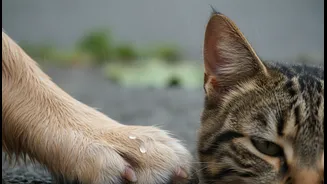
The monsoon is peak breeding season for ticks, fleas, and mosquitoes. These parasites are not just a nuisance; they can transmit serious illnesses like tick fever. Stay diligent with your pet's regular tick and flea prevention programme as advised by your vet. Check their coat and skin daily for any signs of parasites, especially around the ears, neck, and paws. Keeping your home and your pet's living area clean also helps in keeping these pests at bay.
Indoor Fun to Beat the Gloom
With outdoor walks and playtime restricted, pets can get bored and restless. This pent-up energy might lead to destructive behaviours like chewing or excessive barking. Keep them mentally and physically stimulated with indoor activities. Games like hide-and-seek with treats, tug-of-war with a sturdy toy, or sessions with puzzle feeders are excellent options. You can also use this time to teach them new tricks. These activities strengthen your bond and ensure your pet stays active and engaged, even when stuck indoors.