

Why One-Pot Cooking Is a Game-Changer
The magic of a one-pot meal lies in its efficiency and flavour infusion. By cooking grains, lentils, vegetables, and proteins together in a single vessel, you drastically reduce both preparation time and the number of dishes to wash. This method isn't
a shortcut that compromises on taste; it actually enhances it. As the ingredients simmer together, their flavours meld, creating a depth and richness that can be hard to achieve with separate components. The rice absorbs the spices, the vegetables release their sweetness into the broth, and every spoonful becomes a perfectly balanced bite. It’s a traditional approach, long-practiced in Indian households, that is more relevant than ever for modern, fast-paced lives.
The Essential Tools for Success
You don’t need an arsenal of new equipment to start. The most valuable tool in an Indian kitchen for one-pot meals is the pressure cooker or its modern cousin, the Instant Pot. These appliances are perfect for cooking lentils, rice, and even curries in a fraction of the time, all while trapping flavour and aroma. Beyond the pressure cooker, a heavy-bottomed kadai or a deep pan is essential. A good-quality pot distributes heat evenly, which is crucial for building the flavour base—like slowly caramelising onions—without burning the ingredients. This prevents hotspots and ensures everything cooks at a steady pace, which is key for dishes that simmer over time.
Mastering the One-Pot Technique
The foundation of most one-pot Indian dishes is layering flavours correctly. Start by heating ghee or oil and blooming your whole spices, like cumin or mustard seeds, in a technique known as tadka or tempering. Next, sauté your aromatics—typically onion, ginger, and garlic—until they soften and turn golden. This step is vital and shouldn't be rushed, as it builds the primary flavour base. Then, add your ground spices such as turmeric and chili powder, followed by vegetables or protein. Finally, add your rinsed grains or lentils and the required amount of water or broth. Bring the mixture to a boil, then reduce the heat, cover, and let it simmer until everything is cooked through. The pot does the rest of the work.
One-Pot Dishes to Inspire You
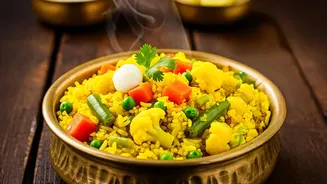
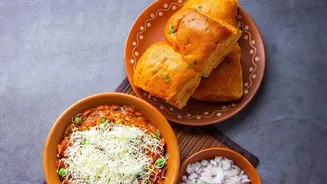
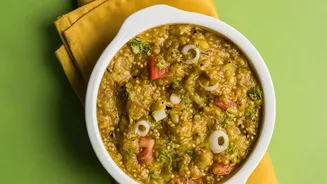
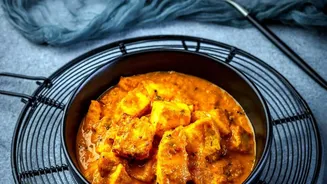
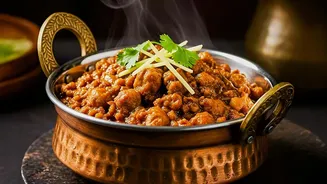
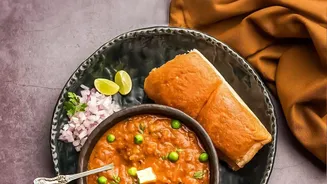
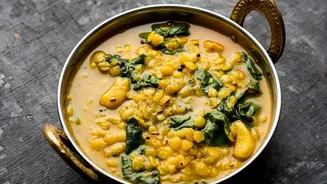
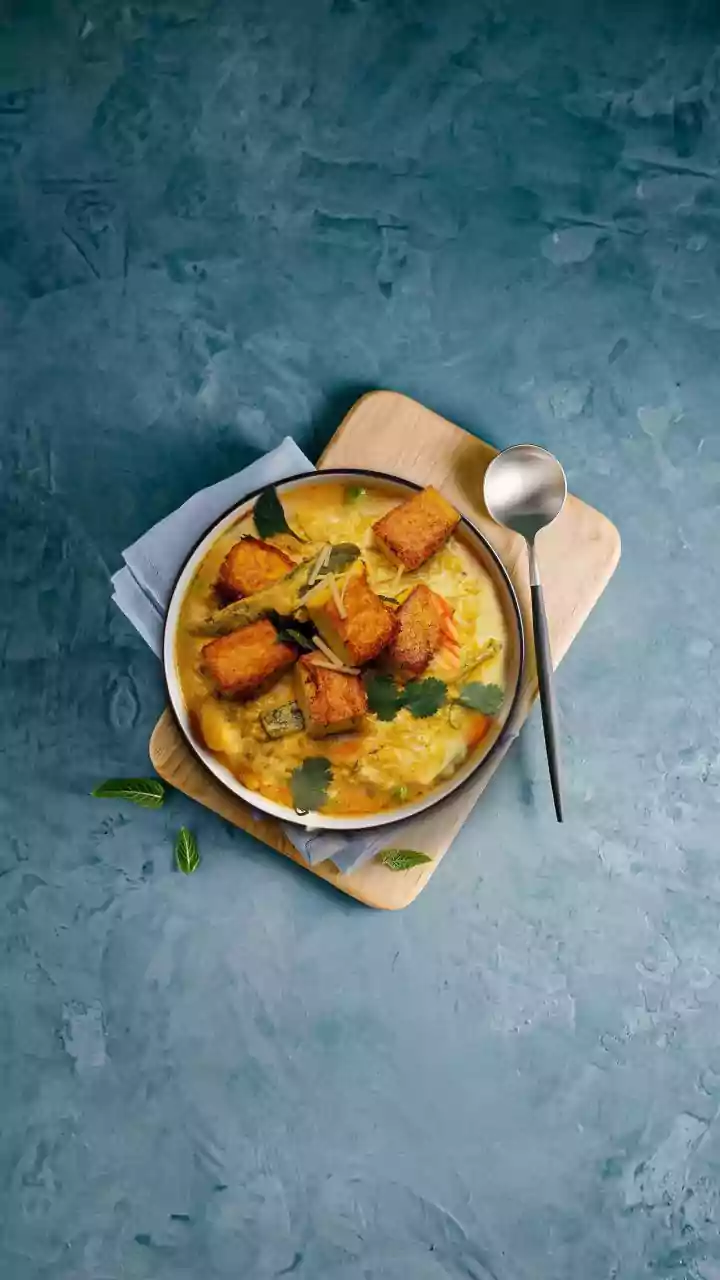
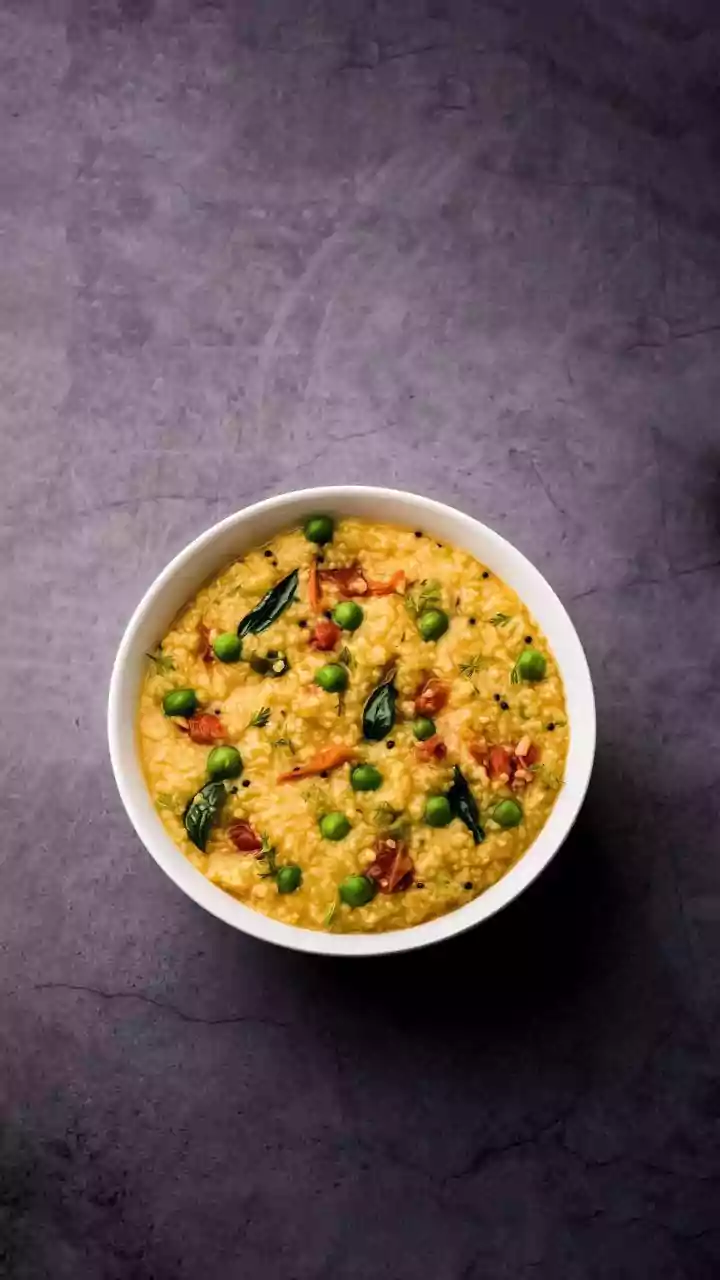
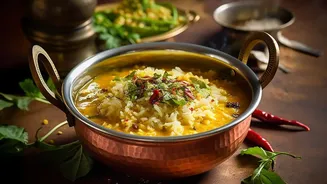
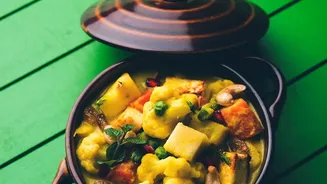
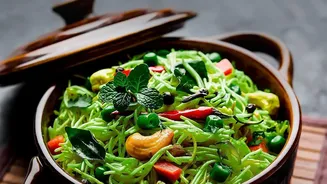
The most iconic Indian one-pot meal is Khichdi, a comforting mix of rice and lentils that is both nourishing and easy to digest. Often considered a simple meal, it can be elevated with vegetables and spices into a hearty dinner. Another classic is Tehri or Pulao, where fragrant basmati rice is cooked with mixed vegetables and aromatic whole spices. For a South Indian flavour, Bisi Bele Bath from Karnataka is a complex and satisfying dish made with rice, lentils, vegetables, and a special spice powder. Don’t forget about curries; a simple Rajma (kidney bean curry) or even a quick Chicken Curry can be prepared in a single pressure cooker, saving you time and effort.
Tips for Maximum Flavour
A common concern with one-pot meals is that they might taste diluted. To avoid this, ensure your spice foundation is strong. Don't be afraid to be generous with your aromatics and use good-quality, fresh spice powders. A well-made garam masala, stirred in at the end of cooking, can lift the entire dish with its warm aroma. Adding a variety of vegetables not only boosts nutrition but also adds layers of texture and flavour. Finally, a simple finishing touch can make all the difference. A drizzle of ghee, a squeeze of fresh lime juice, or a generous sprinkle of chopped fresh coriander can brighten up the flavours and make your simple weeknight meal feel special.