








More Than Just a Hot Day
First, let's be clear what a 'red alert' from the India Meteorological Department (IMD) actually signifies. It is not merely a statement about discomfort. A red alert is a formal warning of an extreme heat event with a "very high likelihood of developing
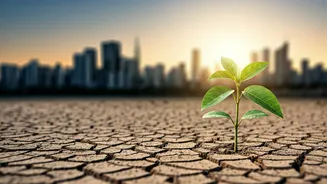
heat illness and heat stroke in all ages". It is issued when a severe heatwave has persisted for more than two days, often when the maximum temperature is 6.4°C or more above normal. In places like Delhi, this has recently meant 'feels-like' temperatures soaring past 50°C. This is a medical warning, not just a weather report. It signals a direct and present danger to human health, urging extreme care. When the state's highest scientific body tells you to take action, ignoring it is a form of negligence.
The Commute is a Crucible
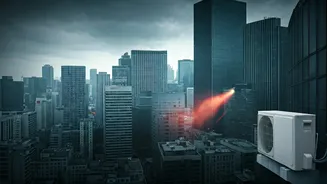
For the millions of office-goers in India, the most perilous part of a heatwave day isn't spent in an air-conditioned office; it's the journey to and from it. The evening commute, often between 4 p.m. and 7 p.m., coincides with dangerously high temperatures. Workers are packed into buses, trains, or stuck in traffic, where the ambient heat is magnified. For those on two-wheelers or waiting for public transport, there is direct, prolonged exposure to the sun. This journey transforms from a daily routine into a gauntlet of health risks, including dehydration, heat exhaustion, and potentially fatal heat stroke. Extreme heat also stresses infrastructure, leading to delays and breakdowns that extend this dangerous exposure. An early exit isn't about convenience; it's about reducing the time citizens spend in this hazardous daily crucible.
Productivity vs. Presenteeism
The argument against flexible hours during heatwaves often centres on productivity. This is a flawed, outdated view of work. The culture of 'presenteeism'—being at your desk regardless of your physical or mental state—is counterproductive. Cognitive function and mental acuity plummet in extreme heat. A workforce battling heat stress, worrying about the commute home, and physically drained is not a productive one. In fact, studies suggest that extreme heat could cause a loss of up to 4.5% of India's GDP by 2030 due to reduced productivity and other impacts. Forward-thinking companies are already adapting. Some have started to encourage work-from-home, flexible hours, and have restricted outdoor work during peak heat. This isn't charity; it's a smart business strategy that prioritises employee well-being, which is the cornerstone of sustainable productivity.
A Patchwork of Inconsistent Policies
Currently, our response to this escalating crisis is a jumble of advisories and recommendations. The central government and state bodies like the Delhi government issue guidelines, often focused on outdoor labourers, urging employers to reschedule work hours and provide rest. While commendable, these are often just advisories with little to no enforcement mechanism for the vast private sector workforce. This leaves the decision to individual companies, creating a deeply inequitable system. An employee's safety shouldn't depend on their manager's whim or their company's HR policy. We have precedent for coordinated action; during Delhi's winter pollution peaks, measures like 50% work-from-home and staggered office timings have been implemented. A similar, standardised protocol for red alert heat days is now an urgent necessity.
A Simple, Life-Saving Solution
The solution is simple, logical, and low-cost. On days when the IMD issues a red alert for a specific region, a directive should be triggered for offices to allow employees to leave by 3 p.m. This small shift allows commuters to travel before the absolute peak of late afternoon heat, reducing their risk of heat-related illness. It acknowledges the scientific reality of the alert and translates it into a concrete, protective action. It is a proactive, rather than reactive, measure. We mandate closures for extreme rain and flooding; it is time we treated extreme heat with the same seriousness. This isn't about shutting down the economy, but about adapting our work patterns to a new and dangerous climate reality. It’s about ensuring that a day’s work doesn’t come with the risk of a medical emergency.