
The Worsening Crisis of Coral Bleaching
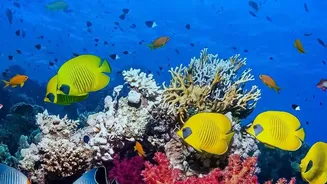
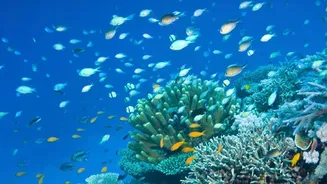
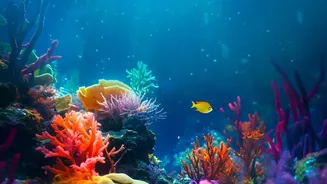
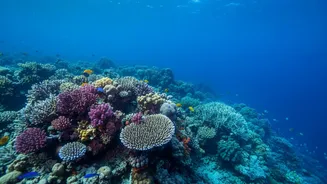
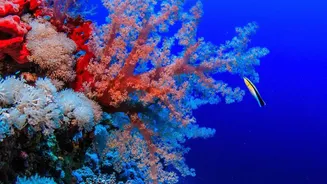
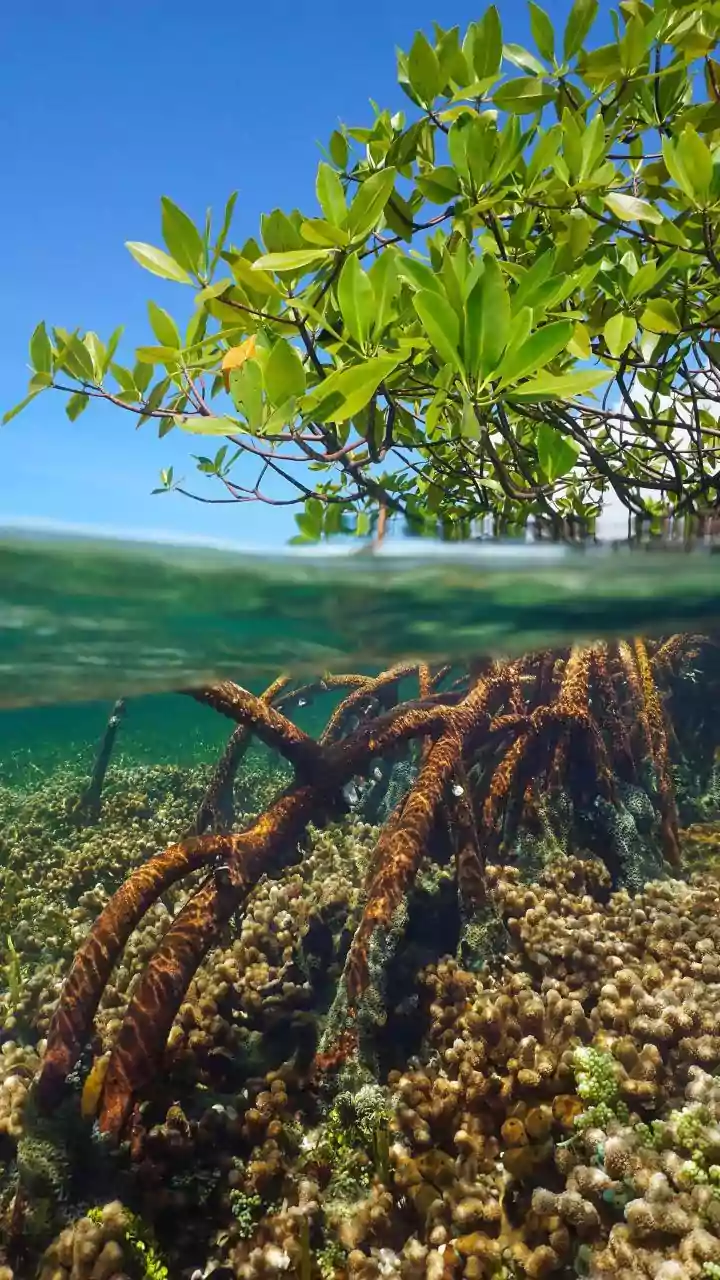
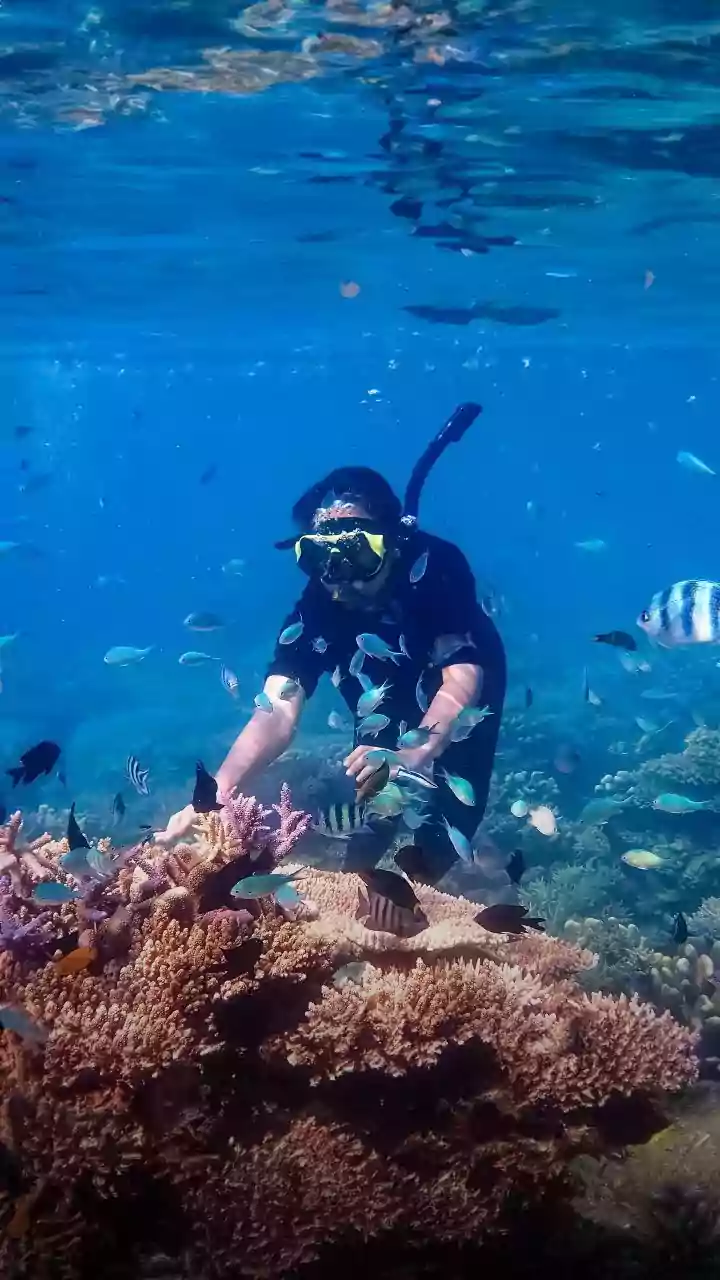
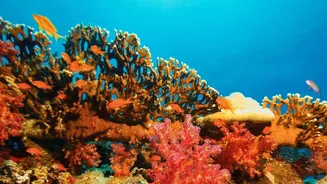
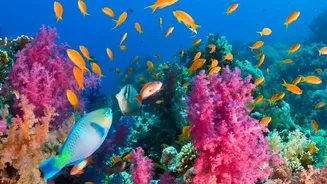
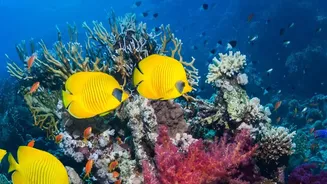
Coral reefs, often called the rainforests of the sea, support about 25% of all marine life. They are vibrant ecosystems built by tiny animals that secrete calcium carbonate skeletons. These corals live in a symbiotic relationship with algae that provide
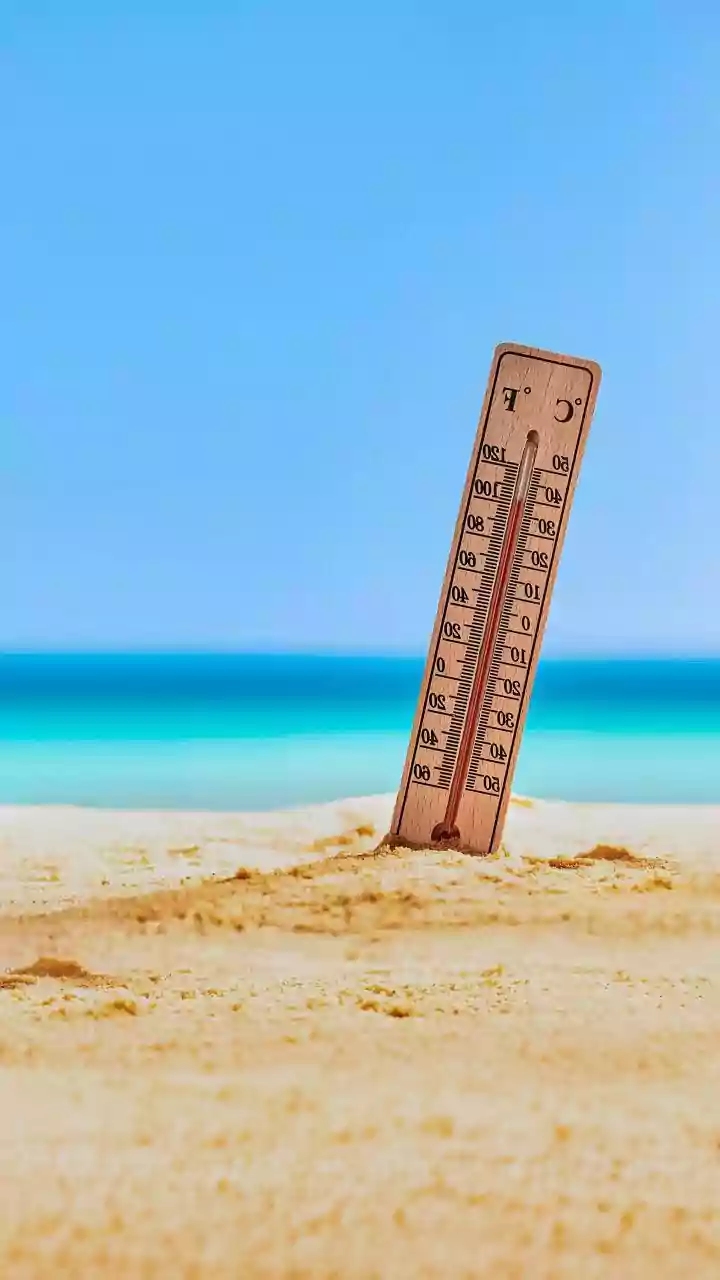
them with food and their spectacular colours. However, as climate change warms the oceans, prolonged heat waves cause corals to expel these vital algae. This process, known as coral bleaching, leaves them bone-white and starving. If temperatures do not return to normal, the corals die, causing the entire reef ecosystem to collapse. This has devastating consequences for marine biodiversity and the hundreds of millions of people who rely on reefs for food, income, and coastal protection.
Finding Hope in 'Super Corals'
Amid the grim forecasts, scientists have found a reason for optimism: not all corals succumb to heat. Some species and even individual colonies are naturally more tolerant of higher temperatures. These 'super corals' can survive conditions that would bleach their neighbours. This natural variation in heat tolerance has a strong genetic basis, meaning the trait can be passed down to future generations. Researchers have found these resilient corals in various locations, from shallow pools that heat up quickly at low tide to regions like the Red Sea's Gulf of Aqaba, known for its extreme temperatures. The existence of these hardy corals provides a crucial opportunity. If scientists can identify and understand them, they could be used to help restore and future-proof reefs against inevitable warming.
The High-Tech Hunt for Heat Resistance
Mapping these resilient corals is a complex task that combines fieldwork with advanced lab techniques. One key method involves collecting small coral fragments and subjecting them to rapid heat stress tests in controlled aquarium tanks. Scientists carefully raise the water temperature and monitor how the corals perform, noting the exact temperature at which they begin to bleach. This allows them to quantify the heat tolerance of individual colonies. At the same time, researchers sequence the DNA of both the coral and its symbiotic algae. This genetic analysis helps them pinpoint the specific genes or genetic markers associated with higher heat tolerance. By linking a coral's physical performance in stress tests to its genetic makeup, scientists can create a blueprint for what makes a coral resilient.
From Lab Data to a Global Map
The information gathered from stress tests and genetic sequencing is used to create detailed maps that show the location of the most heat-tolerant corals. This effort is being scaled up globally. Recent projects, like the 50 Reefs+ study, have combined tens of thousands of field surveys with satellite imagery and artificial intelligence to identify vast areas of reef with a higher chance of surviving climate change. These analyses consider factors like historical temperature patterns, ocean currents, and reef connectivity. This large-scale mapping helps conservationists and governments pinpoint which reefs are the most critical to protect. One study identified over 64,000 square miles of resilient reefs, providing a clear, data-driven guide for where to focus conservation resources.
A Blueprint for Restoration and Resilience
Identifying and mapping these corals is not just an academic exercise; it is the foundation for proactive conservation strategies. One promising approach is 'assisted evolution', which aims to accelerate natural adaptive processes. This involves selectively breeding heat-tolerant parent corals in nurseries to produce offspring that are better equipped to handle warmer waters. These lab-grown, resilient corals can then be outplanted to damaged reefs, helping to repopulate them with tougher stock. By seeding reefs with corals known to have superior heat tolerance, scientists hope to increase the overall resilience of the ecosystem, creating a 'bank' of hardy corals that can help reefs persist through future heat waves.
Challenges and the Ultimate Goal
While this research offers significant hope, it is not a silver bullet. The scale of the problem is immense, and it is unlikely that restoration efforts can be deployed everywhere they are needed. Moreover, these interventions are designed to buy time, not solve the root problem. Scientists emphasize that the long-term survival of coral reefs depends entirely on global efforts to curb carbon emissions and stabilize ocean temperatures. Local threats like pollution and destructive fishing also need to be managed, as they can undermine a reef's natural resilience. The mapping of heat-resistant corals is a powerful tool in our conservation arsenal, but it must be combined with comprehensive action on climate change to give these vital ecosystems a fighting chance for the future.