







Start with a Waterproof Foundation
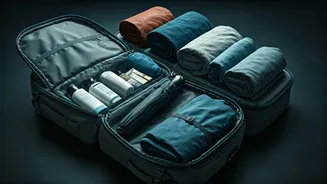
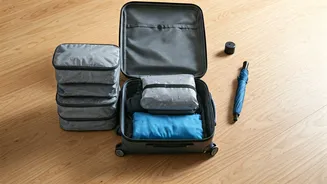
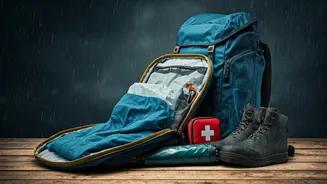
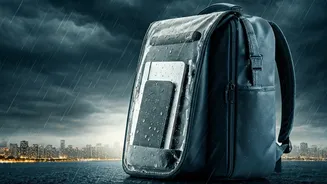
Your packing strategy begins with your bag. While a hard-shell suitcase offers decent protection, a waterproof backpack is your best bet for mobility and keeping things dry. Look for bags made from materials like treated nylon or PVC. If you’re using
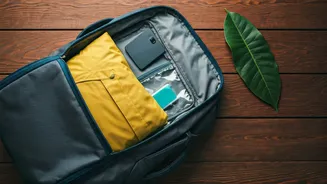
a standard backpack or suitcase, a high-quality, full-coverage rain cover is non-negotiable. For an extra layer of security, invest in a few 'dry bags'—the kind used for kayaking or rafting. Use them inside your main luggage to compartmentalise and create a foolproof barrier for your most precious items like electronics, documents, and a change of clothes.
Rethink Your Wardrobe: Fabric is Everything
This is the golden rule of monsoon packing: leave the cotton and denim at home. These fabrics absorb moisture, take forever to dry, and can develop a musty odour. Instead, build your travel wardrobe around quick-drying synthetic fabrics. Think polyester, nylon, and rayon blends. They are lightweight, wrinkle-resistant, and will dry overnight in a hotel room. For cooler evenings in the hills, a thin fleece or merino wool layer is far superior to a bulky cotton sweatshirt. Pack dark-coloured clothing to better hide mud splashes and stains. The goal isn't to never get wet, but to dry off quickly when you do.
Choose Your Footwear Wisely
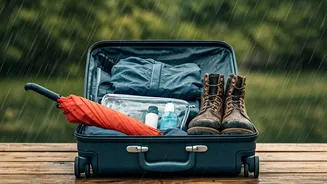
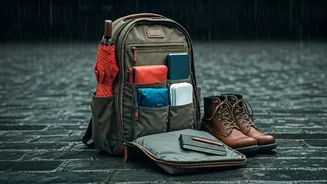
The wrong shoes can ruin a monsoon trip. Leather shoes will be destroyed by the constant dampness, and canvas sneakers will become heavy, squelchy messes. Your best friends will be rubber-soled floaters, Crocs-style clogs, or waterproof sandals. They provide grip on slippery surfaces, can be washed easily, and dry in minutes. Avoid flip-flops for walking long distances as they offer poor grip and support. It's always a good idea to pack a second pair of footwear. This allows one pair to dry completely while you use the other, preventing fungal infections and blisters.
Create a Fortress for Your Electronics
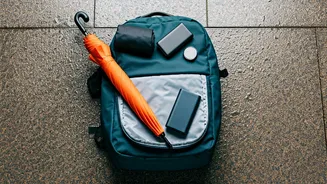
Water is the mortal enemy of your gadgets. The humble zip-lock bag is a good first line of defence for your phone, charger, and power bank, but it’s worth upgrading to dedicated waterproof pouches. These often come with lanyards, so you can keep your phone accessible for photos without risking a drop into a puddle. For laptops and cameras, a padded, waterproof sleeve is essential. A clever trick is to toss a few silica gel packets (the kind you find in new shoe boxes) into your electronics bag. They absorb ambient moisture and help prevent condensation from forming inside your devices.
Assemble a Monsoon-Specific Health Kit
Your standard first-aid kit needs a few monsoon-specific additions. The increased humidity and standing water lead to a surge in mosquitoes, so a strong insect repellent is your most important item. Also include antiseptic wipes, waterproof plasters, and an anti-fungal powder or cream for your feet. Given the higher risk of waterborne illnesses, it's wise to carry water purification tablets or a bottle with a built-in filter, especially if you're trekking or visiting rural areas. Pack medication for common stomach ailments as a precaution.
An Umbrella Isn’t Always the Answer
While an umbrella is useful for a short dash from a car to a building, it can be cumbersome on crowded streets, windy coastlines, or hiking trails. A good-quality, lightweight poncho or raincoat is often a more practical choice. It keeps your whole upper body and often your backpack dry, while leaving your hands free to navigate, hold your phone, or carry another bag. Look for one that is 'breathable' to avoid feeling sweaty and clammy underneath.