

The Principle of Sattvic Eating
The foundation of Janmashtami fasting food, or 'vrat ka khana', lies in the principle of a sattvic diet. This ancient concept encourages foods that are pure, light, and calming to the mind, promoting spiritual clarity and focus. The goal is to purify
the body and mind to better connect with spiritual practices during the festival. Therefore, foods considered 'rajasic' (stimulating) or 'tamasic' (dulling), such as onions, garlic, and overly processed items, are strictly avoided.
Grains and Pulses to Avoid
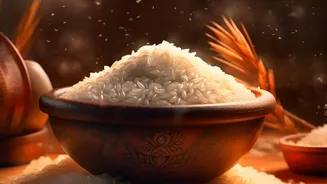
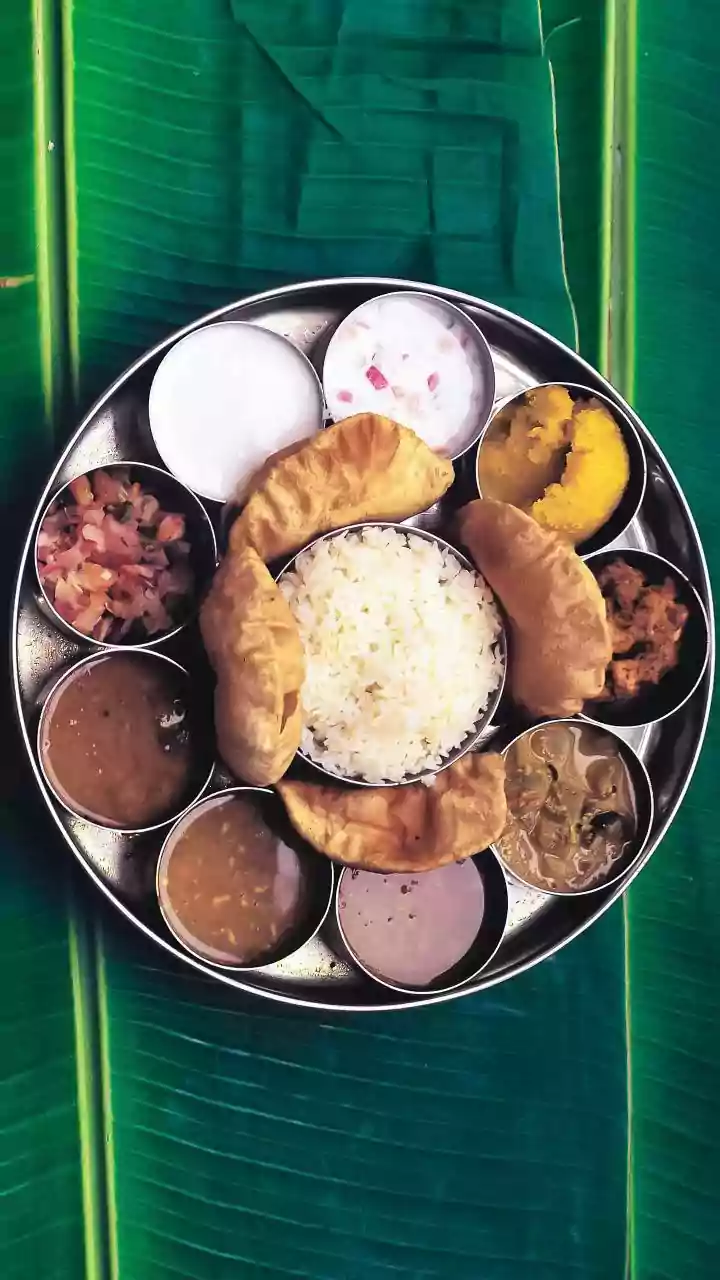
One of the most important rules of a Janmashtami fast is the complete avoidance of regular grains and lentils. This includes wheat, rice, oats, and all types of dal (pulses like chickpeas and beans). According to some scriptural traditions, consuming grains on this sacred day is discouraged as it is believed to attract negative energies and distract the mind from devotion. This is why you will not find regular rotis, rice dishes, or dal on a vrat menu.
Approved Flours and Pseudo-Grains
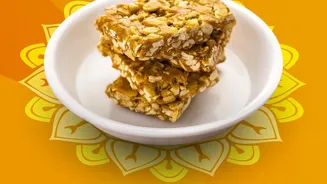
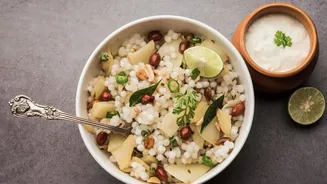
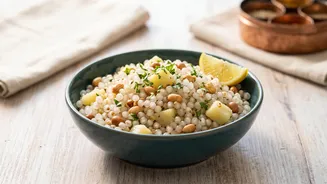
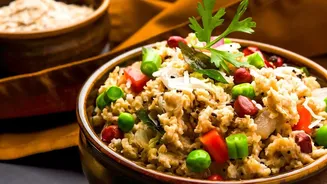
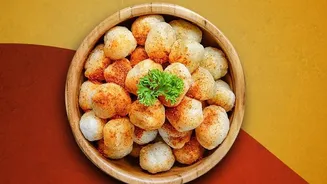
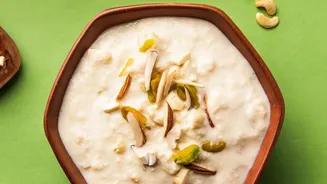
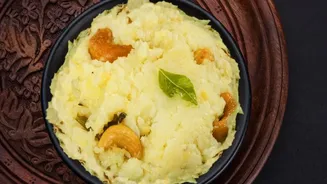
So, what replaces wheat and rice? A special category of flours and pseudo-grains forms the base of many vrat dishes. These include Singhare ka Atta (water chestnut flour), Kuttu ka Atta (buckwheat flour), and Rajgira ka Atta (amaranth flour). Other permitted starches are Sabudana (tapioca pearls) and Samak Ke Chawal (barnyard millet), which are used to make popular dishes like khichdi, kheer, and vadas. These ingredients are not classified as true cereal grains and are therefore considered acceptable for fasting.
Vegetables: What’s In and What’s Out
Not all vegetables are permitted during the fast. The approved list generally includes potatoes, sweet potatoes, pumpkin, bottle gourd (lauki), cucumber, and raw banana. Tomatoes are also widely used. However, onions and garlic are strictly forbidden as they are considered tamasic, or foods that create dullness and agitation. Some traditions may also advise against other vegetables like brinjal, radish, and carrots. It is always a good idea to follow the specific customs of your family.
Spices and Seasonings
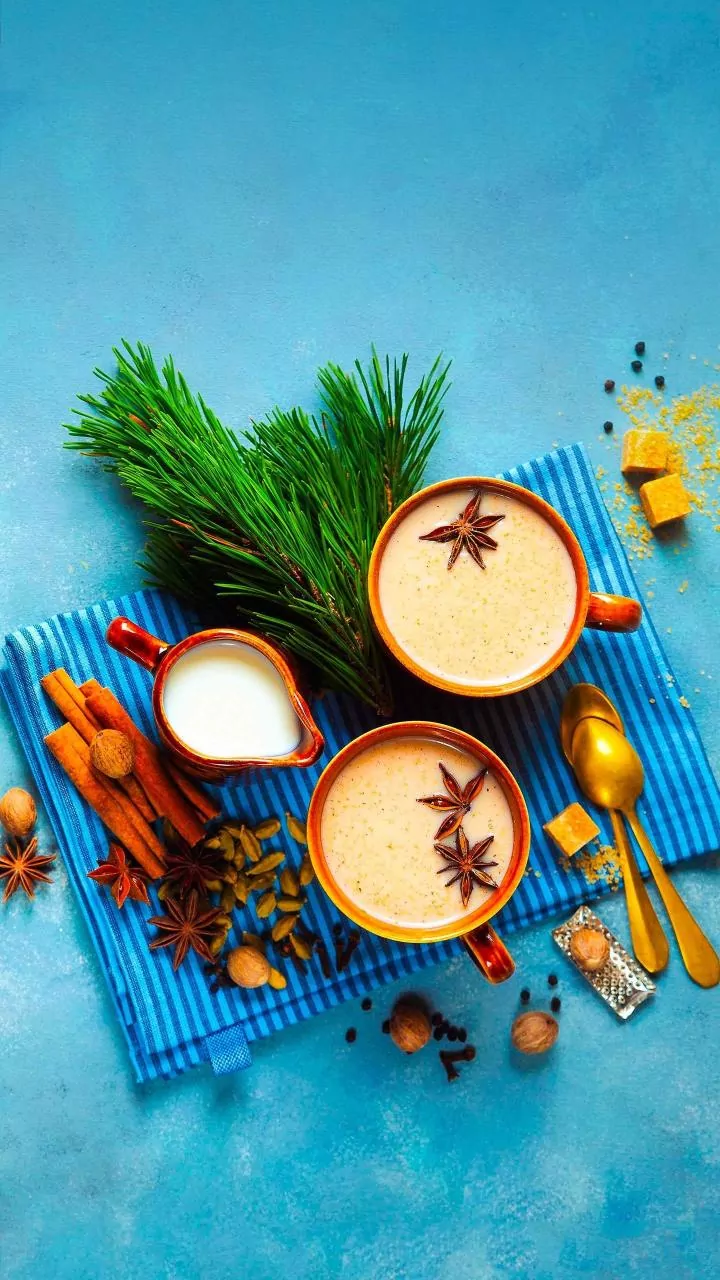
Flavor is not forgotten during the fast, but the spice palette is limited. Regular table salt is replaced with Sendha Namak, or rock salt. This is the only salt permitted for vrat cooking. Other approved spices include black pepper (kali mirch), cumin (jeera), green chillies, and ginger. Spices like turmeric and asafoetida (hing) are generally avoided.
Dairy, Fruits, Nuts, and Sweeteners
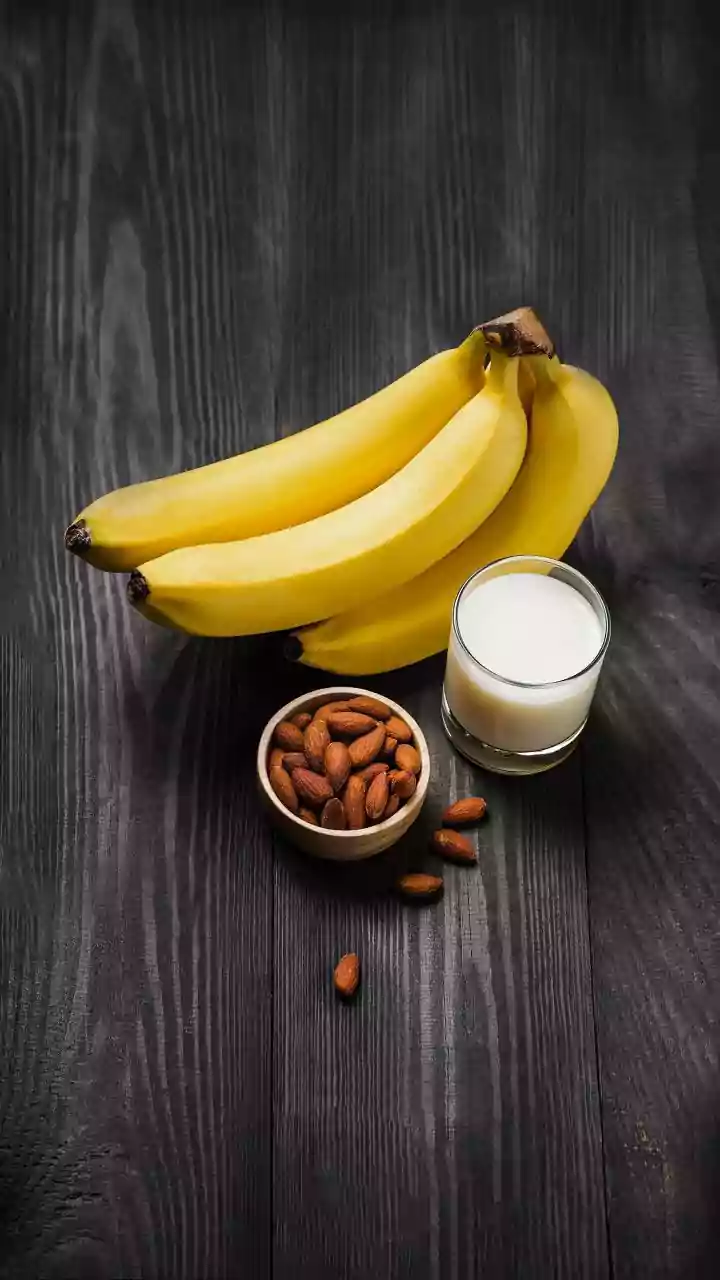
Dairy products are a cornerstone of the Janmashtami fast. Milk, curd (yoghurt), paneer, and ghee are all permitted and used generously. All fresh fruits are allowed and are a popular choice for those observing a lighter 'phalahar' fast. Nuts and dry fruits like almonds, cashews, and makhana (fox nuts) are also excellent for maintaining energy levels. For sweetness, refined sugar can be replaced with honey or jaggery in many preparations.