



The Magic and Caution of Late-Monsoon Rafting
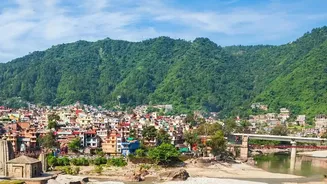
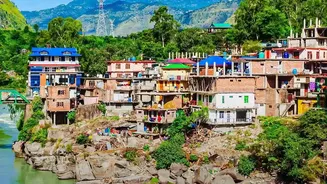
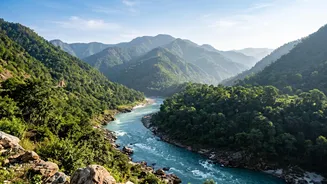
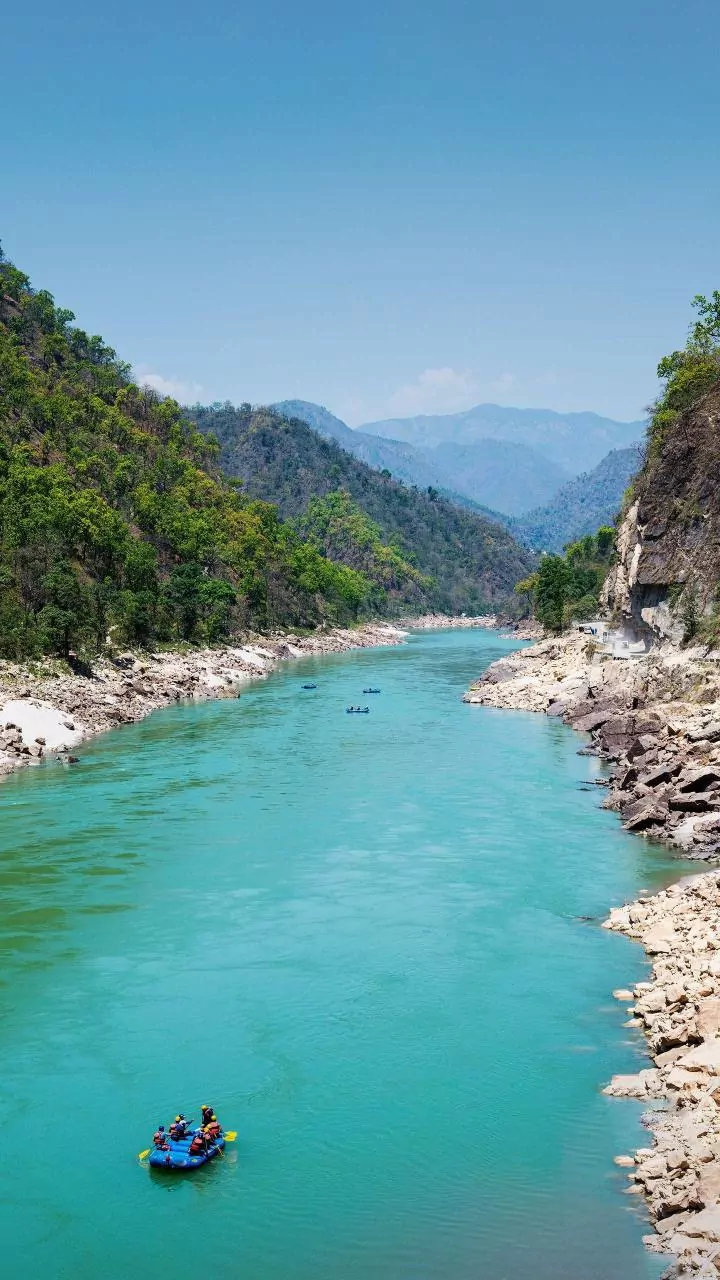
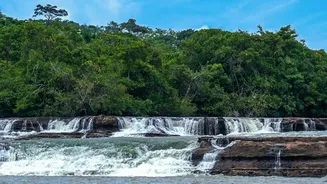
Rishikesh transforms after the monsoon. The hills are vibrant green, the air is clean, and the Ganga flows with renewed vigour. This makes late September and October a visually stunning time to raft. However, “late monsoon” means the season is just beginning
after a temporary halt for safety reasons. While commercial rafting is suspended during peak monsoon (July-August) due to dangerous water levels, it officially reopens once the flow is deemed safe by authorities, typically in mid-to-late September. As a first-timer, this means you get the post-monsoon beauty with a current that’s still excitingly strong. The key is to be aware that conditions are dynamic, making the choice of a professional operator more critical than ever.
Choosing Your First Adventure: Routes and Rapids
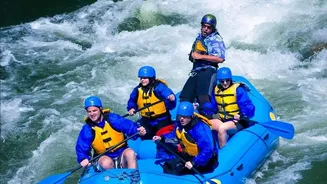
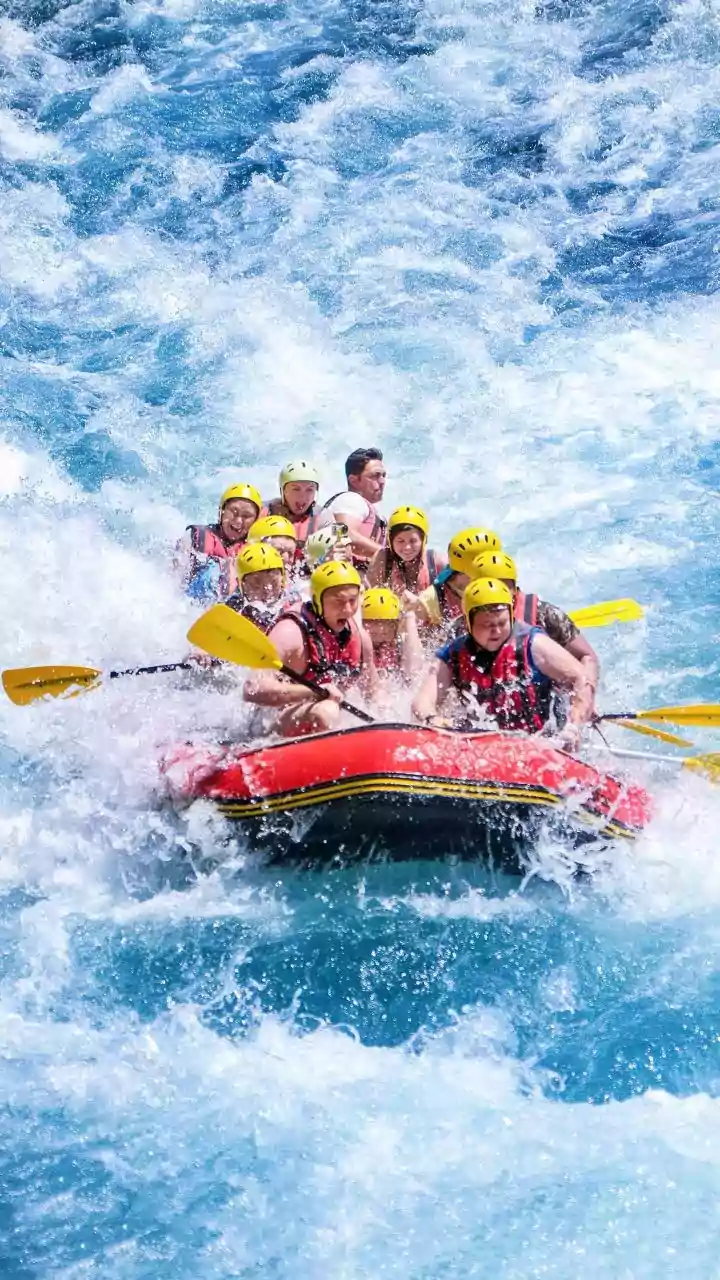
Rishikesh offers several rafting stretches, each with a different level of difficulty defined by rapid grades. For beginners, it's essential to start with a route that matches your comfort level. The Brahmpuri to Rishikesh stretch is the most recommended for first-timers and families. Spanning about 9 km, it features gentle Grade I and II rapids and takes around 1.5 to 2 hours. This route provides a perfect introduction without being overwhelming. A popular step-up is the 16 km stretch from Shivpuri, which includes more exciting Grade II and III rapids like Roller Coaster and Golf Course, taking about 3 hours. As a beginner, you should avoid the longer, more intense stretches from Marine Drive or Kaudiyala, which are meant for experienced rafters.
Safety First: Your Non-Negotiable Checklist
Your safety is paramount and should never be compromised for a lower price. Always book with a government-registered company licensed by the Uttarakhand Tourism Department. Before your trip, ensure the operator provides high-quality safety gear, including a well-fitted life jacket (PFD) and a helmet, which must be worn at all times on the river. A crucial part of the experience is the safety briefing; your guide should clearly explain paddling commands and what to do if you fall into the water or the raft flips. Experienced and certified guides are a must, as they know how to navigate the river safely. Don't hesitate to read reviews and ask about their safety record and emergency procedures.
Rafting Cheaply Without Compromising on Safety
Enjoying Rishikesh rafting on a budget is entirely possible. Prices vary by route length and operator, but a beginner-friendly 9 km stretch from Brahmpuri can cost between ₹500 and ₹800 per person. The popular 16 km Shivpuri route typically ranges from ₹800 to ₹1,200. These prices generally include transportation to the starting point, all necessary equipment, and the services of a guide. To get the best deal, compare a few reputed local operators rather than booking the first option you see. While online booking is convenient, local operators in Rishikesh often offer competitive prices. Avoid unusually cheap offers, as this can be a red flag for compromised safety standards or unlicensed operations.
What to Wear for a Comfortable Ride
Dressing correctly is key to comfort and safety. The number one rule is to avoid cotton, as it absorbs water and makes you cold. Instead, opt for quick-drying synthetic clothing like a polyester t-shirt or rash guard and shorts or leggings. For footwear, choose secure river sandals, floaters with straps, or water shoes. Flip-flops are a definite no, as they will get lost in the river. Also, leave valuables like jewellery and non-waterproof electronics behind. If you wear glasses, secure them with a strap. A liberal application of waterproof sunscreen is also highly recommended, even on cloudy days.