


More Than Just a Hobby
What started as a way to brighten up apartments during lockdown has evolved into a core part of modern identity. The term ‘plant parent’ itself signals the shift. It’s not about passively owning a plant; it’s about actively nurturing it. For a generation
navigating career uncertainty, digital burnout, and the high costs of urban living, caring for something that grows and thrives under their watch offers a tangible sense of accomplishment that a desk job often can’t provide. This isn’t your grandmother’s gardening. It’s a deliberate, curated lifestyle choice, where a thriving ZZ plant is as much a personal victory as a professional milestone.
The Psychology of Green
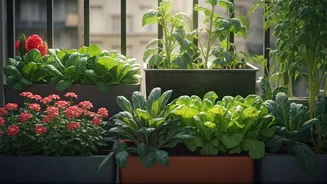
There's a deep-seated psychological reason for our collective obsession. It’s rooted in ‘biophilia’—our innate human tendency to connect with nature. In concrete jungles like Mumbai, Delhi, or Bengaluru, where green space is a luxury, bringing the outdoors in serves a vital purpose. The simple, repetitive act of watering, pruning, and checking for new leaves is a form of mindfulness. It pulls us away from our screens and into the present moment. This ritual offers a quiet, predictable rhythm in a world that feels increasingly chaotic. Watching a new leaf unfurl is a slow, hopeful miracle, a powerful antidote to the instant gratification and anxiety-inducing pace of digital life.
The New Aesthetic Currency
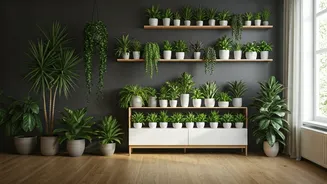
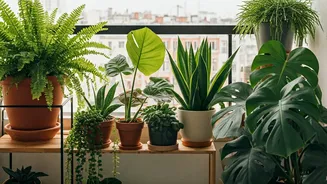
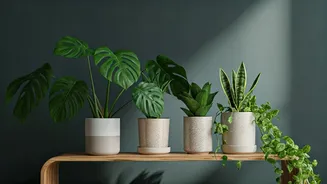
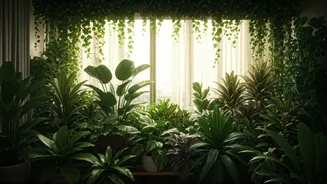
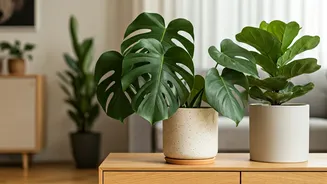
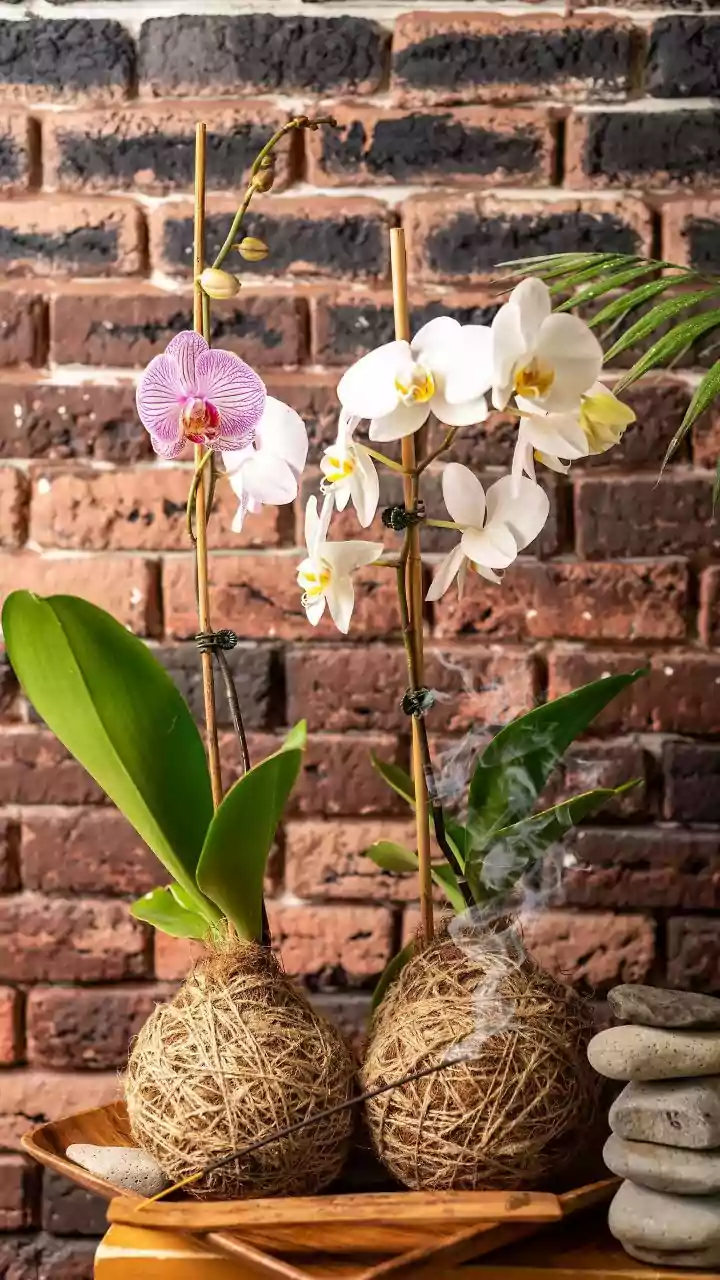
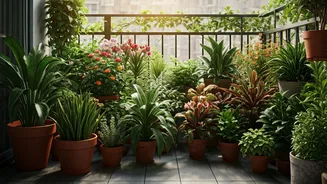
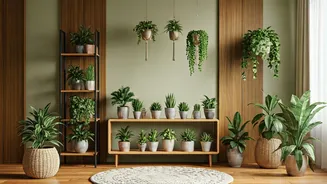
Let’s be honest: plants are also the ultimate home decor accessory. A well-placed snake plant or a cascading money plant doesn't just purify the air; it elevates the entire aesthetic of a room. In the age of Instagram and Pinterest, our homes are more public than ever. Plants have become a status symbol of a different kind—not one of wealth, but of taste, wellness, and nurturing ability. A ‘shelfie’ is incomplete without a touch of green. This aesthetic appeal has fuelled a booming online market, with specialised e-commerce sites and ‘plantfluencers’ guiding newcomers on how to create their own #UrbanJungle. It's a beautiful, living art form that says, ‘I have my life together enough to keep other living things alive.’
A Community of Carers
While plant care is often a solitary activity, it has fostered a surprisingly social and supportive community. New plant parents don't have to learn through trial and error. Facebook groups, WhatsApp chats, and local plant-swap meets are buzzing with activity. People freely share advice on everything from fighting mealybugs to the best soil mix for a calathea. This digital-to-physical community offers connection without the pressure of typical socialising. It’s a network built on a shared, wholesome passion, where strangers bond over the thrill of a successful propagation or the heartbreak of a drooping leaf. This sense of belonging is a major factor in keeping people engaged long-term.
Why the Growth Continues
The pandemic may have planted the seed, but the trend's deep roots in our psychological and social needs are why it continues to flourish. Flexible and remote work arrangements mean people are spending more time at home, investing more in their immediate environment. Furthermore, as millennials and Gen Z delay or opt out of traditional life stages like marriage and having children, the desire to nurture finds a new outlet. A plant doesn't require school fees or talk back, but it does need care, attention, and love to thrive. It offers a low-stakes, high-reward form of parenthood that fits perfectly into the modern urban lifestyle.