






The Great Protein Dilemma
In today's fitness-conscious world, the protein supplement tub has become a common sight in many Indian kitchens. From serious bodybuilders to casual gym-goers, the belief that more protein—especially from powders—is the fastest route to a stronger, leaner
body is widespread. This has created a confusing landscape for the average person. Are these supplements a necessary shortcut to good health, or is our traditional diet enough? The answer, according to India's leading health authorities, is clearer than you might think.
The Official Stance: ICMR-NIN Guidelines
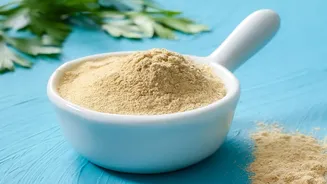
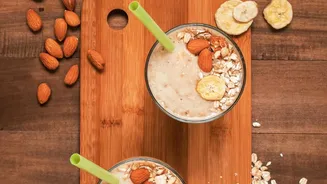
The Indian Council of Medical Research (ICMR) and the National Institute of Nutrition (NIN), in their comprehensive 'Dietary Guidelines for Indians' released in 2024, have taken a firm and clear position. Guideline number eight explicitly advises citizens to "obtain good quality proteins and essential amino acids through appropriate combination of foods and avoid protein supplements to build muscle mass". The apex health body warns against the regular use of protein powders, stating they are unnecessary for most people. Their primary concern is that these supplements often contain added sugars, artificial sweeteners, and other additives that can be detrimental to long-term health. Furthermore, some studies have linked the high concentration of branched-chain amino acids (BCAAs) in whey protein to a higher risk of non-communicable diseases.
How Much Protein Do You Really Need?
A common misconception is that our protein needs are incredibly high. The ICMR-NIN guidelines recommend a Recommended Dietary Allowance (RDA) of 0.83 grams of protein per kilogram of body weight for a healthy but sedentary adult. This means a person weighing 65 kg needs about 54 grams of protein daily—a target that is easily achievable through a balanced Indian diet. The guidelines note that this requirement can be met through whole foods alone, and protein intake above 1.6 g/kg per day does not lead to significant additional muscle gain for those in training.
The Power of Whole Foods
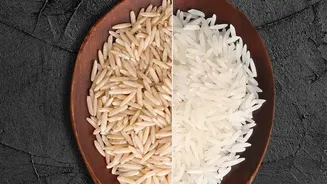
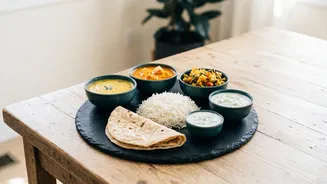
The ICMR's 'food first' approach is rooted in the simple fact that whole foods offer more than just protein. When you eat dal, paneer, eggs, chicken, or fish, you get high-quality protein packaged with essential vitamins, minerals, fibre, and other micronutrients that supplements lack. A well-balanced Indian meal, for instance, naturally combines different food groups to provide a complete amino acid profile. The ICMR suggests that combining cereals and pulses in a 3:1 ratio significantly improves the protein quality of a meal. Relying on supplements can lead to nutritional imbalances and potential health risks, such as strain on the kidneys and bone mineral loss over time, particularly with excessive intake.
Are Supplements Ever Necessary?
While the guidelines strongly discourage routine use, they acknowledge that supplements might have a limited role in specific, medically-advised situations. This could include individuals with certain health conditions that impair nutrient absorption, those recovering from major illness or surgery, or elite athletes with exceptionally high energy and protein demands. However, even for athletes, the ICMR states that their needs can typically be met through diet alone. For the vast majority of the population, including regular fitness enthusiasts, the message is to focus on food. Before considering any supplement, it is crucial to consult a qualified physician or registered dietitian.
Building a Protein-Rich Indian Diet
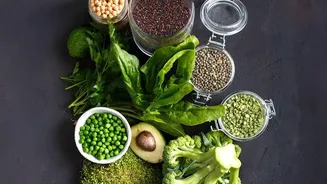
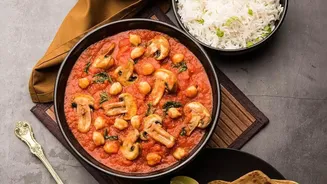
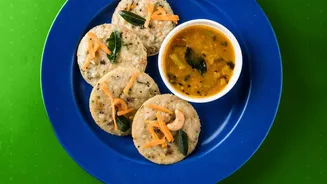
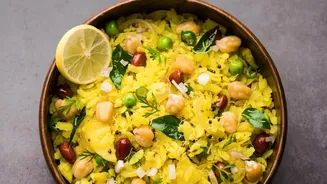
Meeting your daily protein goals with Indian food is both delicious and practical. The key is to consciously include a protein source in every meal. For vegetarians, options abound with dals, legumes like chickpeas and kidney beans, paneer, tofu, soya chunks, curd, and nuts. Non-vegetarians can include eggs, chicken, fish, and other lean meats. A sample day could include a breakfast of poha with peanuts, a lunch with dal, sabzi, and curd, and a dinner with paneer bhurji or chicken curry. This approach not only fulfills your protein requirements but also provides a symphony of other nutrients essential for overall well-being.