




Before You Leave: A Pre-Commute Check
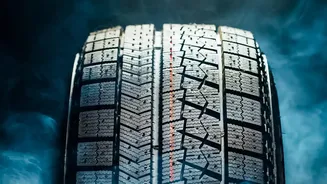
Preparation is the first line of defence against monsoon commuting hazards. Before you even step out, a few quick checks can make a significant difference. For car owners, this means ensuring your vehicle is rain-ready. Your tyres are your only contact
with slippery roads, so they must have adequate tread depth—at least 3mm is recommended for monsoon safety. Also, check your wiper blades; if they leave streaks or squeak, replace them. Good visibility is non-negotiable in a downpour. Finally, test your brakes, headlights, and tail lights. For two-wheeler riders, the checklist is similar: check tyre pressure, brake responsiveness, and ensure all lights are functional. Pedestrians should check the weather forecast and plan their route to avoid known waterlogging spots if possible.
For Drivers: Navigating Treacherous Roads
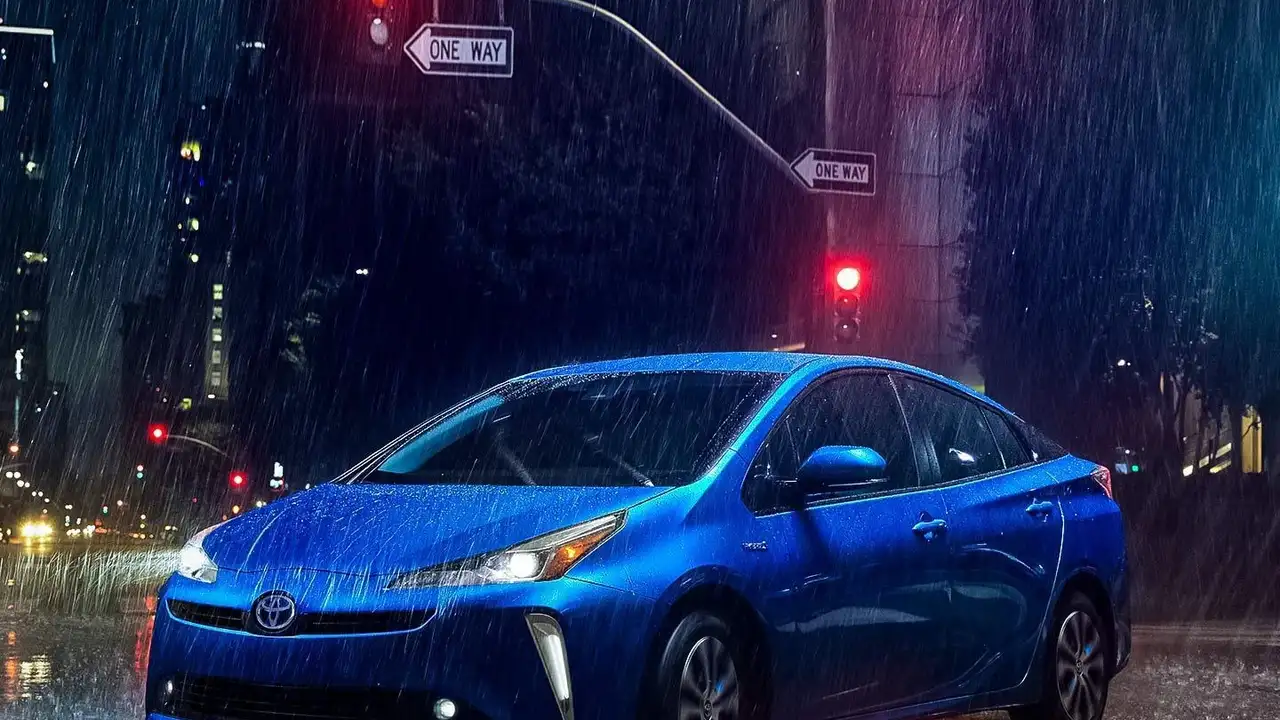
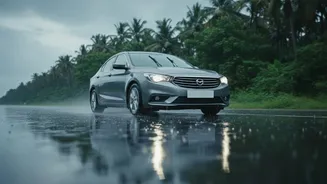
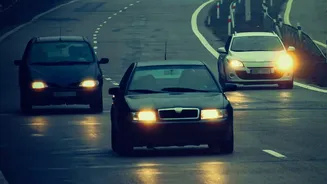
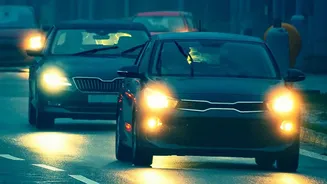
Once on the road, your driving style must adapt to the conditions. The most important rule is to slow down. Wet roads significantly increase braking distances, sometimes doubling or even tripling them. Maintain at least a four-second gap between you and the vehicle ahead. Turn on your low-beam headlights, even during the day, not just for you to see but for others to see you. Be extremely cautious of puddles and waterlogged stretches. You can't see hidden potholes, open manholes, or debris lurking beneath the surface. If you cannot judge the depth of the water, do not drive through it. Water deeper than your car's door sills can cause severe engine damage. Avoid sudden braking or sharp turns, as these manoeuvres can lead to skidding or hydroplaning, where your tyres lose contact with the road.
For Two-Wheeler Riders: The Most Vulnerable on Wheels
Riding a scooter or motorcycle in the rain requires heightened awareness. You are more exposed to the elements and less visible to larger vehicles. Invest in good-quality waterproof gear and a helmet with a clear, anti-fog visor. Reflective strips on your clothing or bike can dramatically improve your visibility to others. Like car drivers, reduce your speed and increase your following distance. Be gentle and progressive with your brakes, using both front and rear brakes together to avoid locking a wheel and skidding. Potholes and slippery road markings are major hazards. Try to anticipate road conditions and manoeuvre smoothly around obstacles. If you must cross a waterlogged patch, maintain a steady, low speed and try not to brake suddenly.
For Pedestrians and Public Transport Users
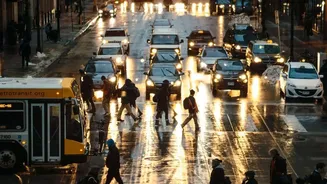
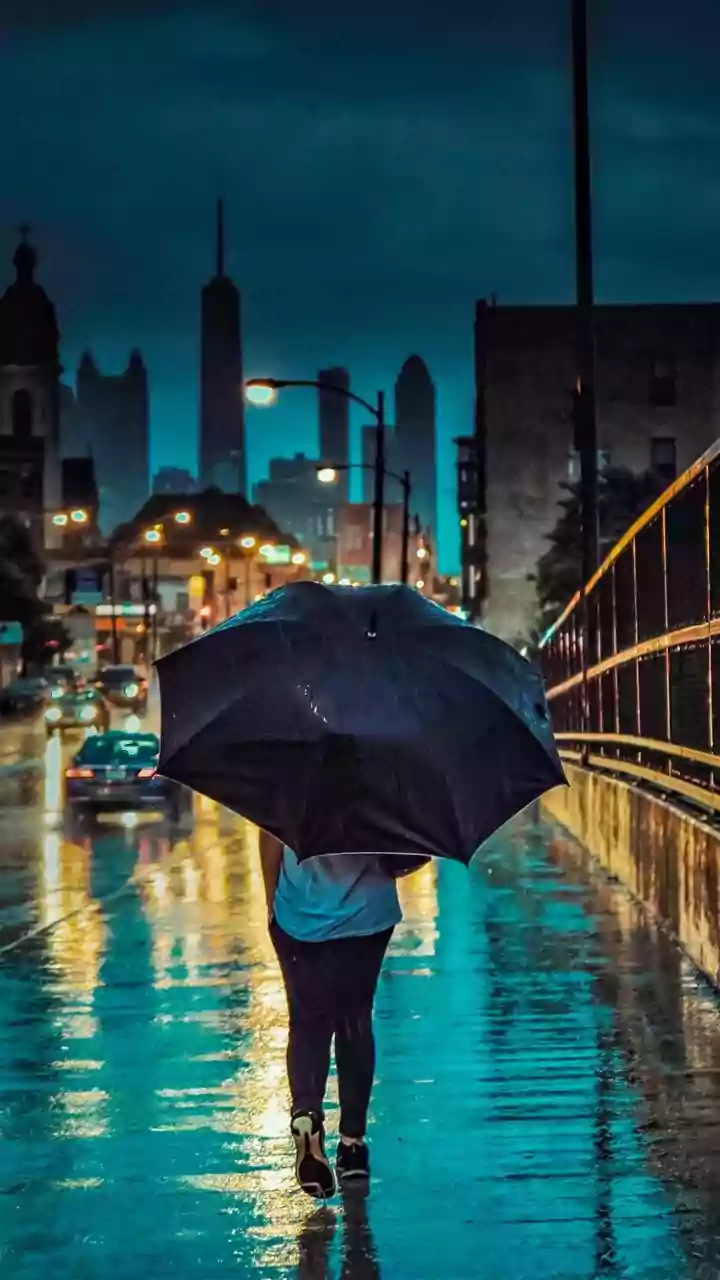
Even if you're not behind the wheel, commuting in the rain has its risks. Wet pavements and station platforms are incredibly slippery, so wear footwear with good grip. When walking, try to wear bright colours to make yourself more visible to drivers. Be wary of walking through floodwater; it can hide open drains, sharp objects, and even carry electrical currents from damaged wires. If you can't see the ground beneath the water, find another path. When using public transport like buses or local trains, be patient. Platforms and stairs will be crowded and slippery. Rushing to catch a departing train is dangerous; it's better to wait for the next one. Always keep your electronic gadgets in a waterproof bag or pouch.
A Shared Responsibility: Looking Out for Each Other
Rainy-day safety is a community effort. Drivers of all vehicles should be extra considerate of two-wheelers and pedestrians, who are far more vulnerable. Avoid splashing through puddles at speed, as this can drench and startle people on the roadside. Two-wheeler riders and pedestrians, in turn, should avoid making sudden movements, like darting across traffic. On public transport, a little consideration goes a long way. Helping someone who slips or offering a hand to an elderly passenger makes the journey safer for everyone. Check for travel advisories and train delays before you leave to avoid getting stranded. A fully charged phone and a power bank can be a lifesaver if your journey is unexpectedly extended.