






The Myth of Monsoon Watering
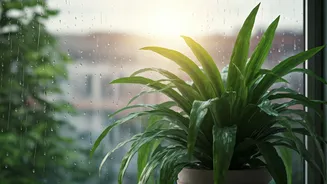
It’s a common assumption among plant parents: if it’s raining, the plants are taken care of. However, not all rain is created equal. A light drizzle or a short, intense downpour might only wet the top layer of soil, leaving the crucial root zone completely
dry. Dense foliage, like an umbrella, can prevent water from ever reaching the soil beneath. This is especially true for plants under the eaves of a house or beneath larger trees, which may remain parched even during a storm. Assuming the rain has done the job can lead to underwatering, leaving your plants thirsty despite the damp weather.
The Dangers of Too Much Water
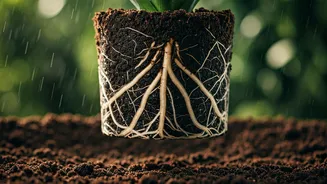
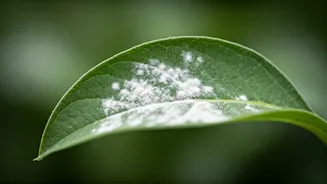
On the other hand, the rainy season poses a significant risk of overwatering, which is one of the most common ways people accidentally kill their plants. When soil becomes waterlogged, the air pockets that roots need to breathe are filled with water. This lack of oxygen can suffocate and kill the roots, leading to a condition called root rot. Signs of an overwatered plant are often confusingly similar to an underwatered one, including yellowing leaves and wilting. The constant moisture also creates a perfect breeding ground for fungal diseases and pests that thrive in damp conditions.
Your Best Tool: The Finger Test
So, how can you tell if your plants actually need water? The most reliable method is simple and free: the finger test. Insert your index finger about two inches into the soil near the base of the plant. If the soil at your fingertip feels dry and crumbly, it’s time to water. If it feels cool and moist, you can likely wait another day or two. This simple check bypasses all guesswork and tells you exactly what the conditions are like down at the root level, where it matters most. For a deeper check, you can also use a hand trowel to examine the soil a few inches down.
Container Plants Need Special Care
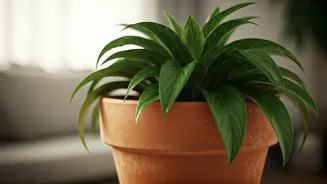
Plants in pots and hanging baskets have different needs than those planted in the ground. Their soil tends to dry out much faster because it's exposed to air from all sides. Furthermore, heavy rain can wash nutrients out of the potting mix more quickly, a process known as leaching. It's crucial to ensure your pots have excellent drainage holes to prevent them from becoming waterlogged. You can even elevate them on bricks or pot feet to help excess water escape. Never assume rain has watered your containers. Dense plants in a basket can shed water entirely, leaving the soil bone dry. Always check the soil moisture by hand or by lifting the pot; a well-watered pot will feel noticeably heavier.
Listen to Your Plants
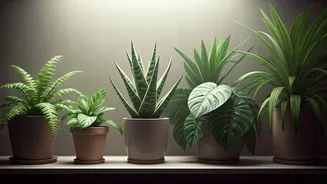
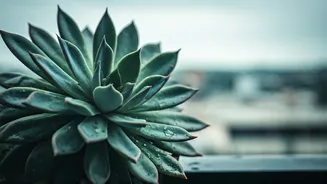
Ultimately, different plants have different needs. A water-loving fern has vastly different requirements than a drought-tolerant succulent, and those needs don't disappear during the rainy season. Young plants with shallow root systems will need more frequent attention than established shrubs with deep roots. Pay attention to the specific signs your plants give you. Wilting, discolored leaves, and stunted growth are all cries for help. Instead of relying on a rigid schedule or making assumptions based on the weather, get into the habit of observing your plants and checking the soil. This hands-on approach will make you a more intuitive and successful gardener.