
Growing tart, vibrant cranberries indoors is a rewarding project for any gardener. But success starts long before you plant, with a crucial choice: the container. The right pot is key to a thriving, fruitful plant.
Why Your Container Choice is Crucial
Cranberry plants are not like your typical
houseplant. Native to bogs and marshes, they have a unique set of demands that your container must meet. They insist on acidic soil, require consistently moist conditions without becoming waterlogged, and have a shallow, spreading root system. The container you choose is a miniature ecosystem, and getting it right is the first and most important step. An incorrect pot can lead to root rot, improper soil pH, or restricted growth, dooming your project from the start. In a container, you have complete control over these variables, which can be a significant advantage over trying to amend garden soil.
Size and Shape: Think Wide, Not Deep
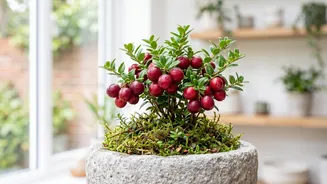
When it comes to cranberries, surface area is more important than depth. These plants spread via horizontal runners and feature a shallow root system that typically only occupies the top six inches of soil. Because of this, a wide container is far more beneficial than a tall, narrow one. Look for a pot that is at least 12 to 15 inches in diameter, or even wider if possible. A container that is about a foot deep is adequate. This wide, shallow shape gives the runners room to spread out and establish themselves, which is key to a healthy plant and a good fruit yield. Long trough-style planters or window boxes are also excellent choices, as they perfectly accommodate the plant's natural spreading habit.
The Material Question: Plastic, Ceramic, or Fabric?
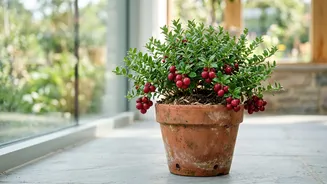
The material of your pot plays a significant role in moisture retention and soil stability. While porous materials like unglazed terracotta are breathable, they can dry out too quickly for moisture-loving cranberries. Plastic or glazed ceramic pots are often better choices as they help retain the consistent moisture cranberries need. Lightweight plastic or resin pots have the added benefit of being easy to move, allowing you to chase the six-plus hours of daily sun the plants require. Self-watering containers, which use a reservoir to constantly wick moisture into the soil, are an excellent option for maintaining ideal conditions without risking overwatering. Whatever material you select, it is essential that it has adequate drainage holes at the bottom to allow excess water to escape and prevent root rot.
The Foundation: Soil and Drainage
Even the perfect pot will fail without the right growing medium. Cranberries are ericaceous, meaning they demand acidic soil with a pH between 4.0 and 5.5. Never use standard garden soil, which is too dense and has the wrong pH. Instead, fill your container with a potting mix specifically formulated for acid-loving plants, like those for azaleas or rhododendrons. Pure peat moss is also a good base. To improve aeration and prevent the soil from becoming compacted and waterlogged, mix in some sand or perlite. Though they love water, their roots need oxygen to survive. Some gardeners also suggest adding a layer of sand on top of the soil to help retain moisture and deter weeds.