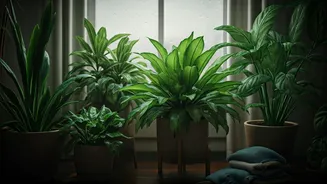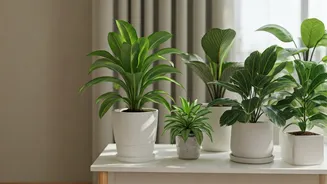





More Than Just Decoration
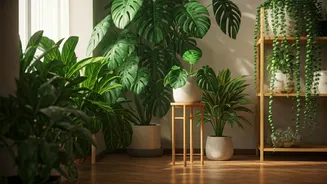
Before we get to the specific plants, it's worth noting why greenery is so beneficial during dreary weather. Indoor plants are known to improve well-being by reducing stress and boosting your mood. Studies have shown that being around plants can lower
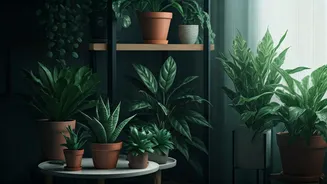
levels of the stress hormone cortisol, making you feel more calm and relaxed. Beyond the psychological benefits, many houseplants are also excellent air purifiers. Research has found that certain plants can absorb common indoor toxins and release fresh oxygen, creating a healthier living environment. During seasons when we keep windows closed more often, this natural air filtration is a significant plus.
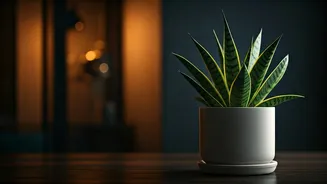
The Snake Plant (Sansevieria)
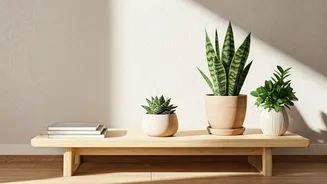
Often called 'mother-in-law's tongue', the Snake Plant is one of the most resilient indoor plants you can find. It's perfect for beginners and thrives even with neglect. Its striking, sword-like leaves stand tall and can tolerate very low light conditions, making it ideal for corners of a room far from any window. The Snake Plant is also an excellent air purifier that famously releases oxygen at night, making it a great choice for bedrooms. It is extremely drought-tolerant and requires minimal watering; in fact, overwatering is one of the few ways to harm it. Simply let the soil dry out completely between waterings.
The ZZ Plant (Zamioculcas Zamiifolia)
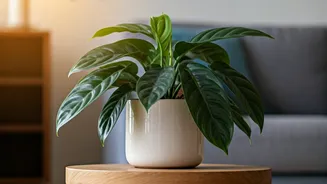
If you're looking for a plant that is nearly indestructible, the ZZ Plant is your answer. Known for its wide, waxy, dark green leaves, it reflects light beautifully and adds a touch of lushness to even the dimmest spaces. It is exceptionally tolerant of low light and irregular watering routines, storing water in its underground rhizomes. This makes it perfect for busy people or those new to plant care. Its glossy foliage can brighten up a forgotten corner in your home or office with minimal effort. Like the snake plant, it prefers its soil to dry out, so you may only need to water it once a month.
The Money Plant (Epipremnum aureum)
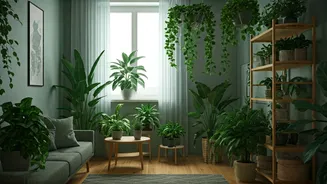
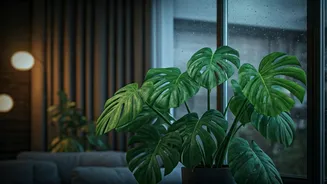
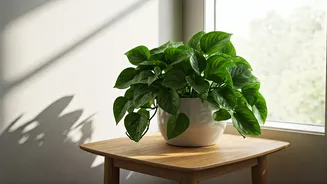
A staple in many Indian homes, the Money Plant, or Pothos, is beloved for its heart-shaped leaves and fast-growing vines. It's incredibly adaptable and can thrive in a range of light conditions, including low light. While its variegation might be less pronounced in dimmer spots, it will still grow happily. Money Plants are versatile; you can let them trail down from a shelf, place them in a hanging basket, or even grow them in a simple jar of water. They are easy to propagate and known for their air-purifying qualities, making them a rewarding and popular choice.
The Peace Lily (Spathiphyllum)
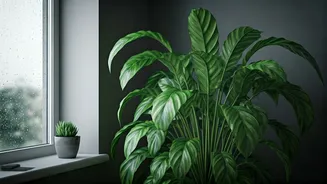
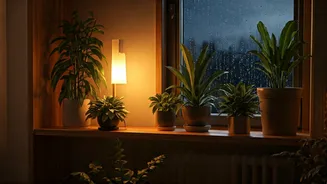
For those who want a touch of elegance and the occasional flower, the Peace Lily is an excellent option. It is one of the few plants that can produce its signature white, hooded flowers in lower light conditions. Its glossy, dark green leaves provide a beautiful contrast to the blooms. Peace Lilies are also great communicators; they will visibly droop when they need water, perking right back up after a drink. This removes much of the guesswork from watering. They are also powerful air purifiers, known for filtering various toxins from the air. They prefer consistently moist, but not waterlogged, soil.
General Care for Your Low-Light Crew
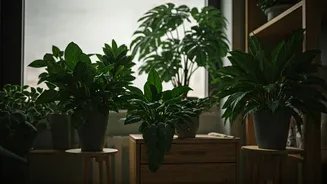
While these plants are famously low-maintenance, a few tips will ensure they stay healthy. First, low light does not mean no light; they still need some indirect sunlight to survive. The biggest mistake is overwatering. Since they grow more slowly in low light, they use less water. Always check if the top inch or two of soil is dry before watering again. It's also a good idea to occasionally wipe the leaves with a damp cloth to remove dust, which helps the plant absorb the limited light more efficiently. Finally, rotate your plants every few weeks so that all sides get some exposure to the light source.