
The New Heat on the Menu
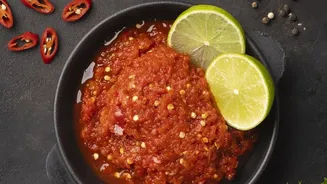
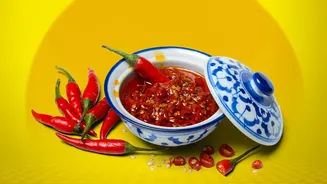
Look closely at the menus of some of India's most innovative urban cafés, from Delhi to Mumbai, and you might spot an ingredient that comes with a warning: Bhut Jolokia. Once holding the Guinness World Record for the world's hottest chilli, this potent
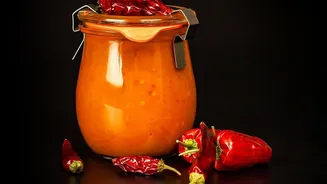
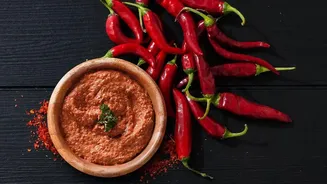
pepper, also known as the ghost pepper, is making its way into everything from fiery chicken wings and steaks to daring dips and even cocktails. This isn't just about chasing extreme heat; it's a deliberate move by chefs to explore the untapped potential of India's vast regional pantry. They are discovering that these ingredients, once confined to home kitchens in Nagaland, Assam, and Manipur, offer a new spectrum of flavours that can electrify modern, fusion dishes.
More Than Just a Ghost Pepper
The Bhut Jolokia is legendary for its slow-building, scorching heat, which can be over 400 times hotter than Tabasco sauce. But to reduce it to mere spiciness would be to miss the point. Before the intense burn kicks in, the pepper offers a surprisingly complex flavour profile that is fruity, slightly sweet, and distinctly smoky. This unique taste is what makes it so versatile in a fusion setting. Chefs are using it not as a gimmick, but as a flavour enhancer, adding a smoky depth to marinades or a sweet, lingering heat to a carefully balanced sauce. Its intimidating reputation is giving way to a more nuanced appreciation for its culinary character, moving it from a dare to a delicacy.
Embracing the Funk of Fermentation
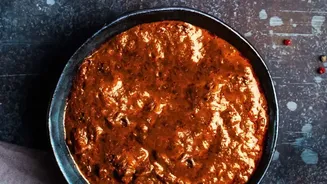
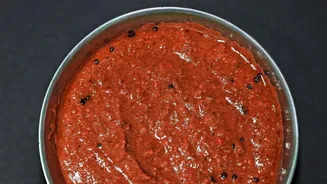
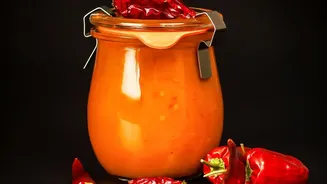
Alongside the Bhut Jolokia, another star is rising from the Northeast: fermented pastes. Ingredients like Axone (pronounced 'akhuni'), a fermented soybean product from Nagaland, are introducing urban palates to the power of umami. With a pungent aroma and a deep, savoury taste, Axone has long been a cornerstone of Naga cuisine, traditionally used in pork and fish curries. Similarly, fermented bamboo shoots like 'khorisa' from Assam and 'soibum' from Manipur offer a tangy, complex sourness that can cut through rich dishes. In café kitchens, these pastes are being used as secret weapons. A small amount can transform a stew, a sauce, or a chutney, providing a depth of flavour that is both ancient and thrillingly new.
A Culinary Bridge Between Regions
So why is this happening now? The trend reflects a broader shift in India’s food culture. There's a growing curiosity about regional cuisines and a desire to celebrate ingredients that tell a story. For years, Northeast Indian food was often misunderstood or overlooked in the mainstream, sometimes due to its pungent and unfamiliar aromas. Today, a new generation of chefs and diners, exposed to global food trends like fermentation through Korean kimchi or Japanese miso, are more open and adventurous. Social media has also played a role, creating intrigue and demystifying these ingredients for a wider audience. Chefs from the Northeast are now proudly showcasing their heritage in modern formats, challenging old stereotypes and finding an eager audience.
Fusion in Action: What's on the Plate
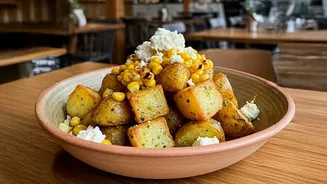
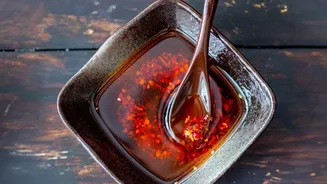
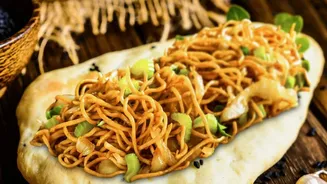
The application of these ingredients in fusion cafés is creative and approachable. You might find a Bhut Jolokia-infused honey drizzled over a pizza or a creamy dip served with fries that has a ghost pepper kick. Fermented soybean paste is being reimagined beyond traditional curries; chefs are using it to create complex vinaigrettes for salads, rich spice rubs for grilled meats, or even adding it to a hearty bowl of ramen for an Indian-inspired umami boost. These dishes serve as a perfect introduction, easing diners into unfamiliar flavour territories by pairing them with familiar formats. It’s a delicious and accessible way to explore the rich biodiversity of India’s culinary landscape.