






1. Inspect Your Roof and Walls
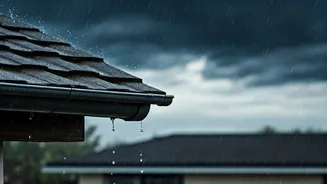
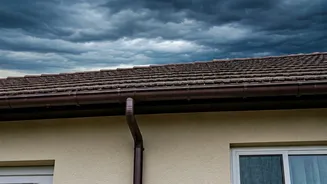
Your home's first line of defence against the rain is its roof and exterior. Before the downpours begin, take a thorough walk around your property. Look for any visible cracks on the terrace, roof, or external walls. These small fissures can widen and allow
water to seep in, leading to damp patches, peeling paint, and mould growth. If you spot any cracks, have them filled immediately with a suitable sealant. Applying a fresh coat of waterproof paint or a waterproofing solution to your roof and outer walls provides an excellent protective barrier. This simple step can prevent the long-term structural damage that persistent water seepage can cause.
2. Clear Drains and Gutters
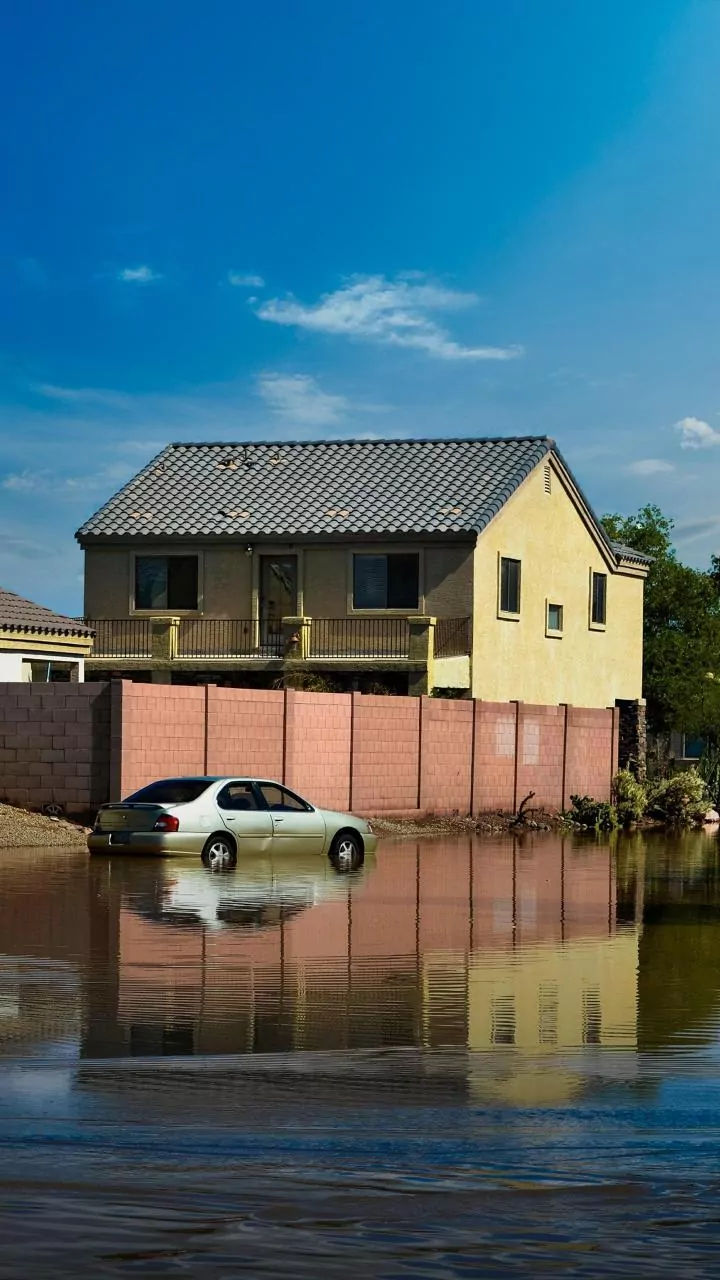
This is one of the most critical and often overlooked tasks. Over the dry months, leaves, dust, and other debris accumulate in drains, gutters, and drainpipes. Once the heavy rains start, these blockages will prevent water from flowing away from your home. The result? Waterlogging on your terrace, in your balcony, or around your building's foundation. Stagnant water not only damages the structure but also becomes a breeding ground for mosquitoes. Use a sturdy brush or hire a professional to clear all drainage outlets. Ensure that rainwater harvesting pipes, if you have them, are also clean and ready for use.
3. Seal Doors and Windows
Gaps around your window frames and doors are an open invitation for rainwater, especially during windy storms. Inspect all wooden doors and windows, which tend to swell in the humid monsoon weather, making them difficult to shut. A fresh coat of paint or varnish can help seal the wood and prevent it from absorbing moisture. For metal frames, check for rust and seal any gaps with silicone sealant. This not only keeps the water out but also helps maintain the temperature inside your home and keeps insects at bay.
4. Prioritise Electrical Safety
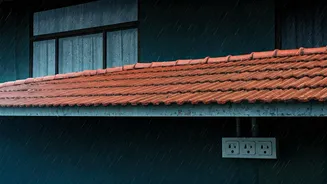
Water and electricity are a deadly combination. High humidity and dampness can increase the risk of short circuits and electrical shocks. It is crucial to have a qualified electrician inspect your home’s wiring before the monsoon. Check for any frayed wires, loose connections, or cracked insulation, especially on external fittings like doorbells or outdoor lights. Ensure your main switchboard is protected from rainwater. It’s also wise to have an Earth Leakage Circuit Breaker (ELCB) or Residual Current Circuit Breaker (RCCB) installed, as it can automatically cut off the power supply in case of a leakage, preventing a major accident.
5. Trim Overhanging Trees
If you have large trees or heavy branches near your home, get them trimmed. Strong monsoon winds can cause weak branches to break and fall on your roof, windows, or power lines, leading to significant damage and potential power outages. Clearing away overgrown vegetation also improves airflow and allows your home’s exterior to dry faster after a shower, reducing problems related to dampness. Be sure to check with your local municipal authority about any rules regarding tree trimming before you proceed.
6. Prepare an Emergency Kit
Power cuts are common during heavy rains. Prepare an emergency kit so you aren’t left in the dark. This kit should include essentials like torches with extra batteries, a power bank for your mobile phone, candles, and a lighter. It’s also a good idea to have a stock of basic medicines, a first-aid kit, and some non-perishable food items like biscuits and instant noodles, just in case you are unable to step out for a day or two due to severe waterlogging in your area.
7. Keep Pests at Bay
The monsoon is peak season for pests like termites, cockroaches, and rodents, who seek shelter from the rain in dry homes. Before the season starts, get professional pest control done. Seal any cracks or holes in walls and floors where they might enter. Keep your kitchen and waste bins clean, as leftover food attracts unwanted guests. Using naphthalene balls in cupboards and storage spaces can also help deter insects and prevent your clothes from getting a musty smell.