







More Than a Matter of Taste
For years, we’ve chalked up food preferences to culture, habit, or simple personal choice. But a growing body of research, including large-scale genomic studies involving thousands of individuals, is painting a much more complex picture. The way we perceive
flavors, especially bitterness, is deeply rooted in our biology. This isn't just about whether you enjoy a hoppy beer or a grapefruit for breakfast; it's about a genetic inheritance that has been shaping human survival for thousands of years. Early humans developed a sensitivity to bitterness as a defense mechanism, helping them detect and avoid potentially poisonous plants. While that danger has largely subsided in the modern food supply, the genes responsible for that sensitivity remain, quietly influencing our daily dietary decisions and, as scientists are now discovering, our overall health.
The Genetic Lottery of Flavor
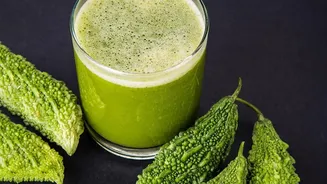
At the heart of this research is a specific taste gene called TAS2R38. We all inherit two copies of this gene, but which versions you get determines how intensely you perceive certain bitter compounds. Individuals with two copies of the 'taster' variant (PAV) are known as 'supertasters.' To them, the compounds in foods like broccoli, kale, Brussels sprouts, and even dark chocolate can be overwhelmingly bitter. On the other end of the spectrum are 'non-tasters,' who have two copies of the 'non-taster' variant (AVI). They perceive little to no bitterness in these same foods. Most people fall somewhere in the middle, with one copy of each variant. This genetic lottery explains why a vegetable one person finds delicious, another finds nearly inedible. It’s not a matter of willpower; it’s a fundamental difference in sensory perception programmed into their cells.
Connecting Taste to Broader Health
The implications of these genetic differences extend far beyond the dinner plate. By analyzing data from massive studies like the UK Biobank, researchers have found surprising correlations between the TAS2R38 gene and various health conditions. For example, some studies suggest supertasters, who are genetically inclined to avoid many bitter vegetables, might miss out on essential nutrients and fibre, potentially increasing their risk for certain health issues. On the other hand, their sensitivity might also lead them to avoid alcohol and smoking. Research has linked variants of this gene to kidney function and even an increased likelihood of bipolar disorder, though the reasons for the latter are still unclear. This demonstrates that our sense of taste is not an isolated system; it's integrated with our body's broader regulatory networks, influencing everything from nutrient intake to disease risk.
What This Means for Your Plate
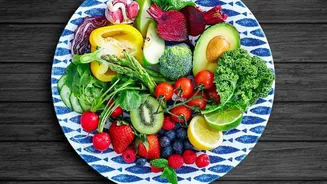
This wave of research is paving the way for a more personalized approach to nutrition. Understanding your genetic predispositions can help you make more informed choices. If you're a supertaster who struggles with greens, it doesn't mean you're doomed to an unhealthy diet. Instead of forcing yourself to eat vegetables you find intensely bitter, you can explore other nutrient-rich foods that don't trigger that same genetic response. For instance, some supertasters may find roasted or spiced vegetables more palatable, as cooking methods and seasonings can alter flavor profiles. Recognizing that these preferences are biological can also foster more empathy for so-called 'picky eaters.' Rather than a behavioral flaw, their aversion to certain foods may be a genuine, hardwired sensory experience. While genes play a significant role, they are not destiny; environment, exposure, and personal experience still shape our eating habits over time.