


The Modern Pulse of Masula Beach
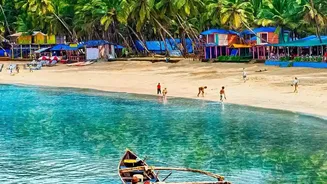
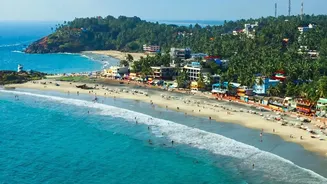
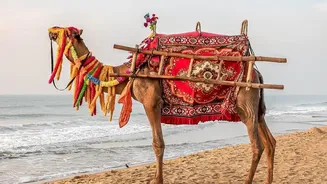
Held on the shores of Manginapudi Beach near Machilipatnam, the Masula Beach Festival is a vibrant celebration of coastal life designed to attract tourists and locals alike. Organised by Andhra Pradesh Tourism, the event is a sensory overload in the best
way possible. The air is filled with the sounds of live music, the excitement of beach kabaddi, and the thrill of water sports like kayaking and parasailing. It's an event buzzing with youthful energy, drawing crowds with its promise of entertainment, food, and adventure. This modern, high-energy environment is precisely what makes it an unexpected but perfect venue for something much older and quieter.
An Ancient Art Woven into the Land
Just a few kilometres from the festival grounds lies the heart of a rich artistic legacy: Machilipatnam Kalamkari. This ancient art of block-printing and hand-painting on textiles has roots in the region going back centuries. The name itself, derived from Persian words 'kalam' (pen) and 'kari' (craftsmanship), hints at its storied past. Machilipatnam, a historic port town, was a hub for textile trade, and its style of Kalamkari was influenced by Persian motifs, creating a unique fusion of designs like the iconic 'tree of life'. Unlike the purely hand-drawn Srikalahasti style, Machilipatnam Kalamkari uses intricately carved wooden blocks to print patterns with natural dyes, a process that earned it a Geographical Indication (GI) tag.
Bridging Generations Through Experience
For many younger travellers, traditional art can feel confined to museums or history books—respected, but not necessarily engaging. This is where the festival can act as a dynamic bridge. Recent travel trends show that younger Indians are increasingly seeking authentic cultural experiences, not just passive sightseeing. They want to connect and learn. Integrating Kalamkari into the festival through interactive workshops, live demonstrations by artisans, and curated textile displays offers a hands-on way to experience heritage. It transforms the art from a static exhibit into a living, breathing practice. Instead of just seeing a finished product, a visitor could try their hand at block printing or talk to an artisan about the meaning behind the motifs. This creates a memorable, personal connection that a museum visit rarely can.
A Blueprint for Cultural Revival
The successful fusion of a modern festival with ancient craftsmanship is more than just a good travel opportunity; it’s a blueprint for sustainable cultural preservation. By giving artisans a direct platform to a new and economically empowered audience, such events create vital income streams and foster pride in their heritage. This model helps ensure that traditional skills are passed down to the next generation not just as a duty, but as a viable and respected profession. When a young traveller buys a piece of Kalamkari directly from the person who made it, they're not just acquiring a souvenir; they're participating in the continuation of a legacy. It demonstrates that heritage and modernity don't have to be in conflict; they can, in fact, enrich each other, creating deeper, more meaningful experiences for travellers and tangible benefits for local communities.