

The Cooling Heart of Indian Cuisine
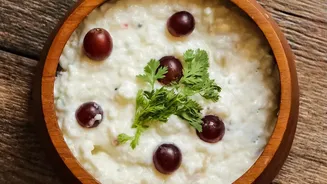
Known as dahi, curd is a staple in Indian households, revered for its probiotic qualities and its ability to soothe the palate. It serves as a cooling counterpoint to the nation's famously robust and spicy flavours. Yoghurt's primary function in many
meals is to temper the heat of chillies. The capsaicin in chillies, which causes the burning sensation, doesn't dissolve in water, but dairy products like curd can lift it off the tongue, providing genuine relief. This makes it an indispensable part of any thali or feast, bringing balance and harmony to a plate filled with diverse tastes and textures.
Raitas: The Essential Side Dish
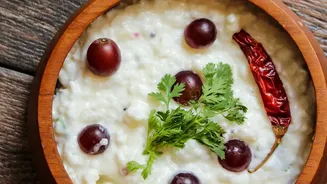
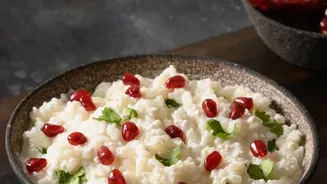
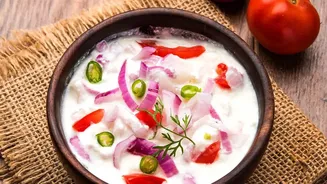
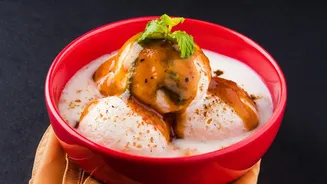
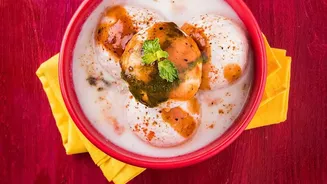
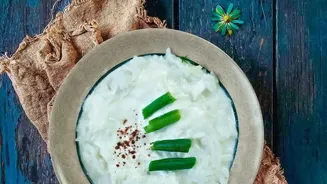
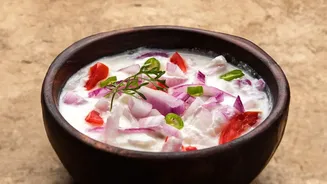
The most well-known application of curd is raita, a simple side dish made by whisking yoghurt and combining it with vegetables, fruits, and spices. It's a fixture alongside spicy dishes like biryani, pulao, and various curries. Common varieties include cucumber (kheera) raita, which is exceptionally cooling, and boondi raita, which features small, crispy fried balls of chickpea flour for a delightful crunch. Other popular versions are made with onion, tomato, mint, or pineapple. The key to a good raita is using thick, fresh curd and adding salt just before serving to prevent the vegetables from releasing water and making the raita thin.
Dahi Chutney: A Creamy, Tangy Condiment
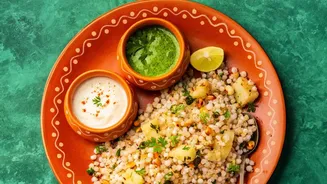
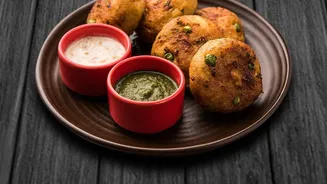
While often confused with raita, dahi chutney is a distinct preparation. It's typically a thicker, creamier condiment where herbs and spices are blended into a paste before being mixed with yoghurt. A classic example is the mint and coriander dahi chutney, often served in restaurants with kebabs and tikkas. This dip combines fresh herbs, green chillies, and sometimes garlic and ginger, which are ground and then folded into beaten curd, often hung curd (strained yoghurt) for a richer texture. The result is a vibrant, tangy, and refreshing dip that's more concentrated in flavour than a typical raita.
Pachadi: The South Indian Counterpart
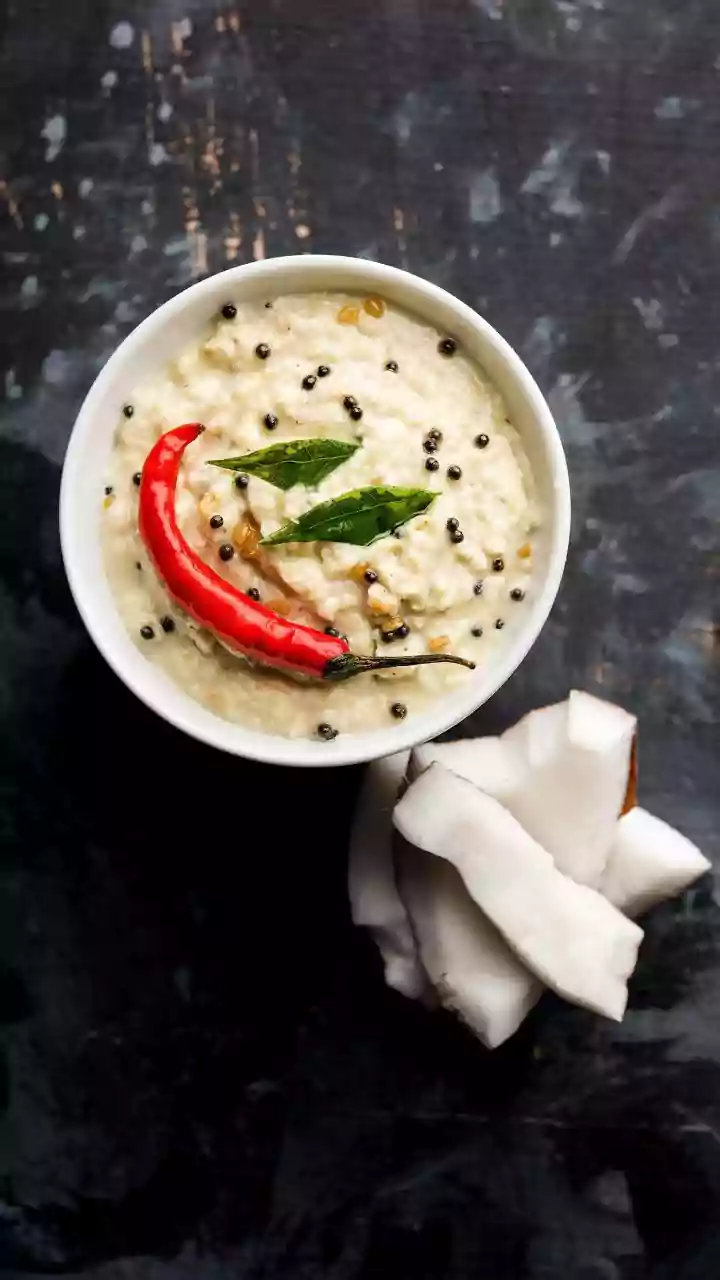
In South India, the equivalent of raita is often called pachadi. While the terms are sometimes used interchangeably, pachadis have their own unique characteristics. A key difference is that pachadis often feature a tempering (tadka) of mustard seeds, curry leaves, and dried red chillies sizzled in oil. Furthermore, many pachadi recipes involve cooking the vegetables and adding a ground coconut paste, which is less common in North Indian raitas. This results in a dish with a more complex flavour profile, ranging from sweet and sour pineapple pachadi to savoury cucumber pachadi.
Beyond Sides: Curd in Main Courses
Curd's role extends far beyond being a side dish; it's also the star of many main courses. Kadhi is a prime example—a beloved, comforting curry made from a base of sour curd and gram flour (besan), simmered until it thickens. Different regions have their own versions: Punjabi kadhi often includes fried vegetable fritters (pakoras), while Gujarati kadhi is known for its thinner consistency and distinct sweet and sour taste. Other curd-based curries include Dahi Aloo (potatoes in a yoghurt gravy) and dishes where curd is used as a souring agent and thickener, creating a rich, tangy sauce that pairs beautifully with rice or roti.
The Secret to Tender Marinades
Beyond its use in liquid dishes, curd is a fundamental component of marinades in Indian cooking, especially for tandoori preparations like chicken tikka and paneer tikka. The lactic acid in the yoghurt acts as a natural and gentle tenderizer for meat, breaking down proteins without making the texture mushy. It also helps the spices adhere to the surface, ensuring a deep and even flavour penetration. When cooked at high heat in a tandoor, the yoghurt helps to form a delicious, lightly charred crust while keeping the inside moist and succulent.