




What is Finger Millet Ambali?
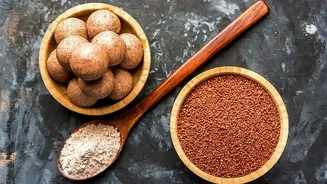
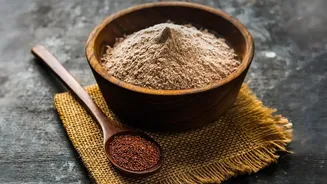
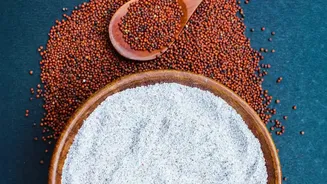
Ambali, also known as Ragi Ambali or Ragi Java, is a traditional South Indian beverage with a history stretching back thousands of years. At its core, it's a simple, nourishing porridge or gruel made from finger millet (ragi) flour. The process involves
cooking the ragi flour into a paste, which is then often shaped into balls and left to ferment overnight in water. This crucial fermentation step is what gives the drink its signature, slightly tangy taste and, more importantly, its powerful health benefits. Traditionally served either sweet with jaggery or savoury with buttermilk, salt, and spices like green chilli and ginger, it's a versatile drink that can be adapted to different tastes.
A Probiotic Powerhouse for Gut Health
The secret to Ambali's modern-day appeal lies in one word: fermentation. The overnight fermenting process transforms the simple millet porridge into a rich source of natural probiotics, the beneficial bacteria essential for a healthy digestive system. This process cultivates live cultures like Lactobacillus, similar to those found in yoghurt, which help nourish the gut microbiome, improve digestion, and can even reduce inflammation. Furthermore, fermentation significantly reduces the phytic acid naturally present in ragi. This is important because phytic acid can block the absorption of key minerals. By breaking it down, fermentation makes the abundant calcium and iron in finger millet much more available for the body to use.
From Farmer's Fuel to Urban Elixir
For generations, Ambali was the go-to sustenance for farmers and labourers in states like Karnataka, Andhra Pradesh, and Telangana. Consumed at dawn, its slow-releasing energy, hydrating properties, and natural cooling effect made it the perfect fuel for a long day of physical work, especially during hot summer months. Its resurgence today is driven by a broader shift in wellness culture. As urban consumers become more interested in gut health, traditional foods, and nutrient-dense ingredients, ancient recipes like Ambali are being rediscovered. The global spotlight on millets, celebrated for their health benefits and climate resilience, has also helped propel this humble drink from rural kitchens into the premium wellness market.
The Modern Cafe Makeover
While the soul of Ambali remains traditional, its presentation in city cafes is getting a contemporary upgrade. Forget simple steel tumblers; today, you might find Ambali served in a chilled cocktail glass, garnished with fresh herbs, or infused with new flavours. This modern facelift makes the drink more approachable and visually appealing to a younger, health-conscious audience that values both authenticity and aesthetics. This trend is part of a larger movement that has seen other traditional Indian drinks like Sol Kadhi and Kanji find new life on cafe menus. It represents a fusion of ancient nutritional wisdom with modern lifestyle trends, celebrating India's rich culinary heritage in a format that resonates with today's consumers.