




Why Winter Makes Your Skin Vulnerable
Cold winter air holds less moisture, and indoor heating systems make the air even drier. This combination relentlessly pulls moisture from your skin, weakening its natural protective barrier. This barrier, made of natural oils and lipids, is responsible
for locking in hydration and keeping irritants out. When it's compromised, your skin becomes prone to dryness, flakiness, redness, and increased sensitivity. Signs of a stressed skin barrier include feelings of tightness, products suddenly stinging upon application, and rough patches that won't go away.
The Hidden Problems with Fruit Peels
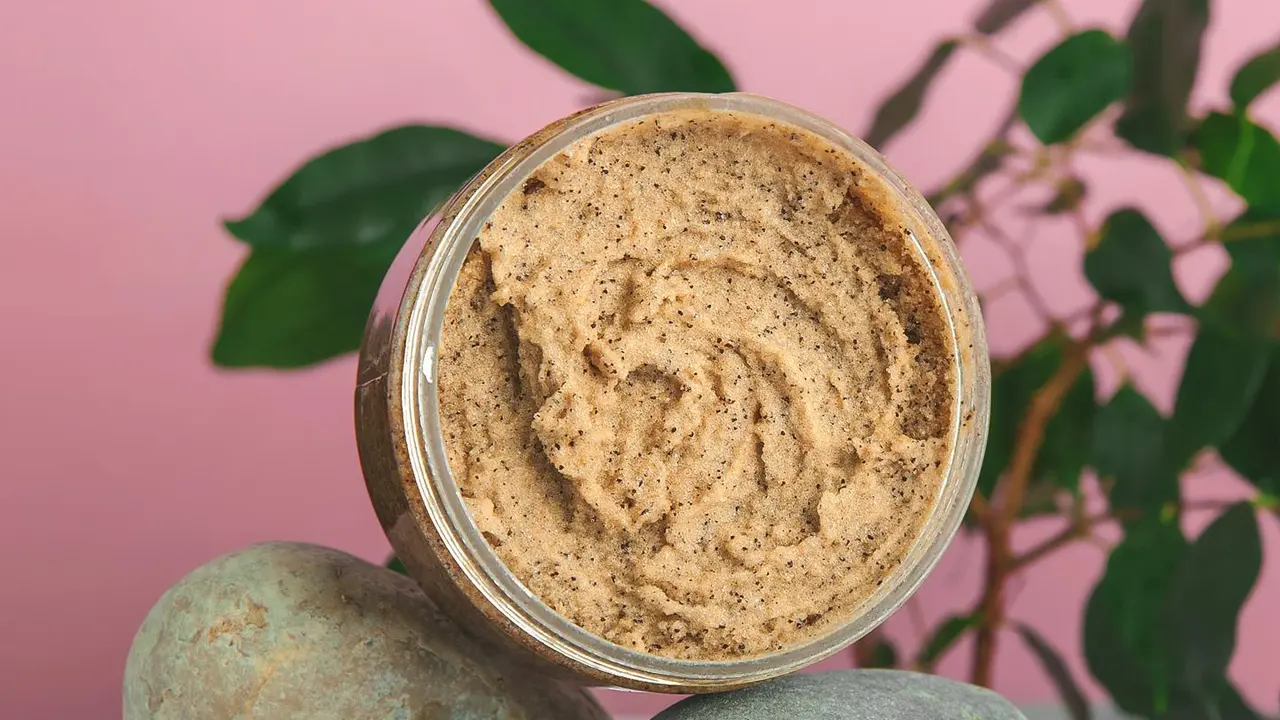
While fruit peels contain beneficial antioxidants, applying them directly to your face as a scrub is risky. Citrus peels from fruits like lemons and oranges are highly acidic. This can disrupt your skin's natural pH balance, stripping away protective oils and leading to irritation—a problem made worse when your skin barrier is already weakened by cold weather. Furthermore, the rough, uneven texture of a peel can be too abrasive, creating micro-tears in the skin's surface. This physical damage invites inflammation and can worsen sensitivity. Another concern is photosensitivity; acids in citrus peels can make your skin more susceptible to sun damage. Finally, non-organic fruit peels may carry pesticide residues that are not easily washed off and are not meant for direct, prolonged skin contact.
Recognising the Signs of Irritation
If you've been using a DIY fruit peel scrub, it's important to watch for signs of a negative reaction. Immediate signs include redness, stinging, or a burning sensation during or after use. In the following days, you might notice persistent dryness, flaking, unusual patchiness, or even small breakouts. If your skin feels tight, itchy, or more reactive to your usual skincare products, it's a strong signal that the scrub has compromised your skin's barrier. Continuing to use the scrub will only exacerbate these issues, potentially leading to longer-term sensitivity and inflammation.
Safer Ways to Exfoliate in Winter
Exfoliation is still important in winter to slough away dead cells and allow moisturisers to penetrate more effectively. The key is to be gentle. Instead of harsh physical scrubs, dermatologists often recommend chemical exfoliants for sensitive winter skin. Products containing mild alpha-hydroxy acids (AHAs) like lactic acid or mandelic acid are excellent choices because they exfoliate while also helping the skin retain moisture. Enzyme exfoliants, derived from fruits like papaya and pineapple in a controlled formulation, are another gentle option that dissolves dead skin cells without scrubbing. If you prefer a physical scrub, opt for products with fine, uniform particles like jojoba beads or finely milled oat or rice powder, and limit use to once a week.
Protecting Your Skin Barrier All Season
Beyond gentle exfoliation, protecting your skin barrier is your best defence against winter skin woes. Switch to a creamy, hydrating cleanser that doesn't leave your skin feeling stripped or 'squeaky clean'. Immediately after washing, while your skin is still damp, apply a rich moisturiser to lock in hydration. Look for ingredients like ceramides and hyaluronic acid, which help repair and maintain the skin's barrier. Finally, don't skip sunscreen. Exfoliated skin is more vulnerable to UV rays, which are present even on cloudy winter days and can further compromise your skin's health.